There are still places on Earth where nature remains completely in control. Malaysian Borneo is one of them. In the eastern state of Sabah lies one of the oldest tropical rainforests on the planet—a vast green wilderness that shelters an extraordinary diversity of life and offers unforgettable encounters with some of Southeast Asia's most iconic wildlife.
My journey unfolded across three remarkable destinations: Sepilok, the Kinabatangan River, and the Danum Valley. Each offers a very different experience, yet they all share one defining feature: total immersion in one of the world's last great rainforests.
Sepilok: The Gateway to the Rainforest
For many wildlife enthusiasts, Sepilok is the perfect introduction to Borneo. Surrounded by regenerating rainforest teeming with wildlife, it provides an ideal starting point for understanding the island's unique ecosystems.
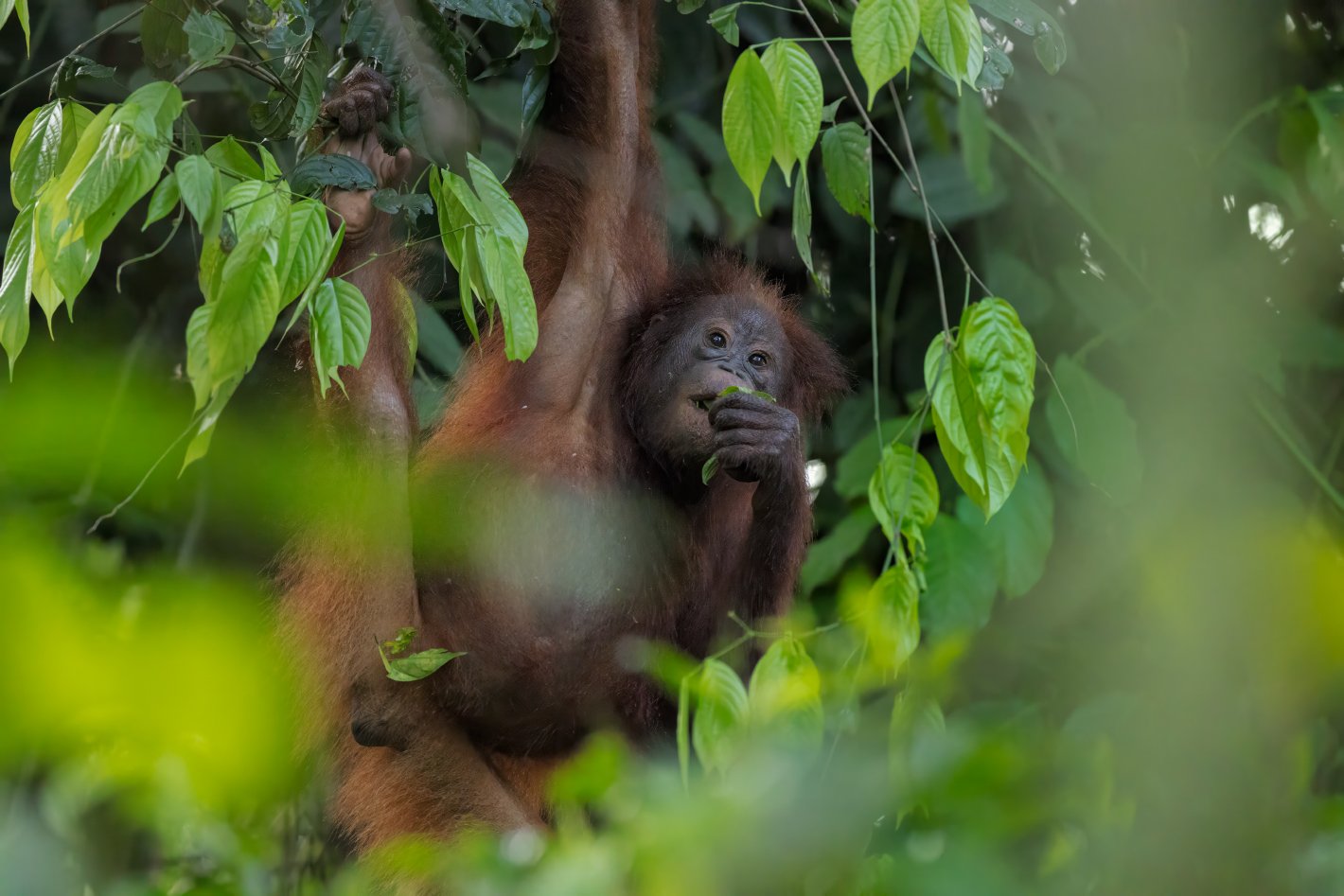
The undisputed star is the orangutan, the very symbol of Borneo. At the Sepilok Orangutan Rehabilitation Centre, orphaned and rescued animals—many confiscated from the illegal wildlife trade—are carefully prepared for a gradual return to life in the wild. Watching these magnificent apes swing effortlessly through the forest canopy or build their evening nests is an experience that is difficult to put into words.
Just a short walk away is the Bornean Sun Bear Conservation Centre, dedicated to the world's smallest bear. Naturally shy and rarely seen in the wild, sun bears can be observed here while learning about the conservation efforts aimed at protecting this vulnerable species.
But Sepilok offers far more than its famous mammals.
The Rainforest Discovery Centre (RDC), located within the Kabili-Sepilok Forest Reserve, is one of the finest places in Malaysian Borneo to experience tropical rainforest without embarking on an extended jungle expedition. Established to promote environmental education and rainforest conservation, it features an outstanding canopy walkway suspended more than 25 metres above the forest floor. Observation towers provide breathtaking views across the treetops, offering exceptional opportunities to watch birds at eye level.
Beyond the canopy walk, an extensive network of well-maintained trails winds through primary rainforest. Visitors can also explore a botanical garden showcasing orchids and carnivorous plants, while the visitor centre explains the remarkable biodiversity of Borneo's forests.
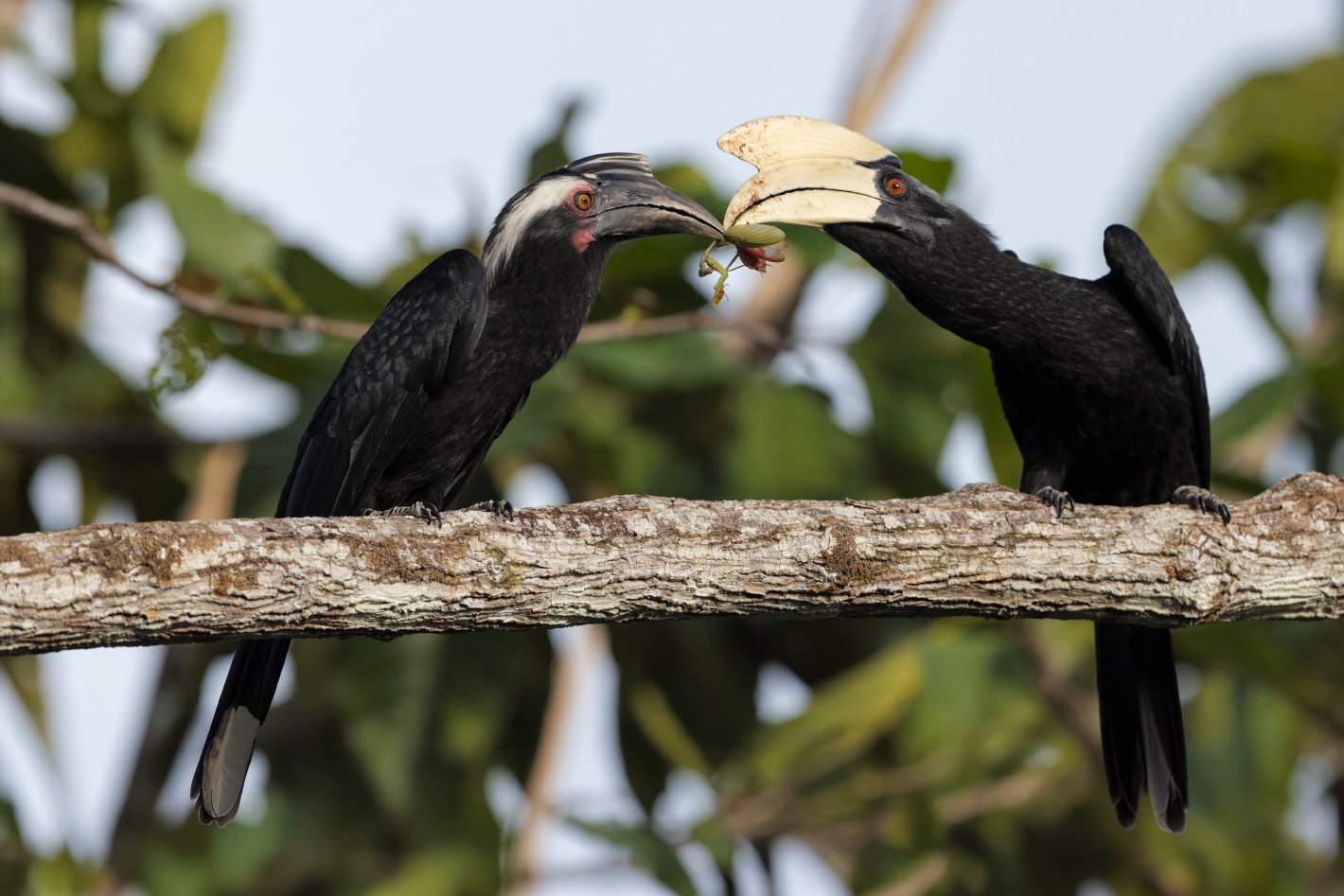
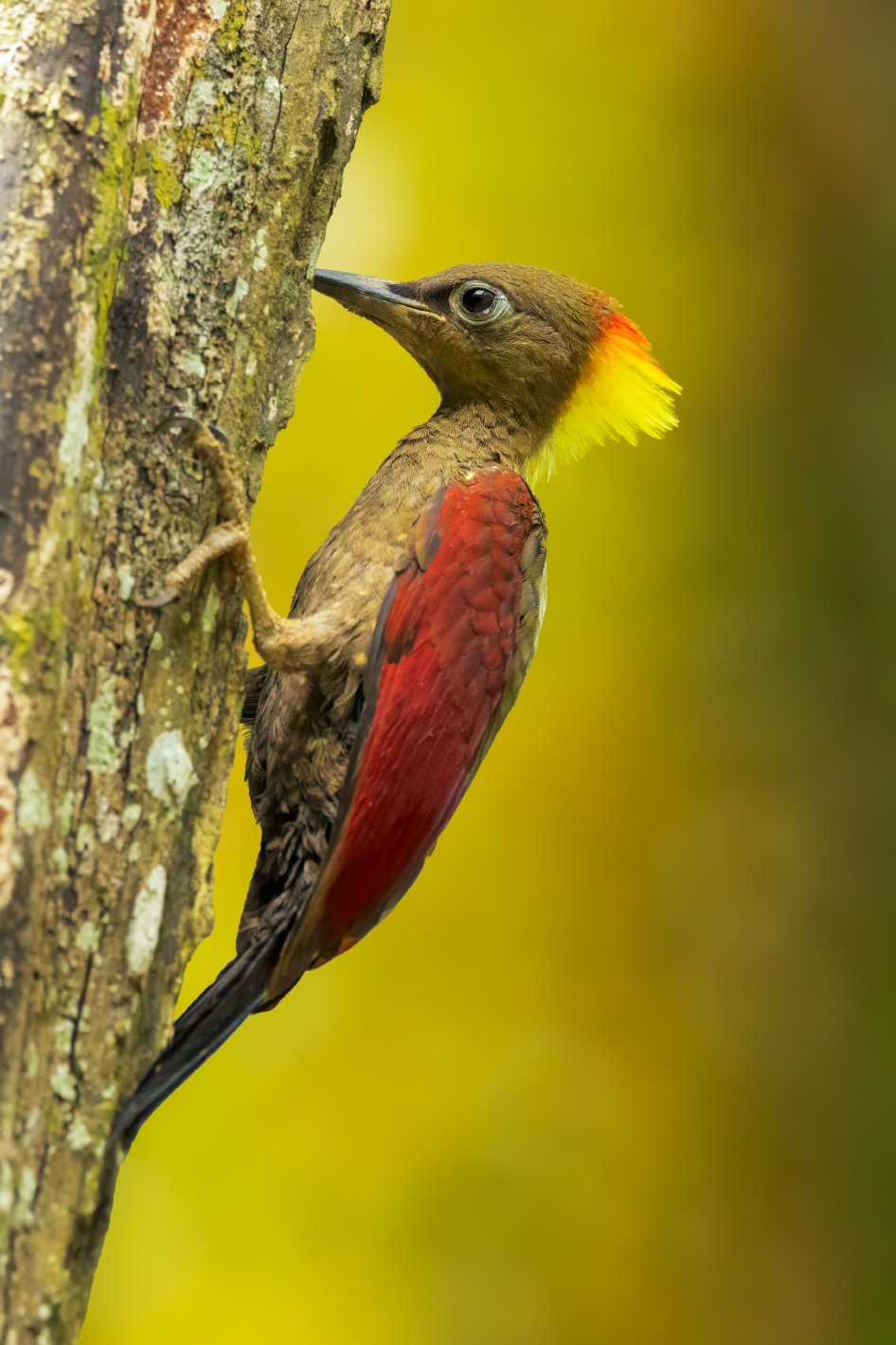
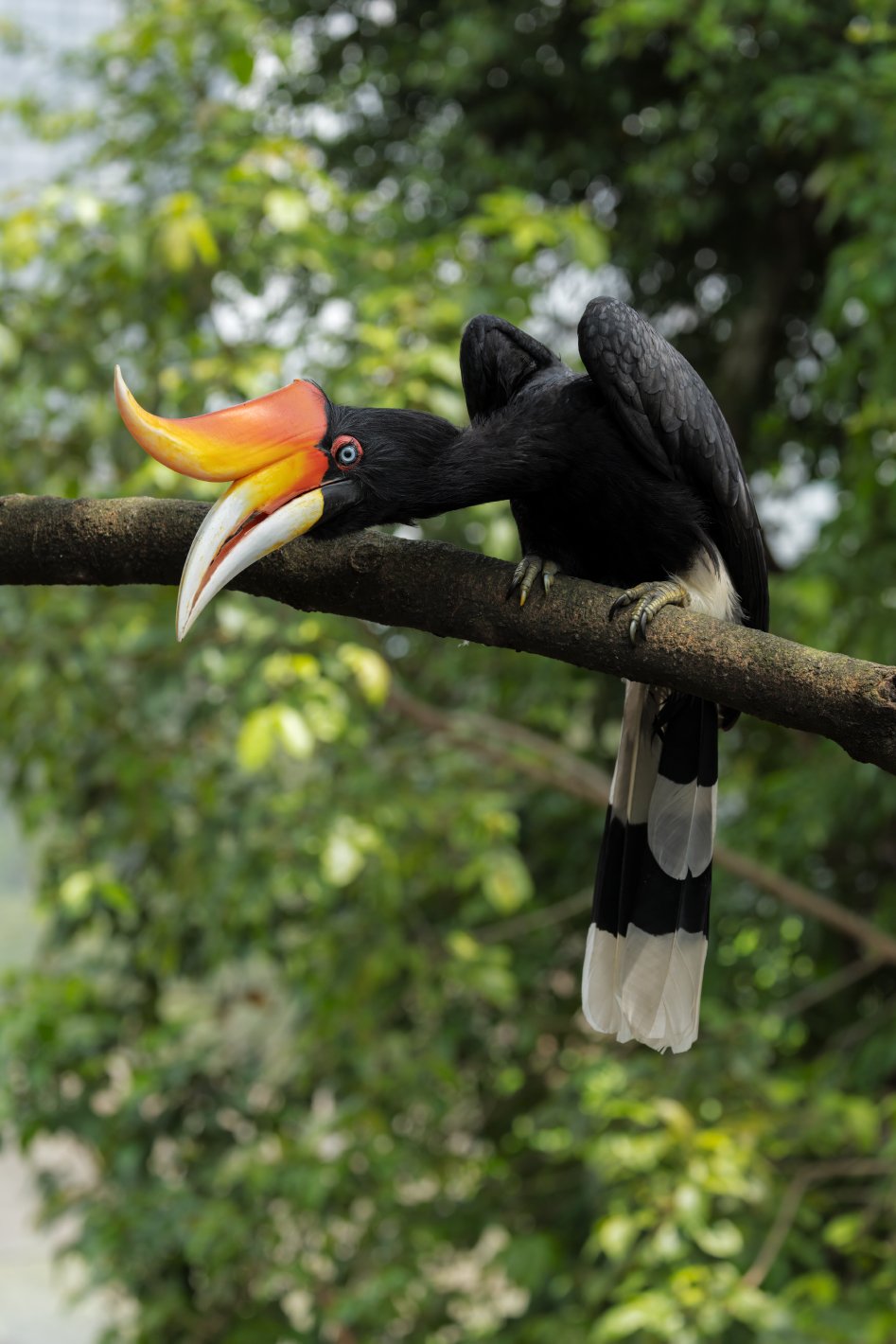
Wildlife is everywhere. Hornbills, trogons, pittas, kingfishers, bulbuls, drongos and numerous birds of prey inhabit the canopy, while giant squirrels, macaques, langurs and an astonishing variety of insects complete this extraordinary ecosystem.
The Rainforest Discovery Centre is widely regarded as one of Sabah's finest and most accessible nature destinations. Personally, I would recommend spending at least two full days here to fully appreciate both its wildlife and photographic opportunities.
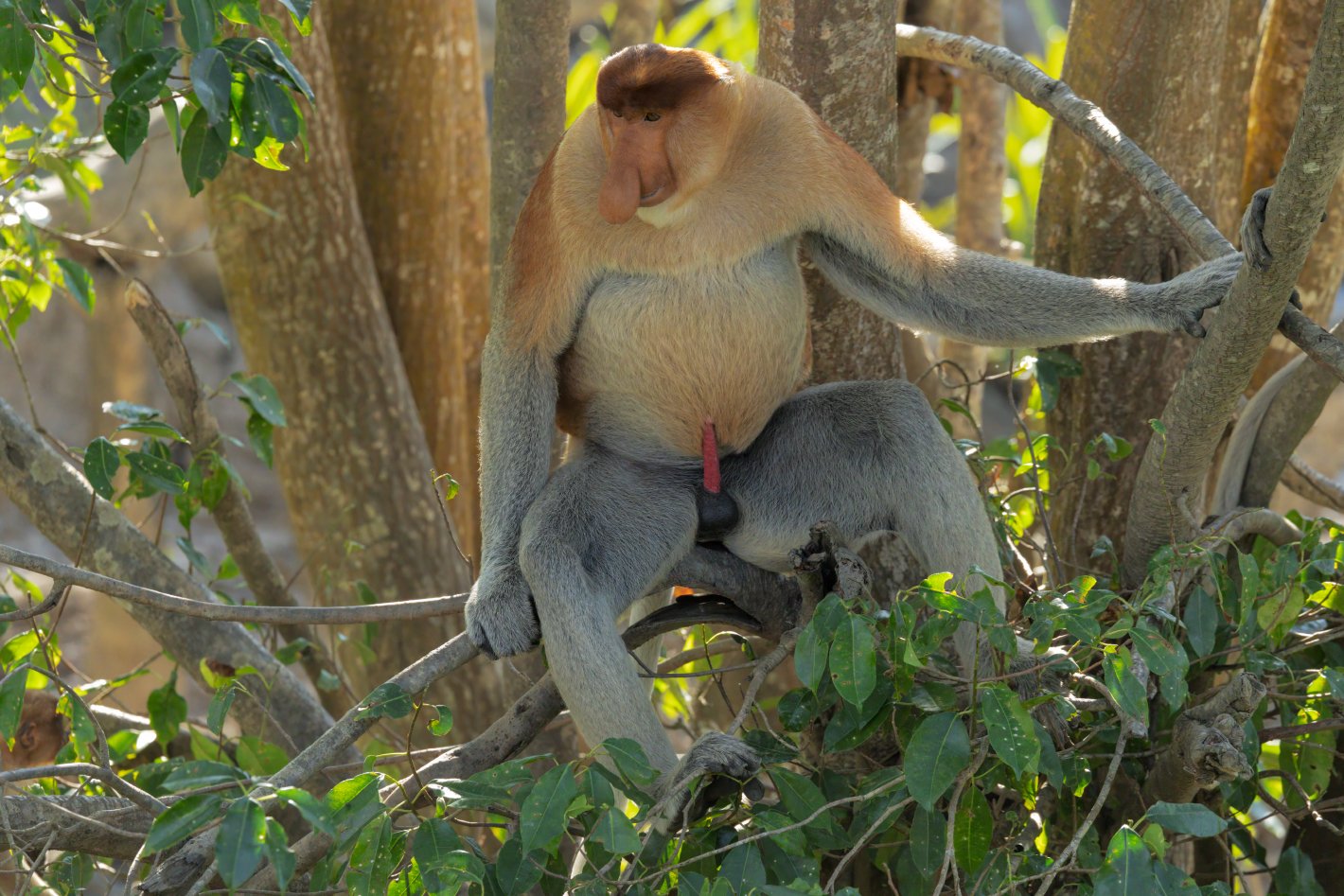
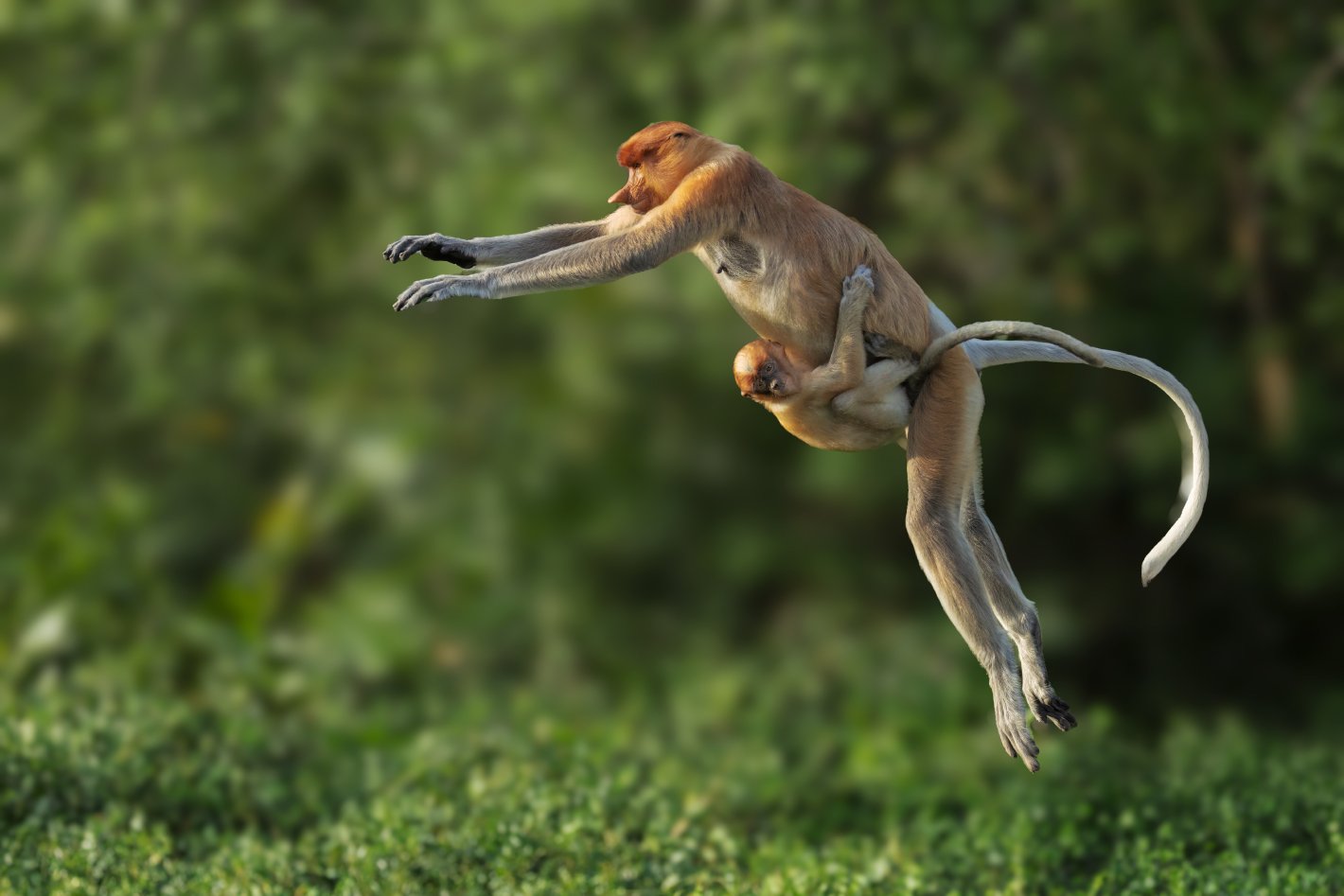
Around 25 kilometres from Sandakan lies the Labuk Bay Proboscis Monkey Sanctuary, one of the best places in Borneo to observe the endemic proboscis monkey (Nasalis larvatus), instantly recognisable by the oversized nose of the adult males.
The sanctuary has an interesting history. In the 1990s, the landowner abandoned plans to convert the entire area into an oil palm plantation after discovering a resident population of proboscis monkeys. Instead, the site became a privately managed sanctuary dedicated to their protection.
Two observation platforms, connected by boardwalks through the mangroves, allow visitors to watch the monkeys from only a few metres away. Twice daily, staff provide a limited food supplement that encourages the animals to visit while still relying primarily on their natural diet. Adult males, females carrying young, silvered langurs with their striking orange infants, hornbills, monitor lizards and numerous mangrove birds are all regularly encountered.
In my opinion, Labuk Bay is absolutely worth visiting if your goal is to photograph proboscis monkeys at close range. For a completely wild viewing experience, however, nothing compares to exploring the Kinabatangan River. Ideally, visit both—they offer two very different yet complementary wildlife experiences.
The Kinabatangan River: Borneo's Wildlife Highway
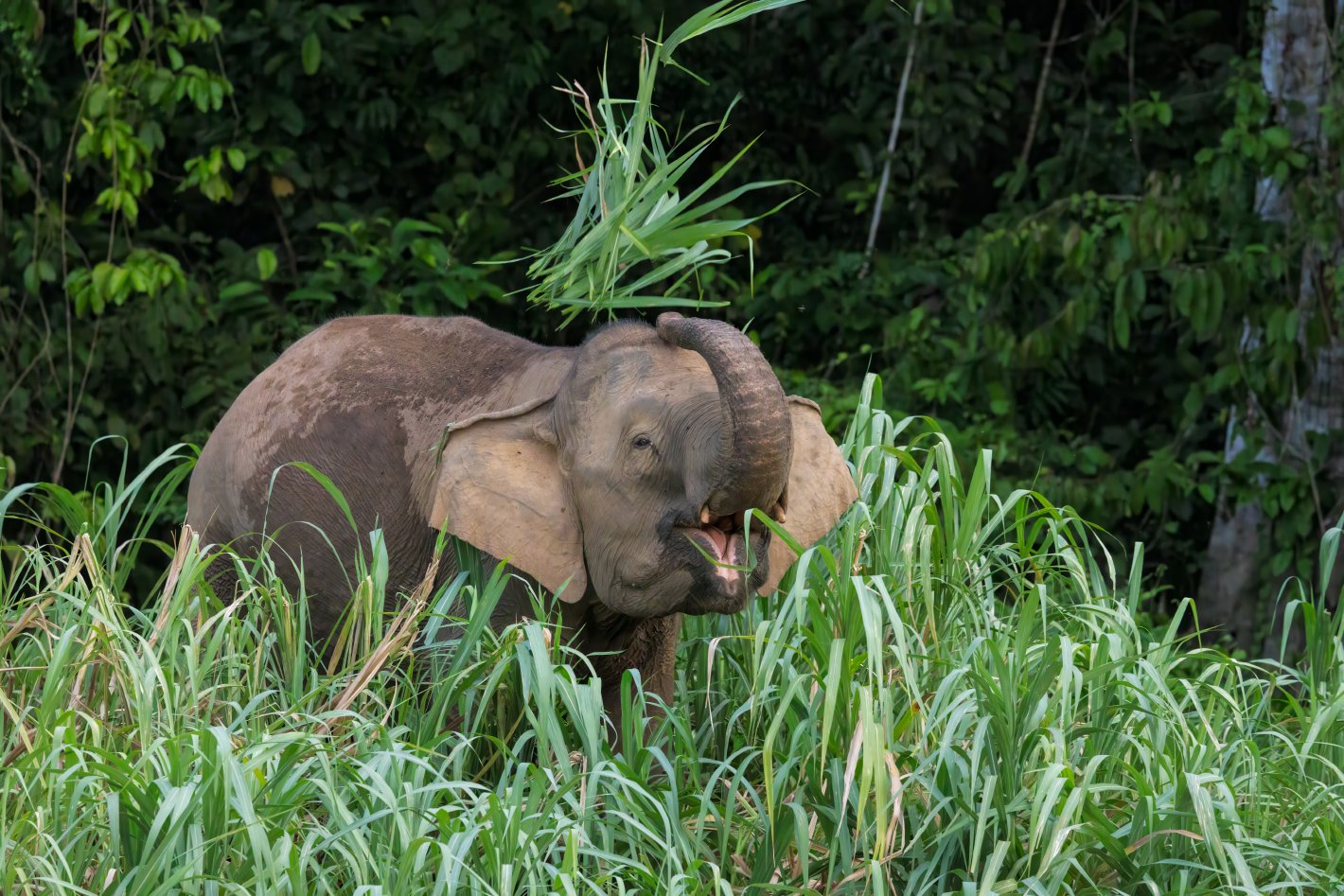
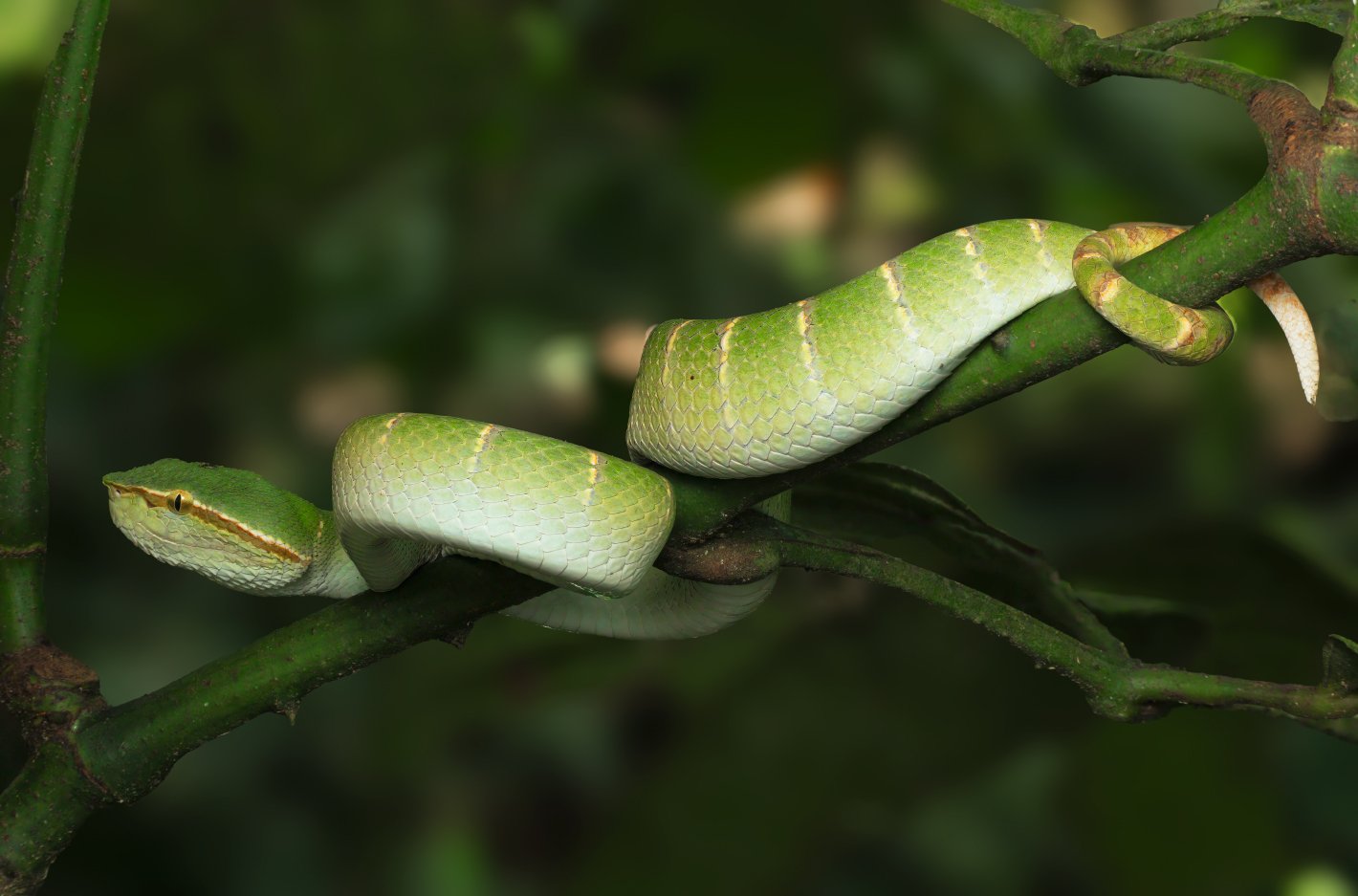
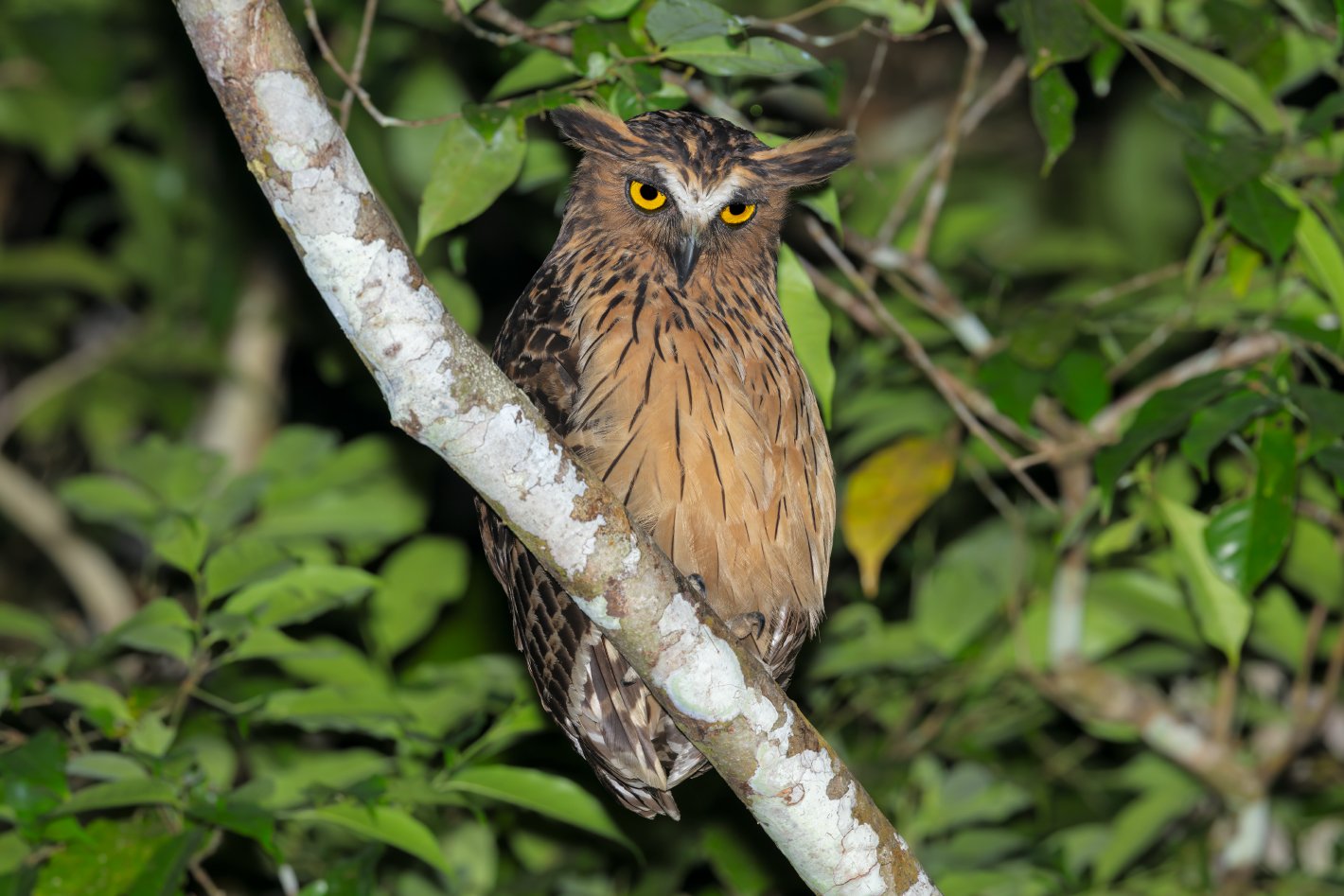
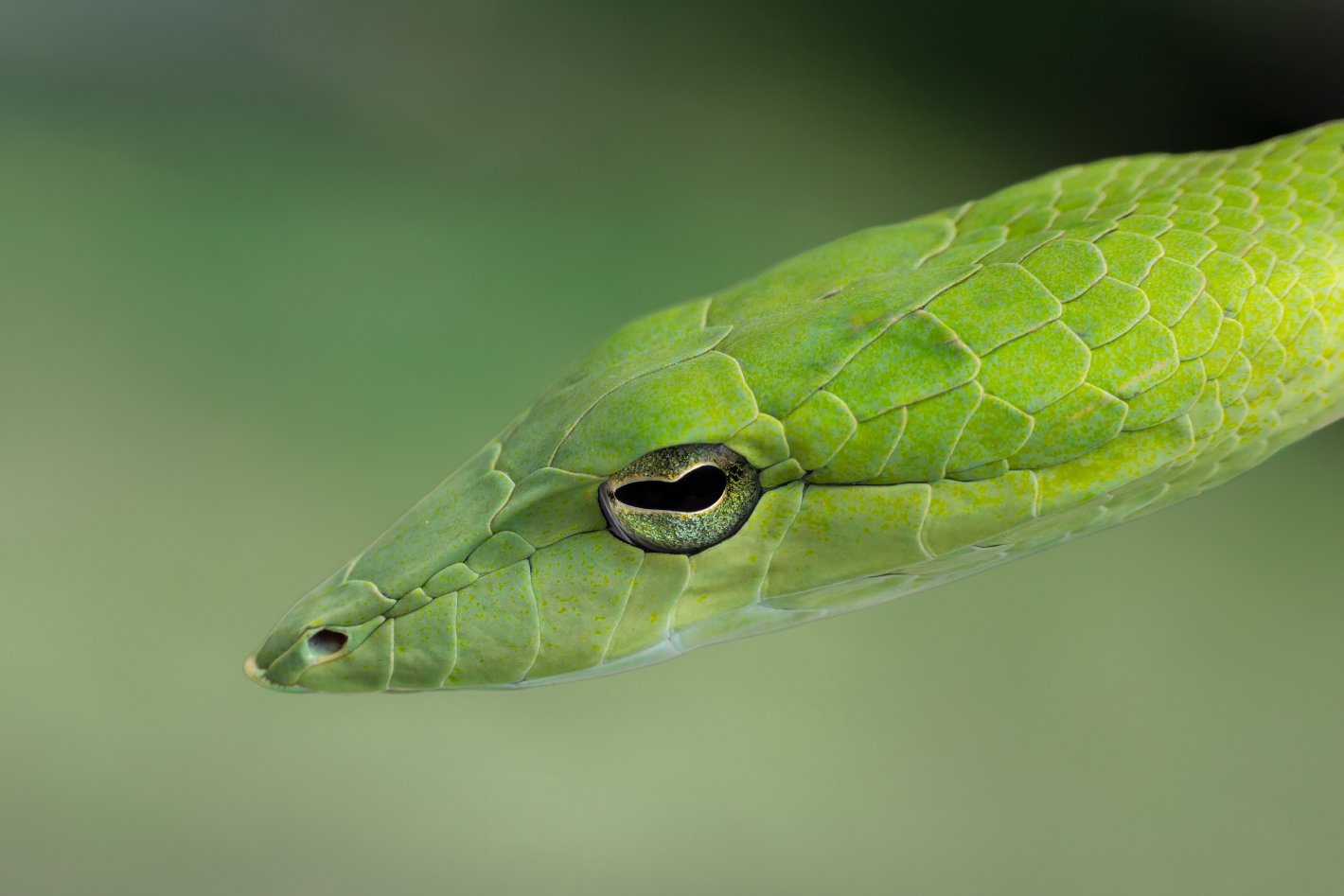
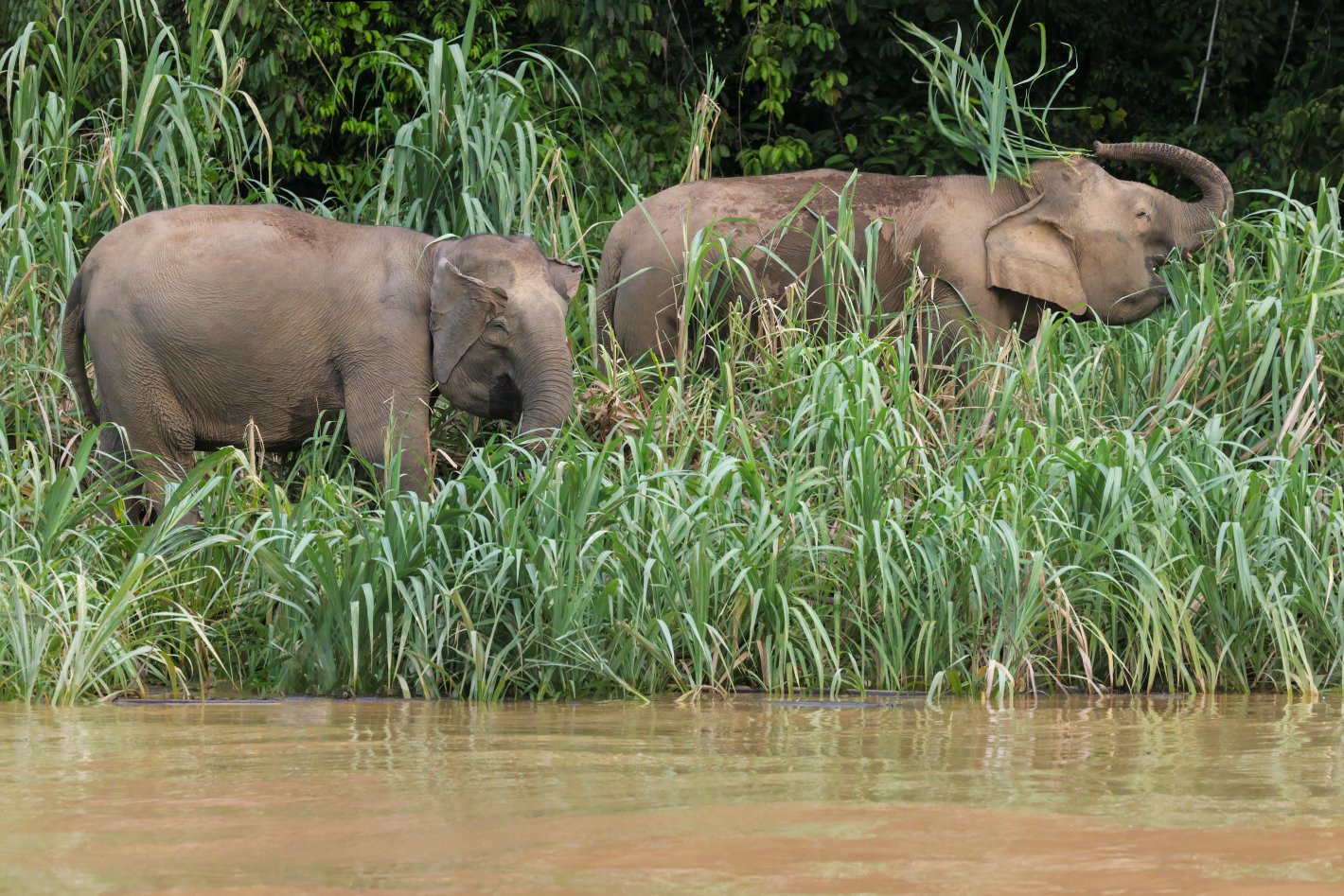
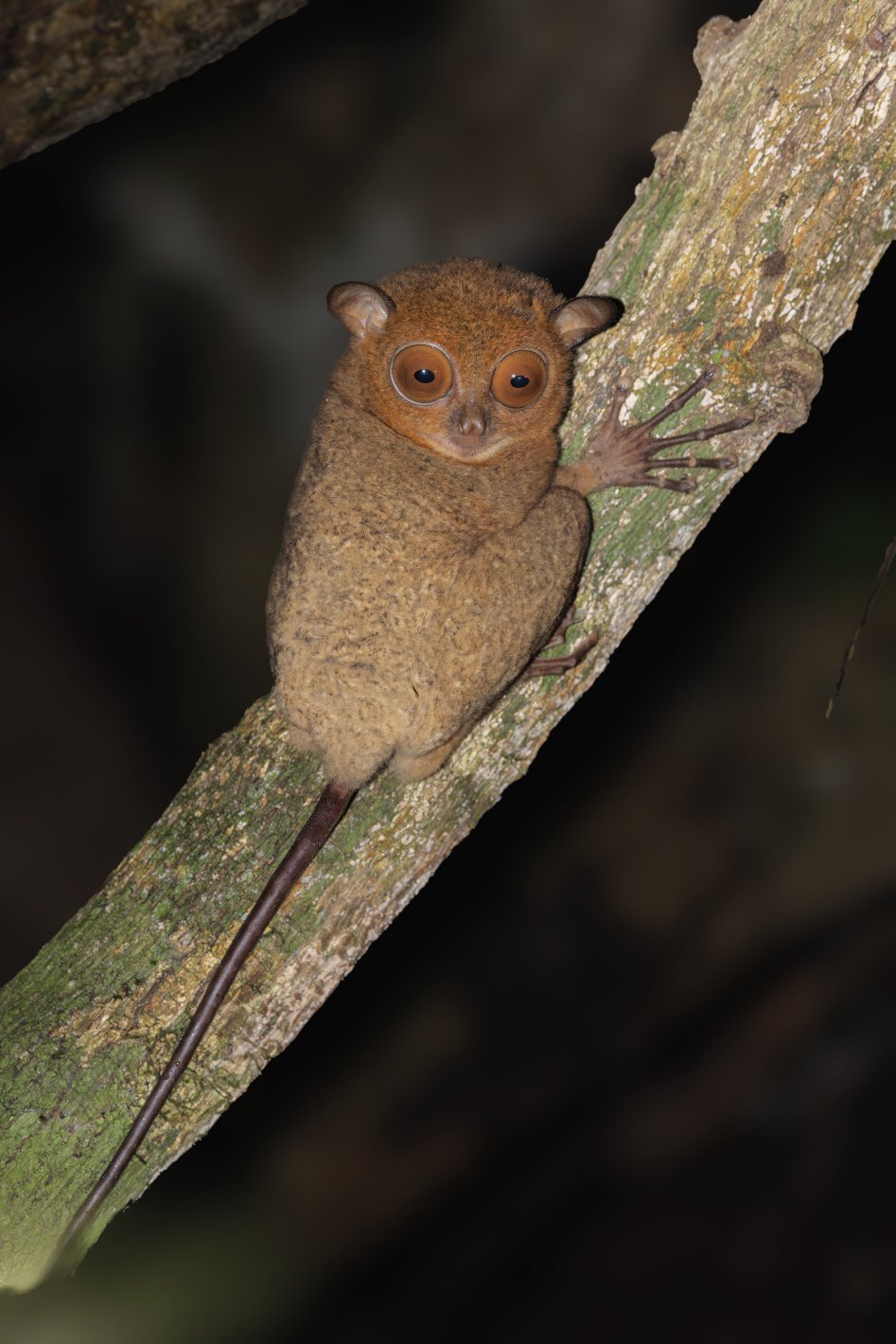
If Sepilok introduces visitors to Borneo's biodiversity, the Kinabatangan River showcases it on an even grander scale.Stretching for over 560 kilometres, it is Malaysia's second-longest river and flows through vast floodplains, oxbow lakes, freshwater swamps and riverine forests that support one of the highest concentrations of wildlife in Southeast Asia.Most excursions take place by boat at dawn and dusk, when animal activity reaches its peak. Every bend in the river has the potential to reveal something unexpected.Wild orangutans, proboscis monkeys, long-tailed and pig-tailed macaques are among the most sought-after species, while magnificent hornbills cross overhead with their unmistakable, powerful wingbeats.One of the greatest highlights is the chance to encounter the Bornean pygmy elephant feeding along the riverbanks or even swimming across the river. Saltwater crocodiles are ever-present, often lying motionless on muddy banks as they wait patiently for prey.For birdwatchers, the Kinabatangan is nothing short of paradise. Multiple species of kingfishers, fish eagles, herons, storks, forest raptors and countless passerines ensure that no two river cruises are ever the same.After sunset, the rainforest undergoes a remarkable transformation. Owls, slow lorises, tarsiers, arboreal snakes and a fascinating variety of amphibians emerge during night excursions, revealing an entirely different side of the forest.
Danum Valley: Into the Primeval Forest
The highlight of the journey is undoubtedly the Danum Valley Conservation Area.
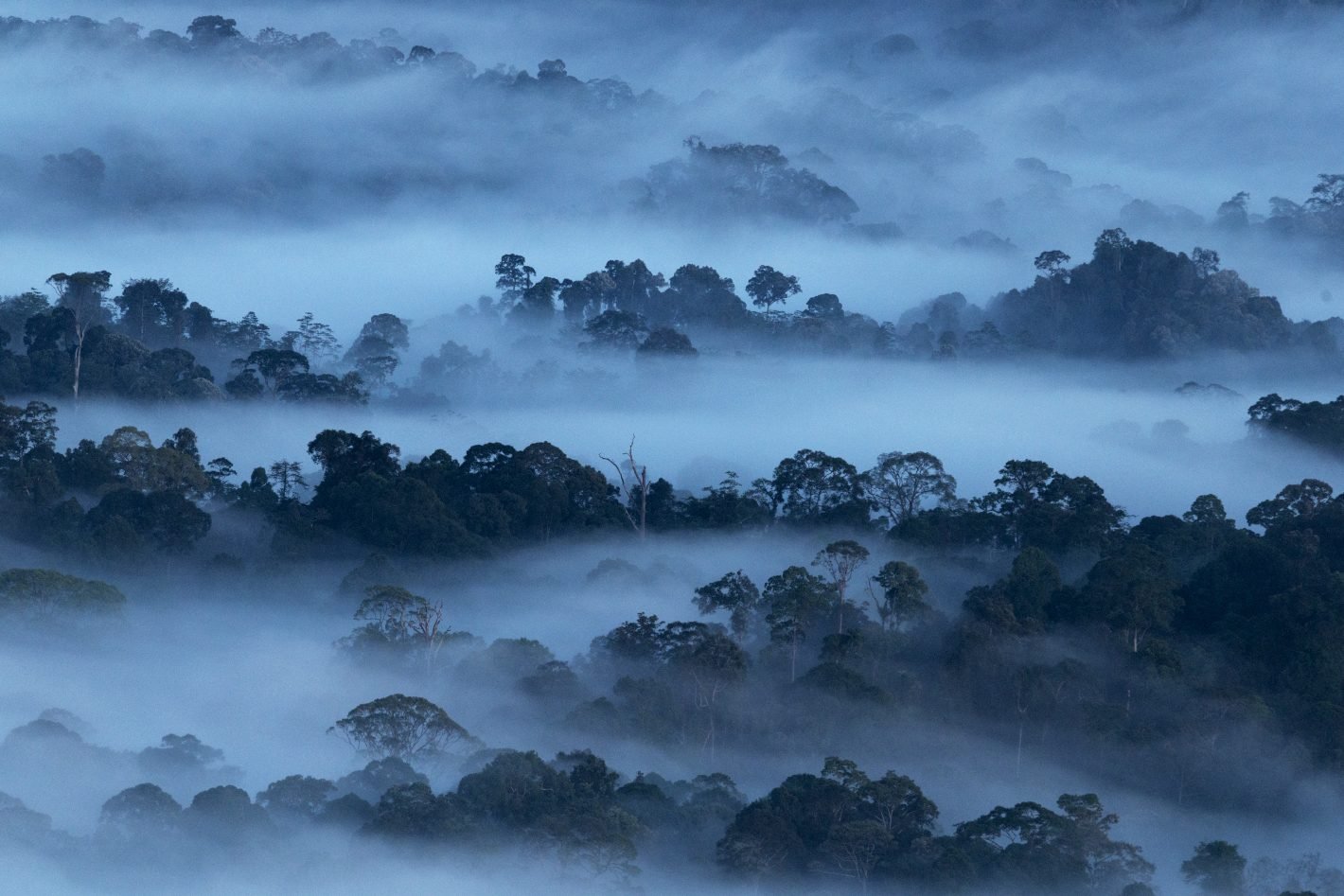
Unlike many forests elsewhere in Borneo, this rainforest has never been logged. Towering trees rise to heights of more than 80 metres, and some individuals are centuries old. Walking beneath this immense canopy feels like stepping into an ecosystem that has remained largely unchanged for millions of years.
The atmosphere here is unlike anywhere else in Sabah. Silence is broken only by the haunting calls of gibbons at dawn, the constant chorus of cicadas, and the rustle of unseen animals moving through the dense vegetation.
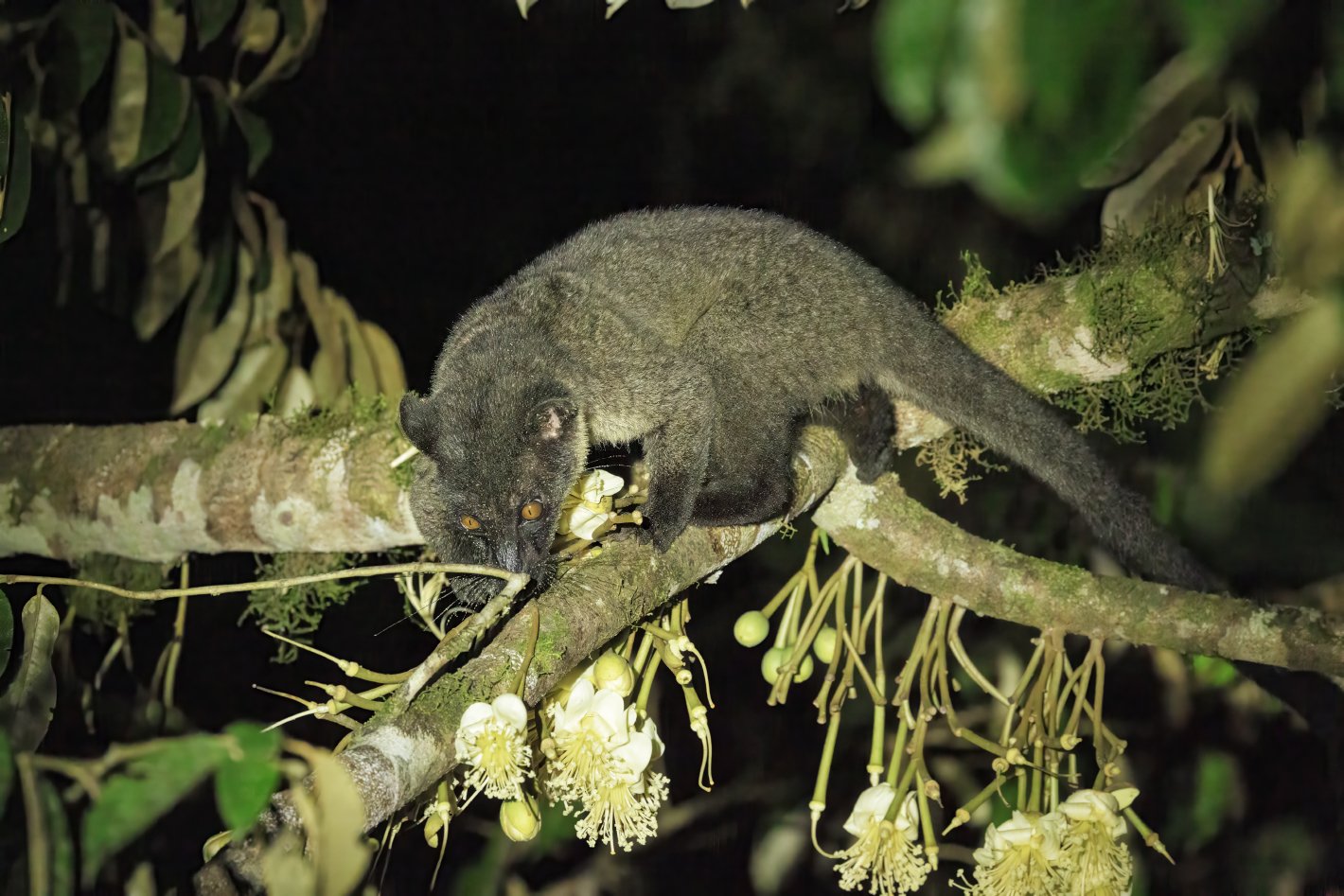
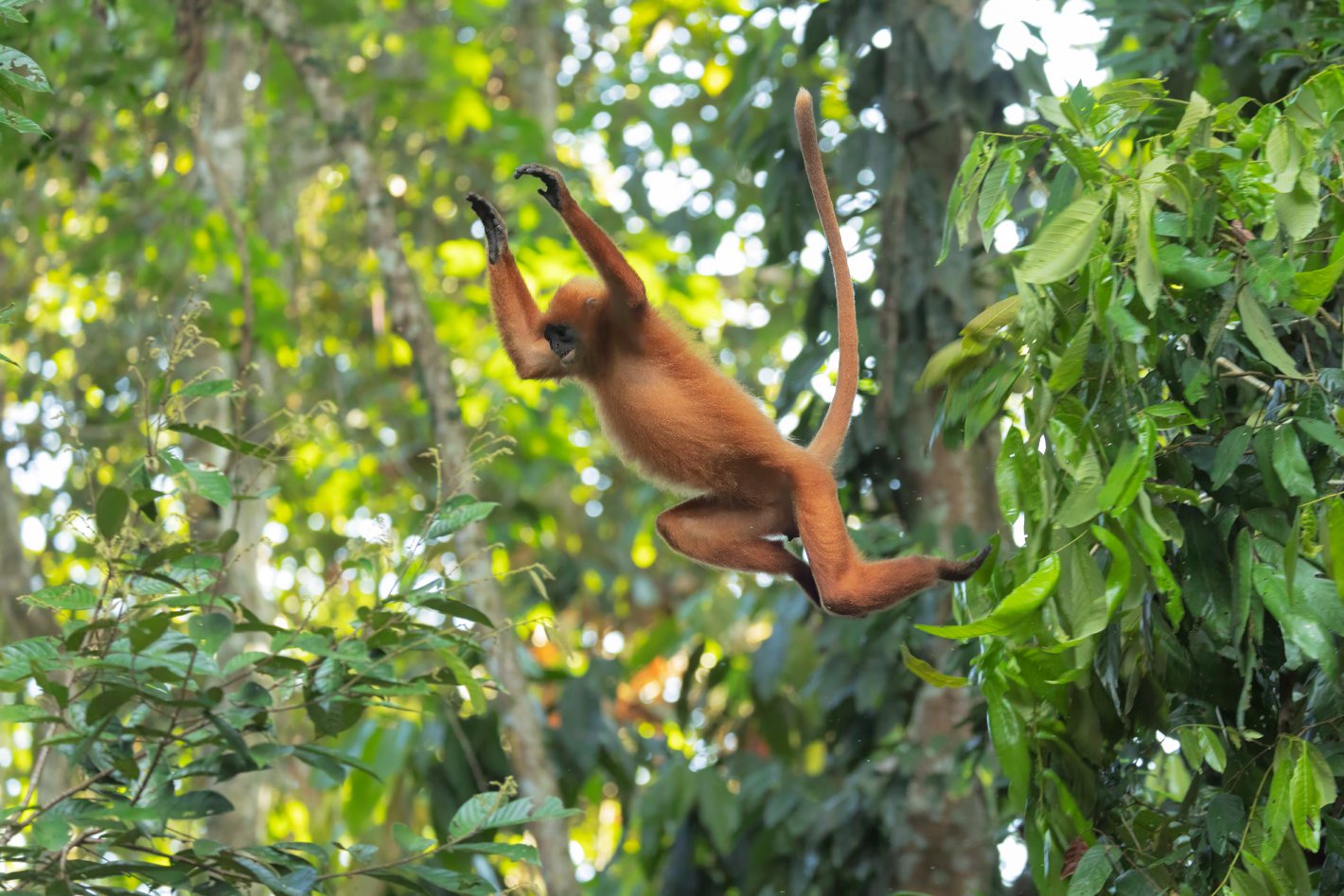
Danum Valley is one of the world's finest places to search for elusive rainforest mammals. Besides orangutans, it is home to all five species of Bornean wild cats, including the incredibly rare Sunda clouded leopard, as well as civets, mouse deer, flying squirrels, pangolins and numerous primates.
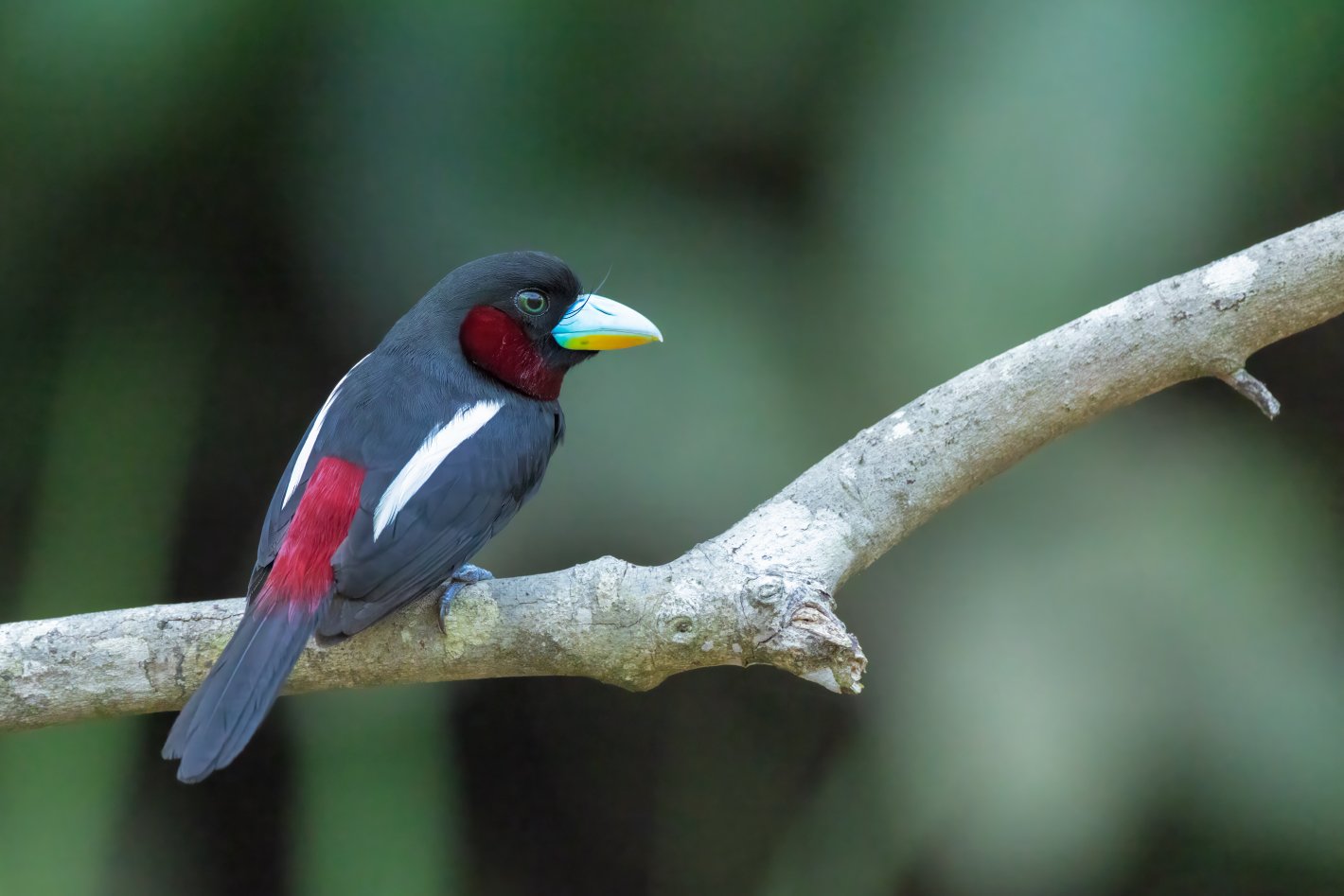
Birdlife is equally spectacular. Colourful pittas—among the most difficult rainforest birds to observe—great argus pheasants, several hornbill species, serpent eagles and many Bornean endemics make Danum Valley a dream destination for wildlife photographers and birdwatchers alike.
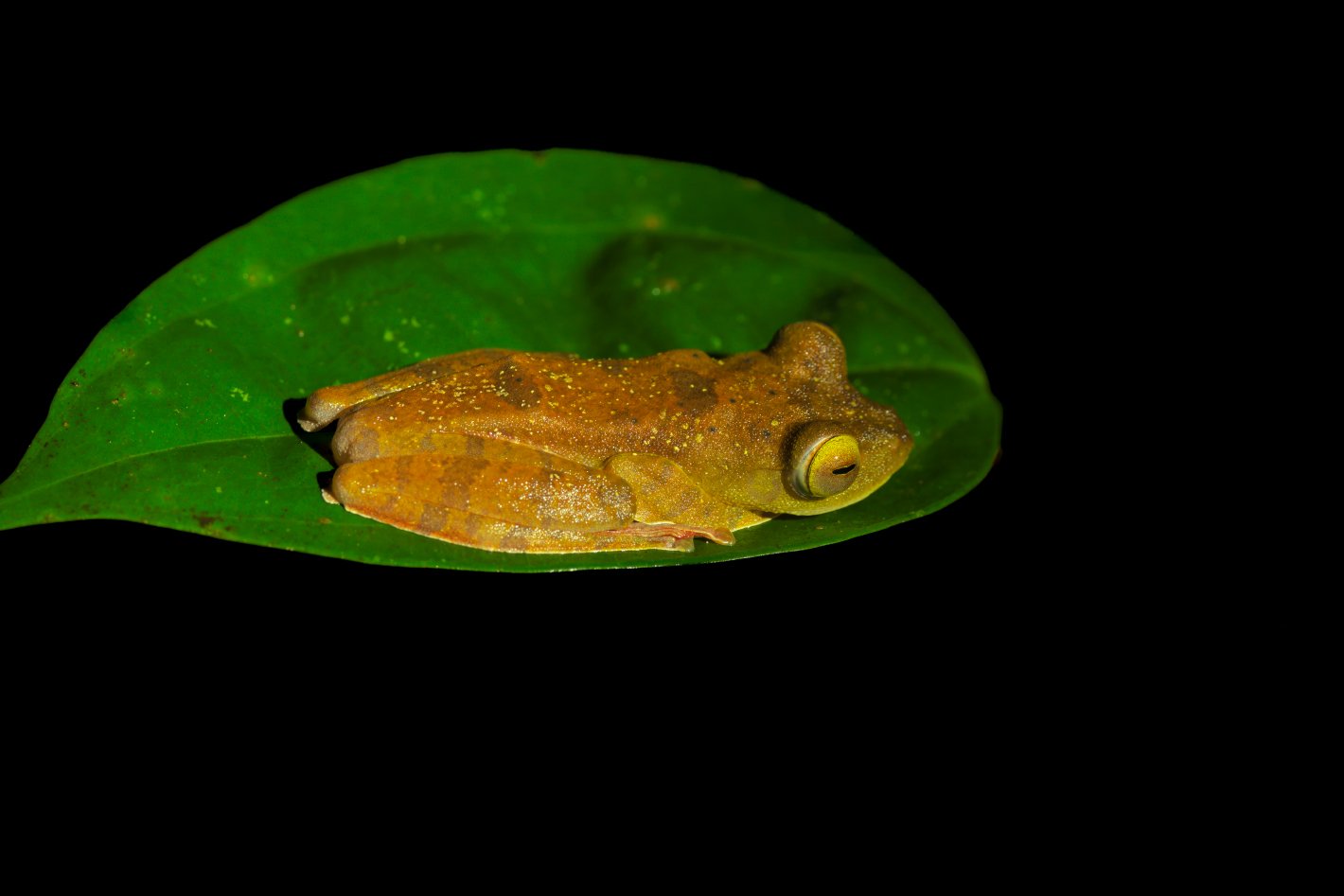
Night drives and guided walks reveal yet another world: brilliantly coloured frogs, remarkable insects, geckos, snakes and an astonishing diversity of smaller creatures that testify to the rainforest's extraordinary biological richness.
Trekking here is both demanding and immensely rewarding. Temperatures inside the forest regularly reach 34–36°C (93–97°F), humidity approaches 100%, and trails become steep, slippery and exhausting after heavy rain. Yet this challenge is precisely what makes the experience unforgettable. Fully immersing yourself in the forest through early morning walks, late afternoon excursions and night safaris offers the greatest chance of witnessing the incredible diversity of life hidden beneath the canopy.
A Rainforest Worth Protecting
Travelling through Borneo also means confronting the realities of conservation.
The relentless expansion of oil palm plantations has fragmented vast areas of rainforest, threatening many of the island's most iconic species. Travelling between destinations, the road passes endless plantations, making it impossible not to think about the countless square kilometres of ancient forest that have disappeared in the name of economic development.
This is why protected areas such as Sepilok, the Kinabatangan River and Danum Valley are so vitally important. They provide essential refuges for some of the world's most remarkable wildlife and demonstrate how responsible nature tourism can make a meaningful contribution to rainforest conservation.
The Call of the Rainforest
A journey through Borneo cannot be measured simply by the number of species seen.It is a deeply sensory experience—a world of intense humidity, the scent of wet earth, distant calls echoing through the trees and sudden wildlife encounters that leave you speechless. It is the humbling feeling of standing inside a rainforest that existed long before humans arrived and, one hopes, will continue to thrive for generations to come.
For wildlife photographers, birdwatchers and anyone who loves the natural world, Borneo is far more than a travel destination. It is one of those rare places that leaves a lasting impression—somewhere you do not simply visit, but truly experience.