0
iten
Il tuo carrello è vuoto

Learning to see: in search of Madagascar’s chameleons

Learning to see: in search of Madagascar’s chameleons

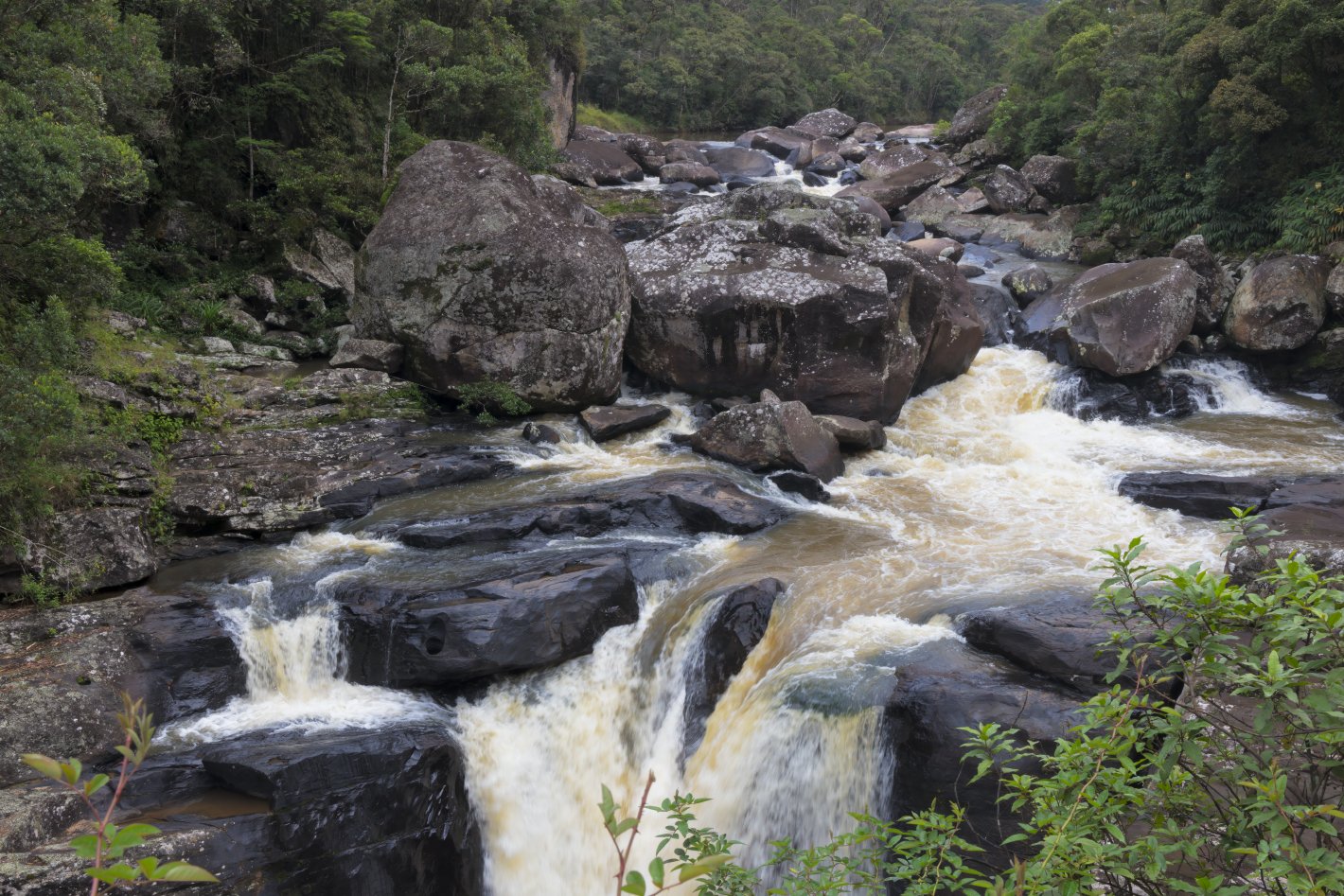
The first lesson Madagascar teaches is a simple one: if you're in a hurry, you'll see nothing. The rainforest cannot be conquered. It asks you to slow down, to surrender to its rhythm, to forget the passage of time. Every step sinks into soft earth. Every breath carries the scent of moss, rain-soaked bark, and leaves that have been quietly turning into humus for centuries. Sunlight barely filters through the canopy, casting fleeting shafts of gold that disappear almost as quickly as they appear. This is a living forest. It breathes. It watches.

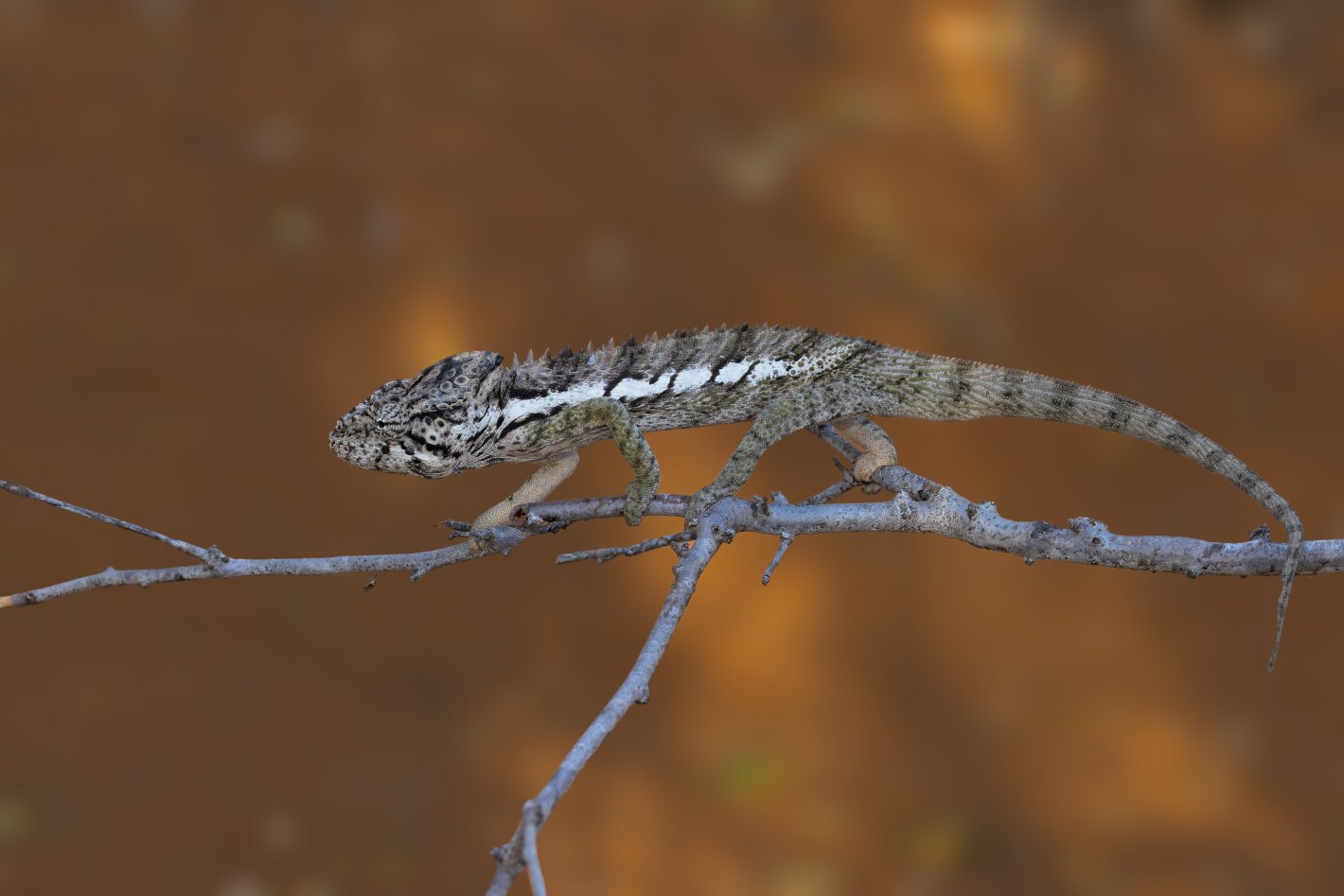
I walk silently behind my guide. He moves just as slowly, his eyes scanning the vegetation rather than the trail ahead, as though reading an invisible book written across the leaves. Every now and then he stops and points to a branch. I look. I see nothing. Ten.. perhaps fifteen seconds pass. Then it happens. Two eyes move. The branch begins to breathe. The chameleon has been there all along. It is I who had not yet learned how to see. That is the true magic of Madagascar's chameleons. They never reveal themselves. Instead, they teach you how to observe. They force you to slow down until your eyes stop searching for an animal and finally begin reading the forest itself. Nowhere else on Earth is this experience quite so profound.

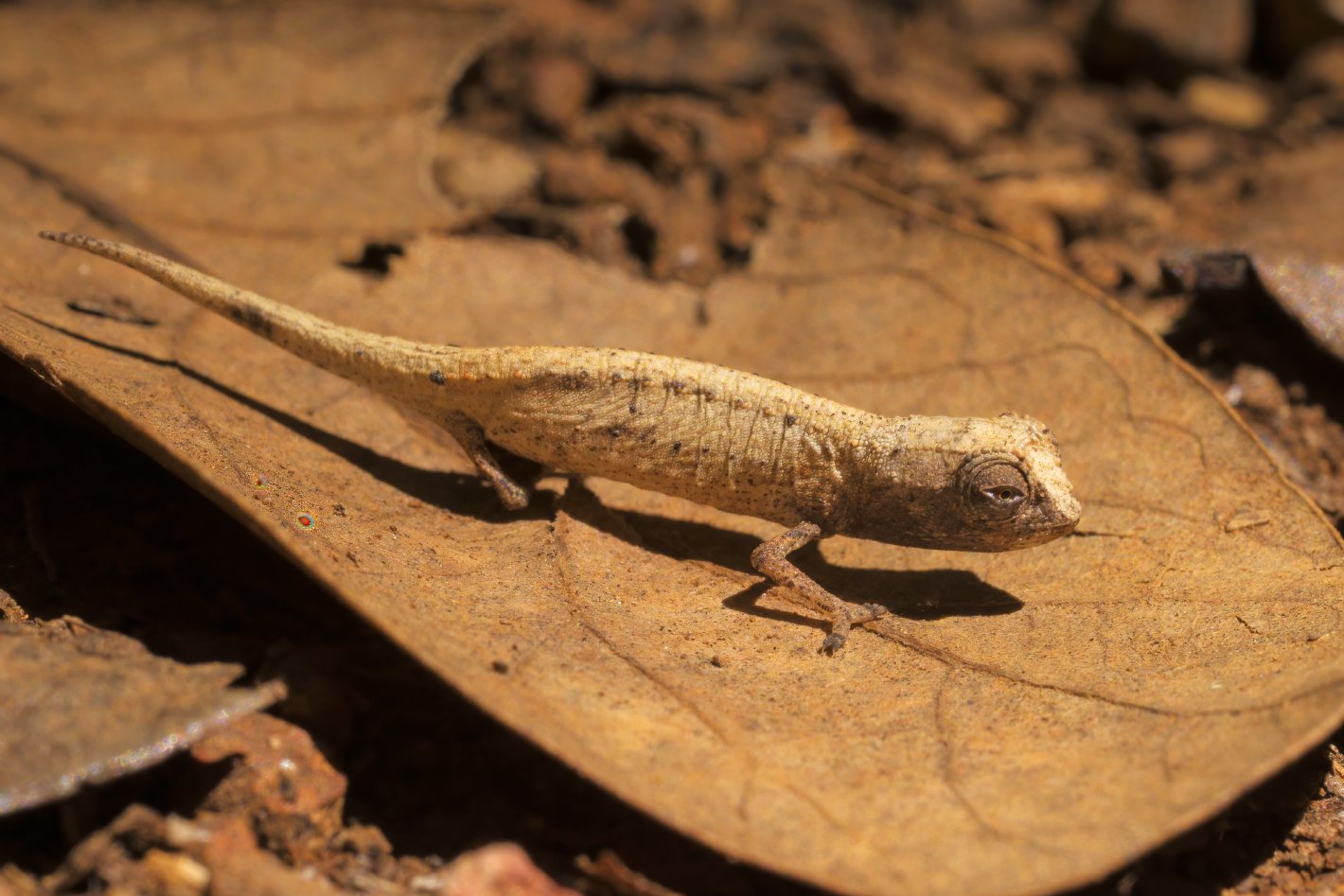
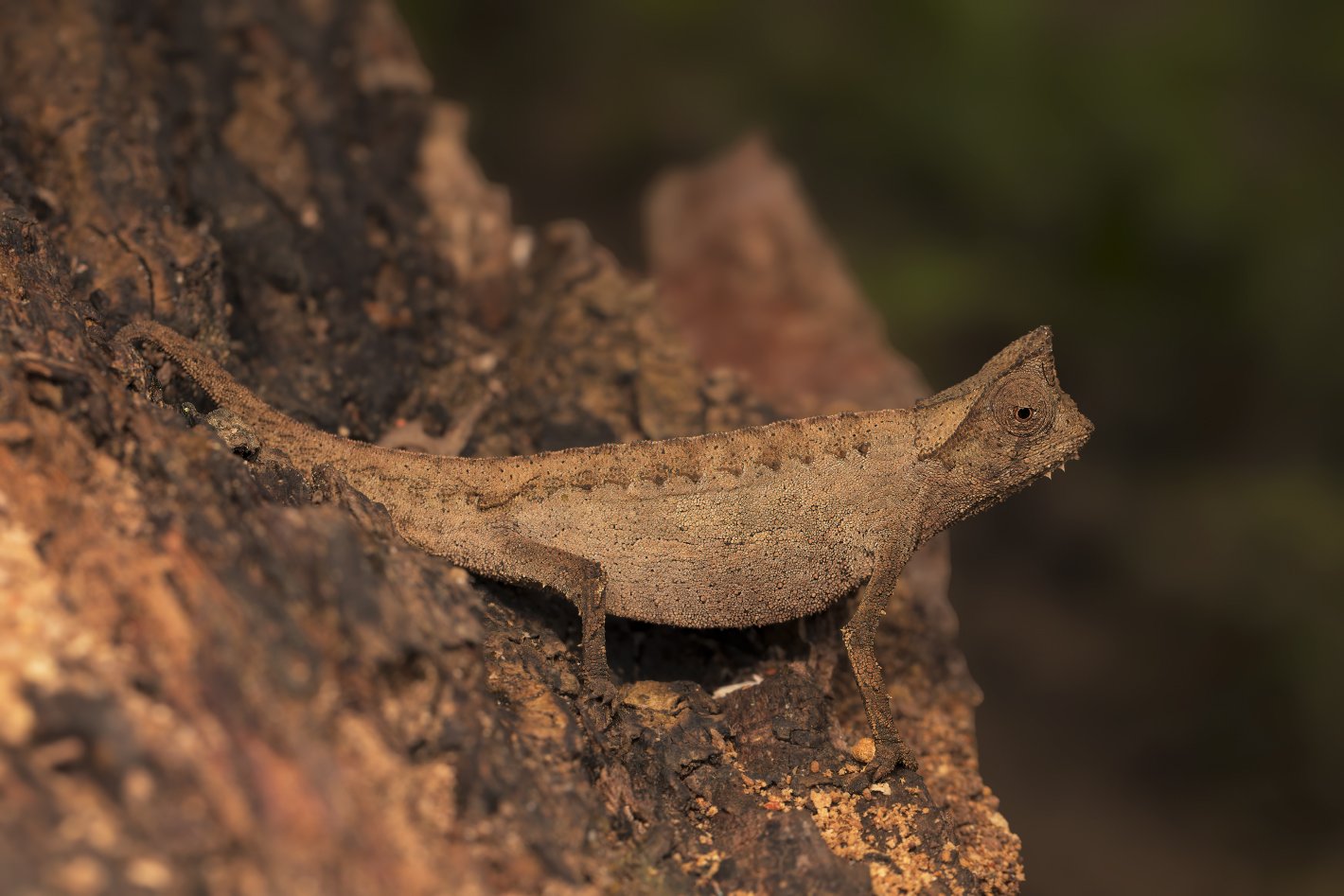
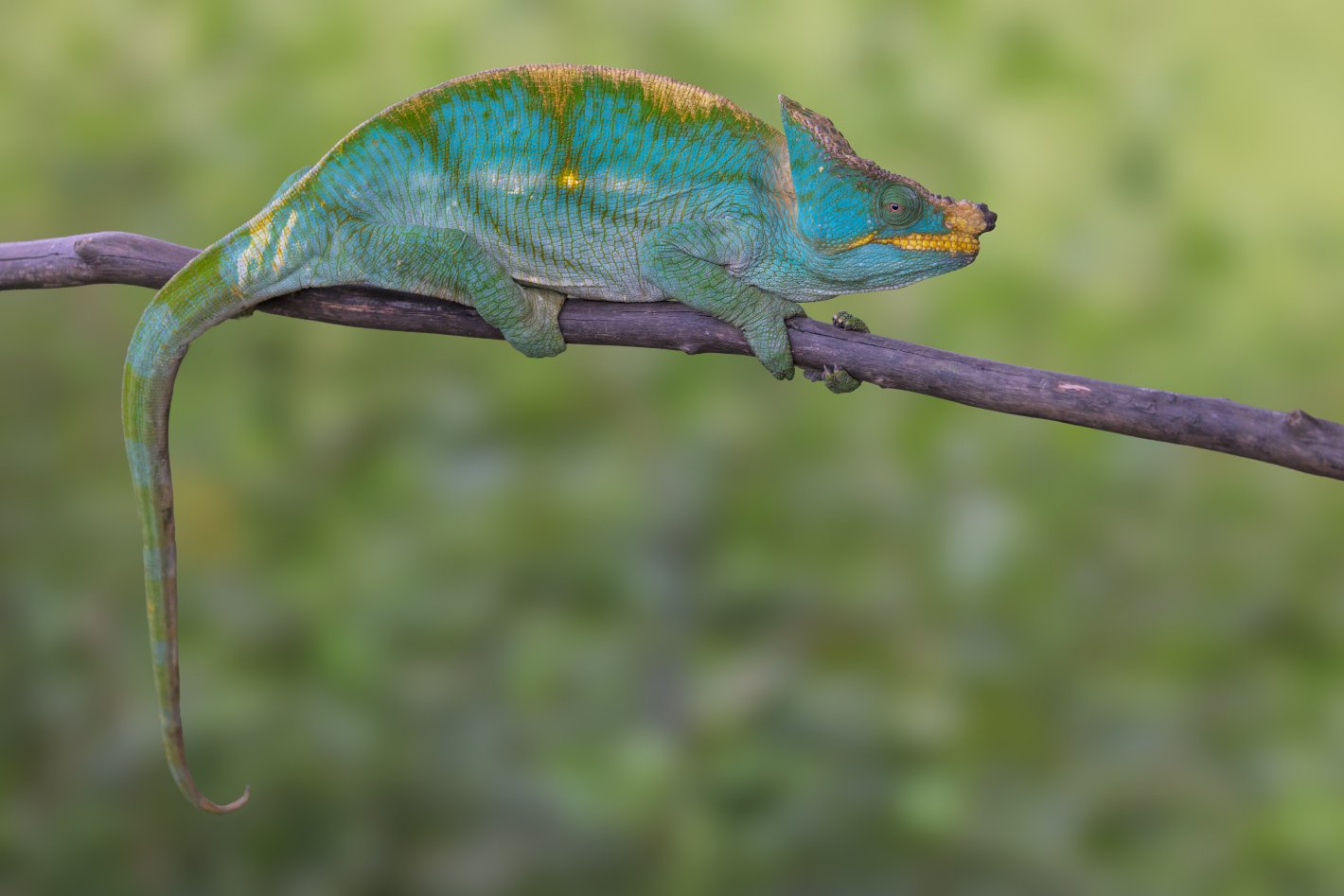
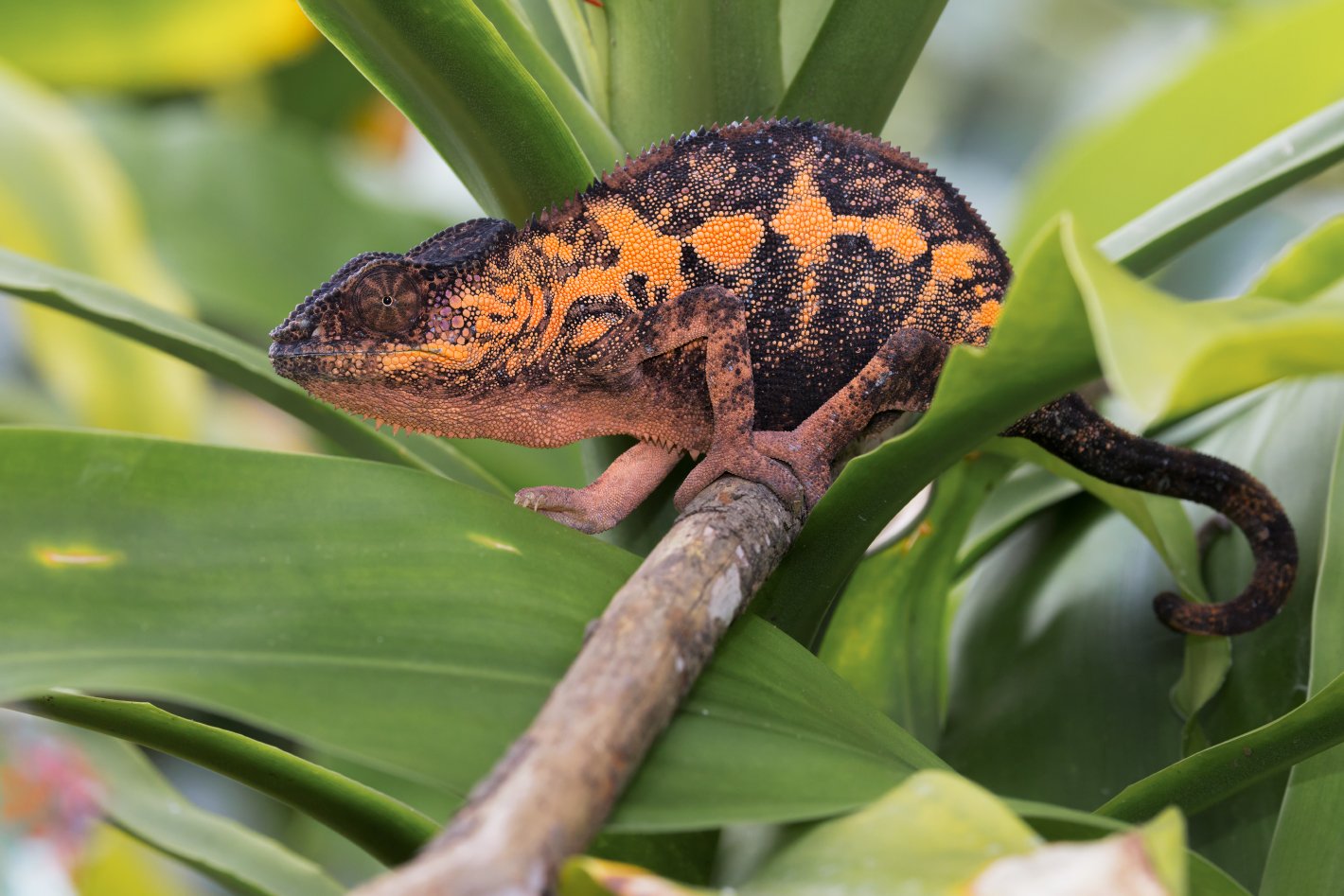
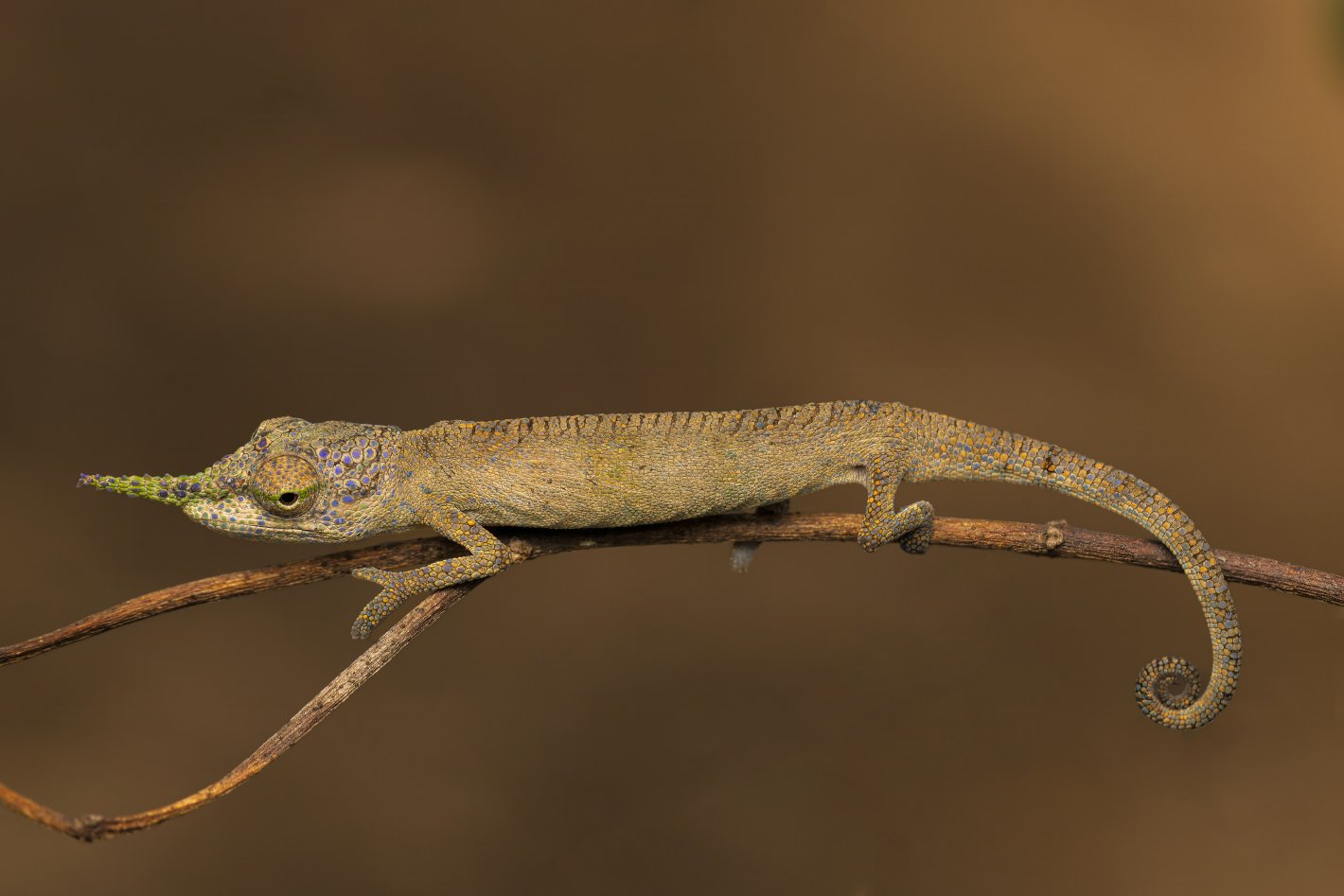
Madagascar is home to more than half of all known chameleon species. Millions of years of isolation have transformed the island into one of evolution's greatest laboratories. Every mountain range, every isolated valley, even individual patches of forest have given rise to unique species perfectly adapted to their own tiny worlds. Some are elegant giants. Others are biological miracles measured in millimetres. The tiny Brookesia nana, discovered only a few years ago, is barely larger than a thumbnail. Seeing it reminds us that nature never measures greatness in size.

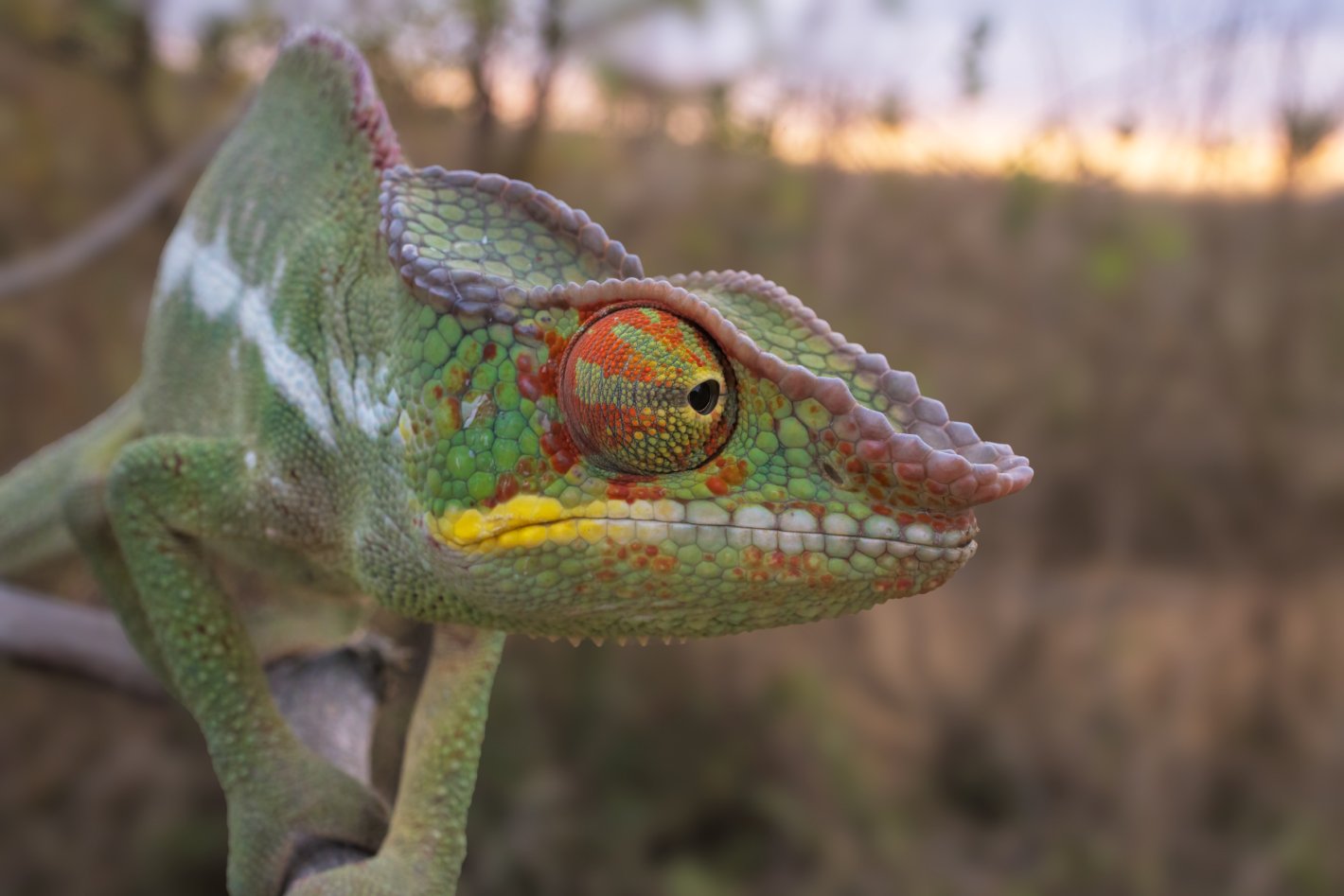
For a wildlife photographer, however, size is almost irrelevant. Light matters. Respect matters. But above all... Patience matters. Photographing a chameleon is far more than capturing a colourful reptile in sharp focus. It is about telling a story. You wait for the animal to remain completely at ease. You wait for it to lift a foot with almost impossible slowness. You wait for one eye to glance toward your lens while the other continues watching the forest. You wait for the light to brush gently across its skin, revealing every delicate texture without overwhelming it. The finest photographs are made the moment the photographer stops directing the scene and simply becomes another quiet presence in the forest. That is when the chameleon decides you no longer matter. And there is no greater compliment.

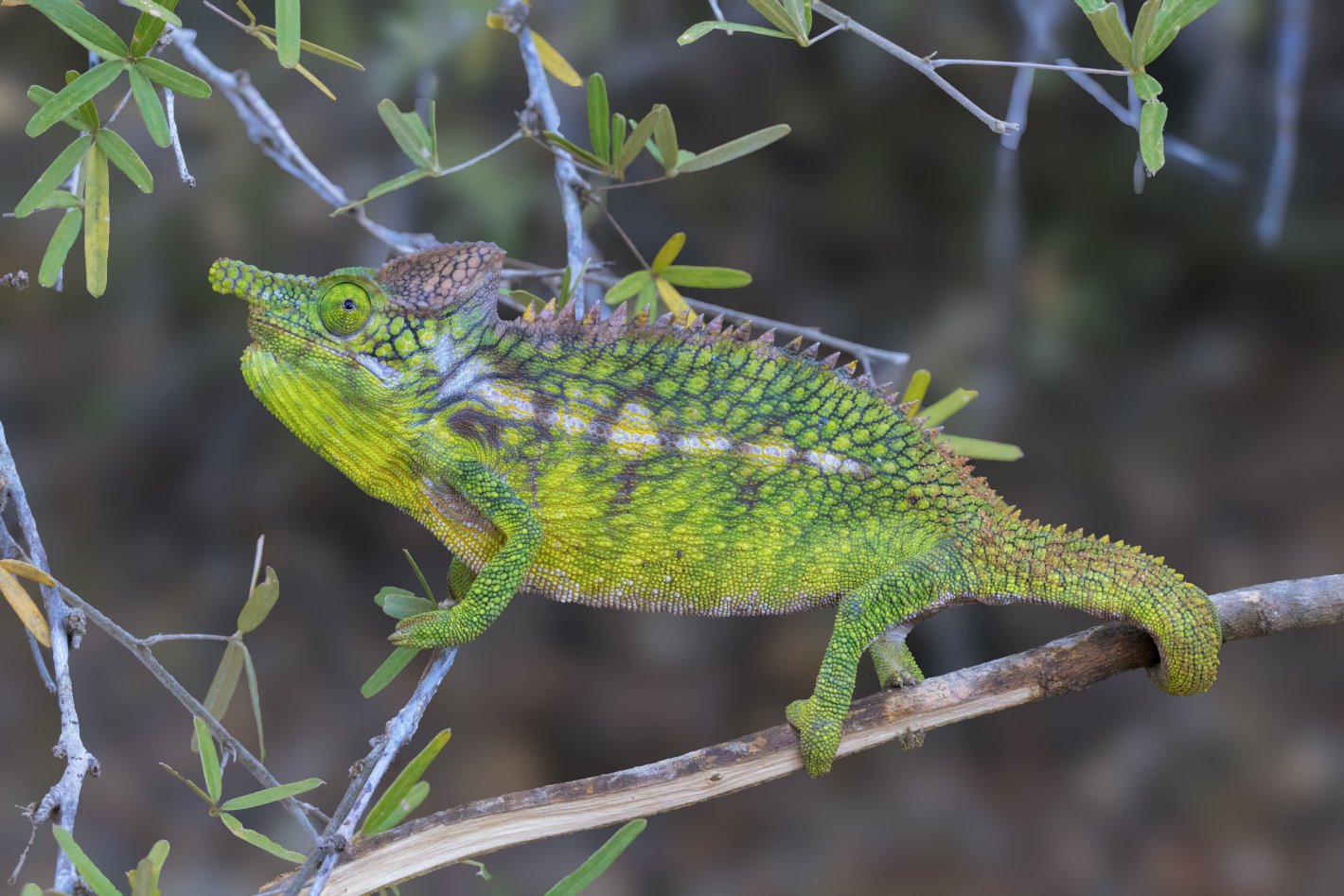
Watching one up close, it becomes easy to understand why scientists continue to study these extraordinary reptiles with such fascination. Its eyes move independently, scanning nearly everything around it without requiring the slightest movement of its body. Beneath its skin lies an intricate biological architecture where microscopic crystals manipulate light, producing colours that communicate emotion, body temperature, territorial displays and courtship. Even the way it walks is an evolutionary masterpiece. Each gentle sway perfectly imitates leaves moving in the breeze. It is not slowness. It is precision. Millions of years of evolution distilled into every step. Then, without warning, that stillness explodes into action. An insect lands on a leaf. Both eyes lock onto the target. The body remains motionless. The tongue launches with astonishing speed. In less than the blink of an eye, it is over. Silence returns to the forest. If you hadn't witnessed it through your viewfinder, you might wonder whether it had happened at all.

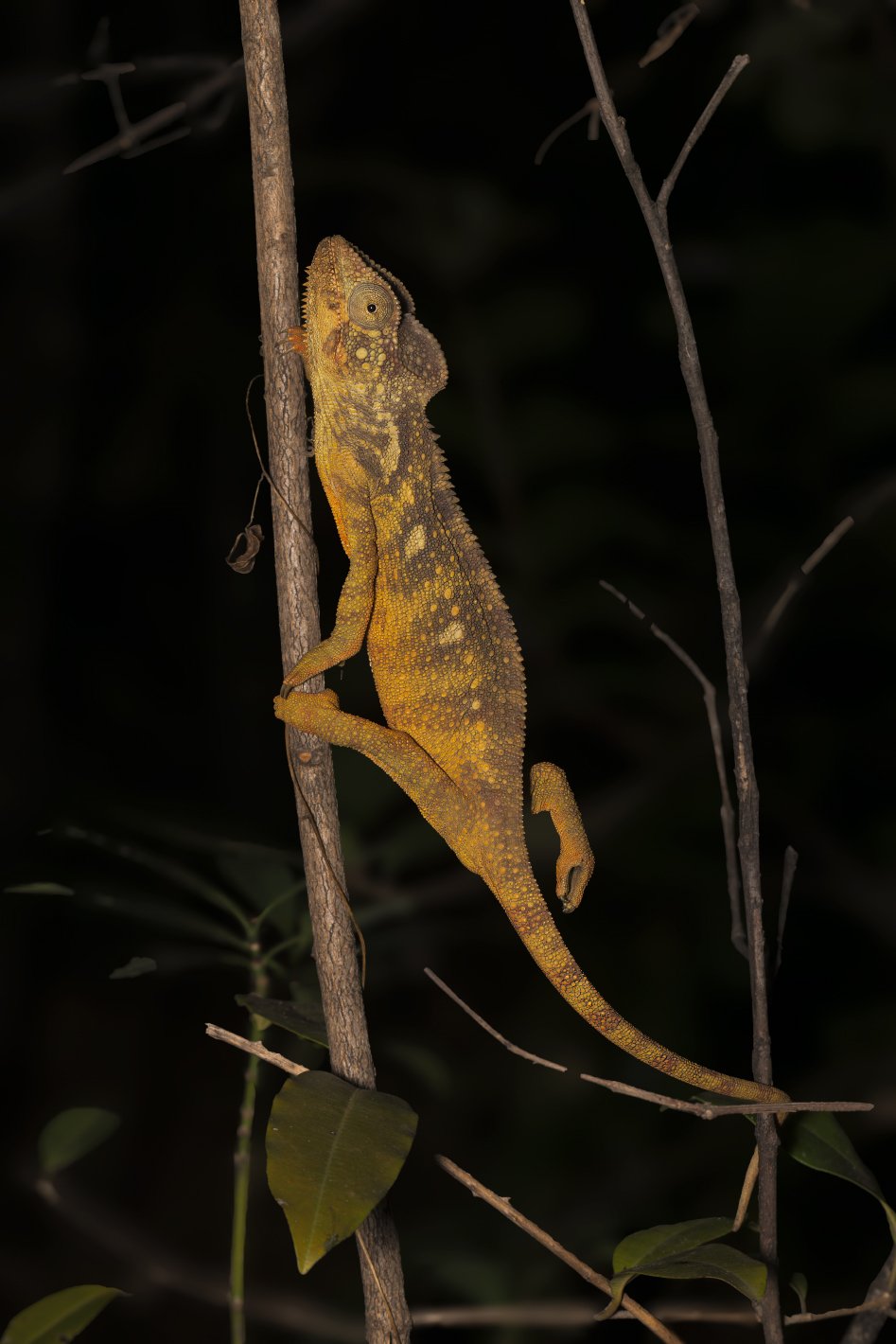
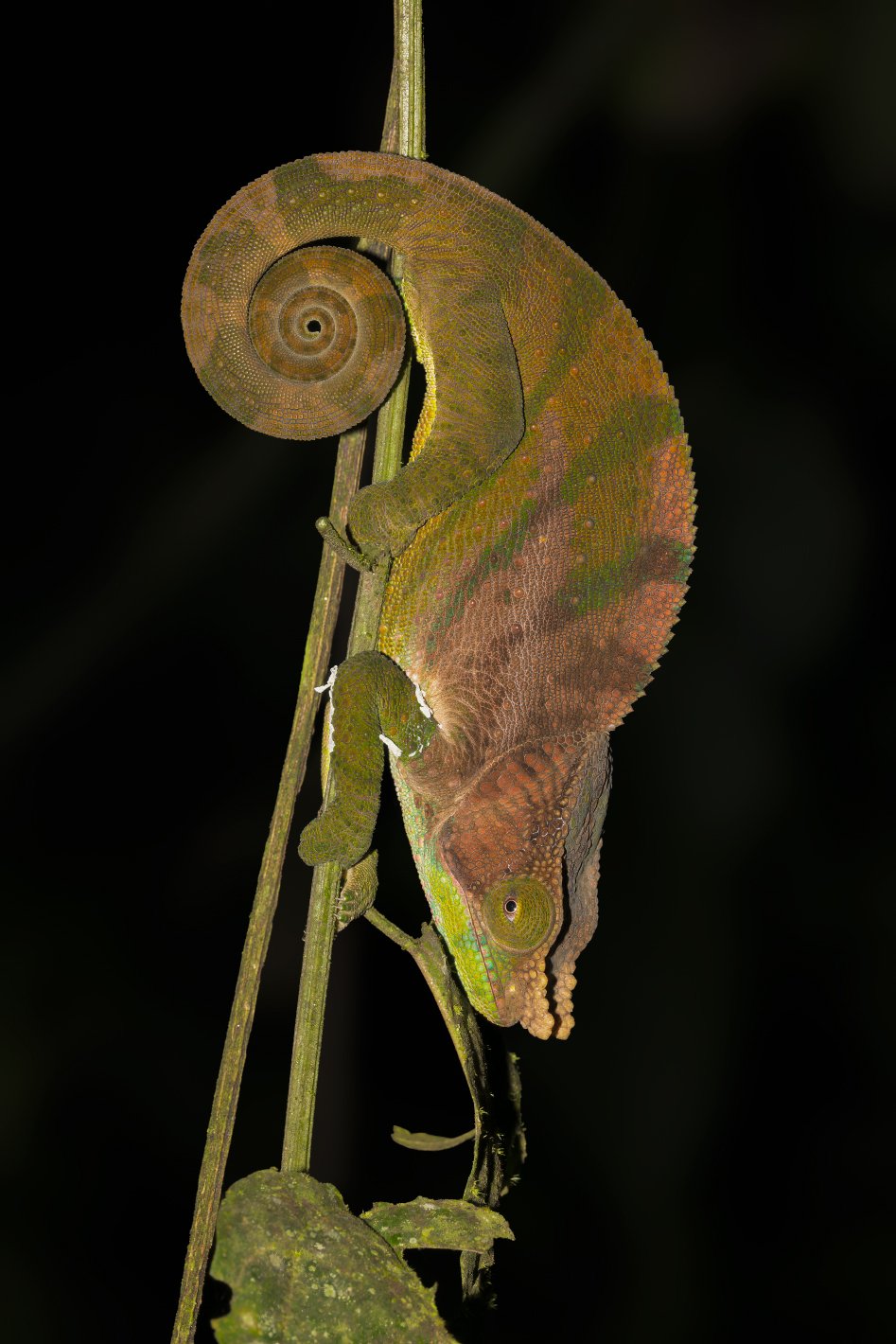
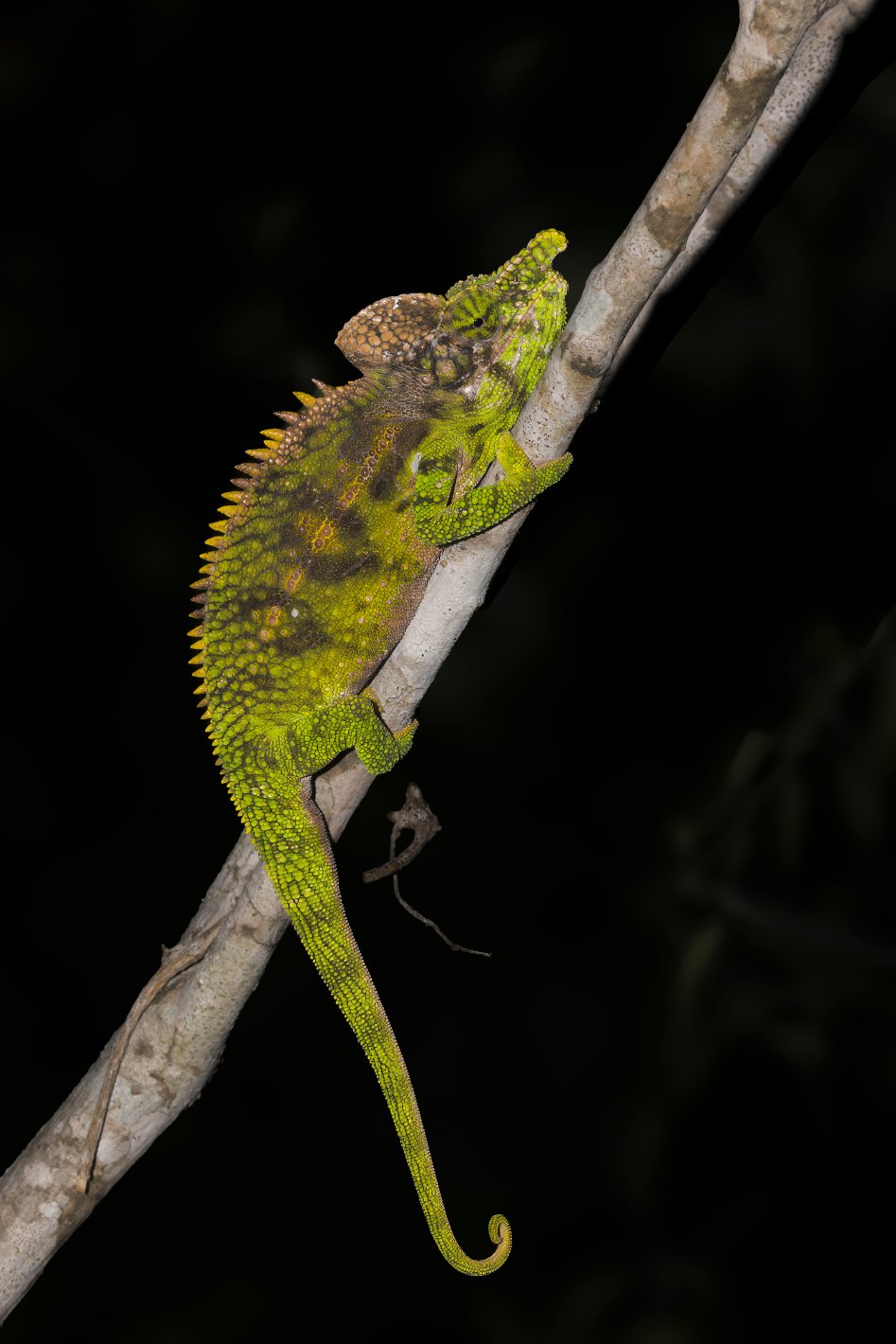
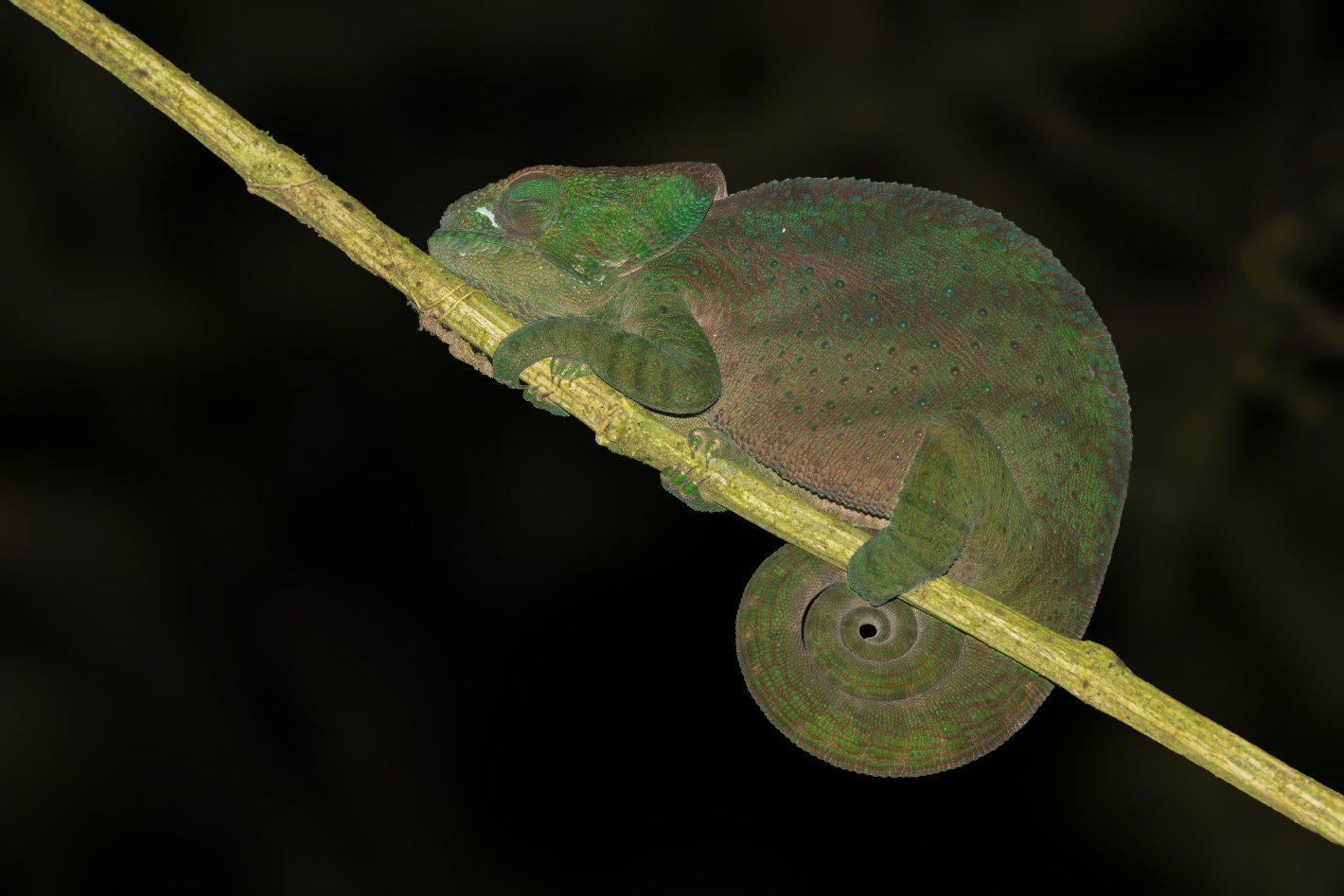
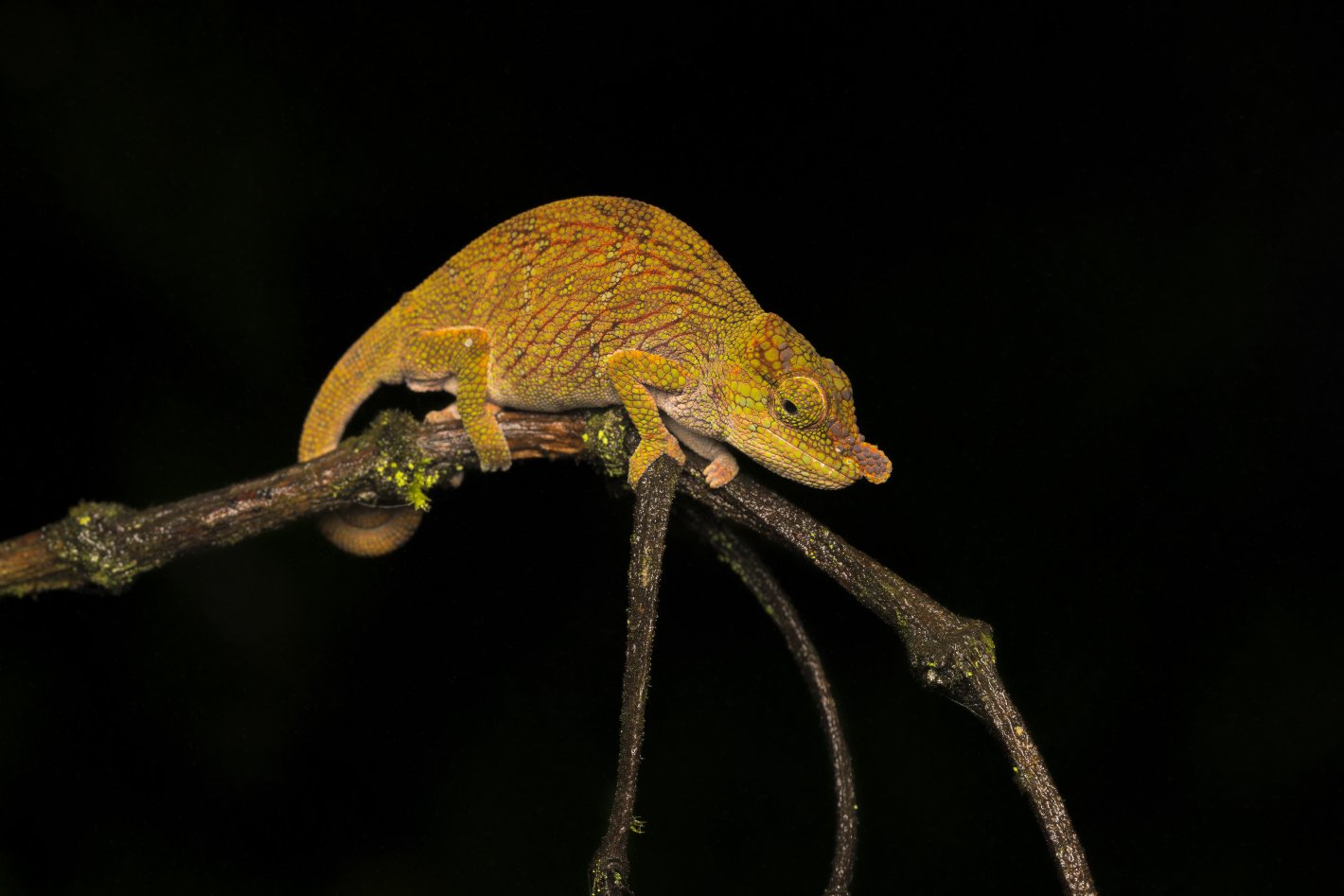
Yet it is after dark that Madagascar reveals one of its most intimate spectacles. Headlamps carve small circles of light through the darkness while insects fill the forest with an endless chorus. Once again my guide stops, pointing this time to the thinnest of branches. There, suspended above the trail, a chameleon sleeps. The vivid green of daylight has faded into a pale, almost ghostly white. It clings effortlessly to the branch with nothing more than its feet and its prehensile tail. At that moment photography becomes secondary. You simply watch. You breathe. You appreciate the privilege of witnessing a life that exists entirely independent of your presence.

Perhaps that is Madagascar's greatest lesson for anyone who loves the natural world. We are not the protagonists. We are visitors. The forest will continue long after we are gone—provided we allow it the chance. And this is where wonder gives way to responsibility. Every year Madagascar loses more of its forests. With them disappear habitats that have taken millions of years to evolve. Some chameleon species exist only within a few hectares of woodland. Lose that fragment of forest, and an entire evolutionary story may vanish forever. Protecting these remarkable animals is about far more than saving a species. It is about preserving a living library, written by nature long before humans ever arrived.

Back home, I look through my photographs once again. They capture the colours. The shapes. The perfection of an eye. The extraordinary texture of living skin. But they cannot capture the silence. They cannot capture those endless minutes spent searching for something that seemed not to exist. Nor can they capture the moment when the forest, almost compassionately, chooses to reveal one of its most extraordinary inhabitants. Perhaps that is why I already know I will return. To remind myself that nature does not reward those who try to possess it. It rewards those who are willing to wait. And among all the remarkable creatures of Madagascar, none teaches that lesson more beautifully than the chameleon. The silent keeper of one of the last forests where time still moves to the rhythm of the Earth.
Leave a comment

Tasto destro disabilitato. Immagini coperte da Copyright