0
iten
Il tuo carrello è vuoto

The Return of the Lesser Kestrel: a remarkable comeback across Italy’s skies.

The Return of the Lesser Kestrel: a remarkable comeback across Italy’s skies.

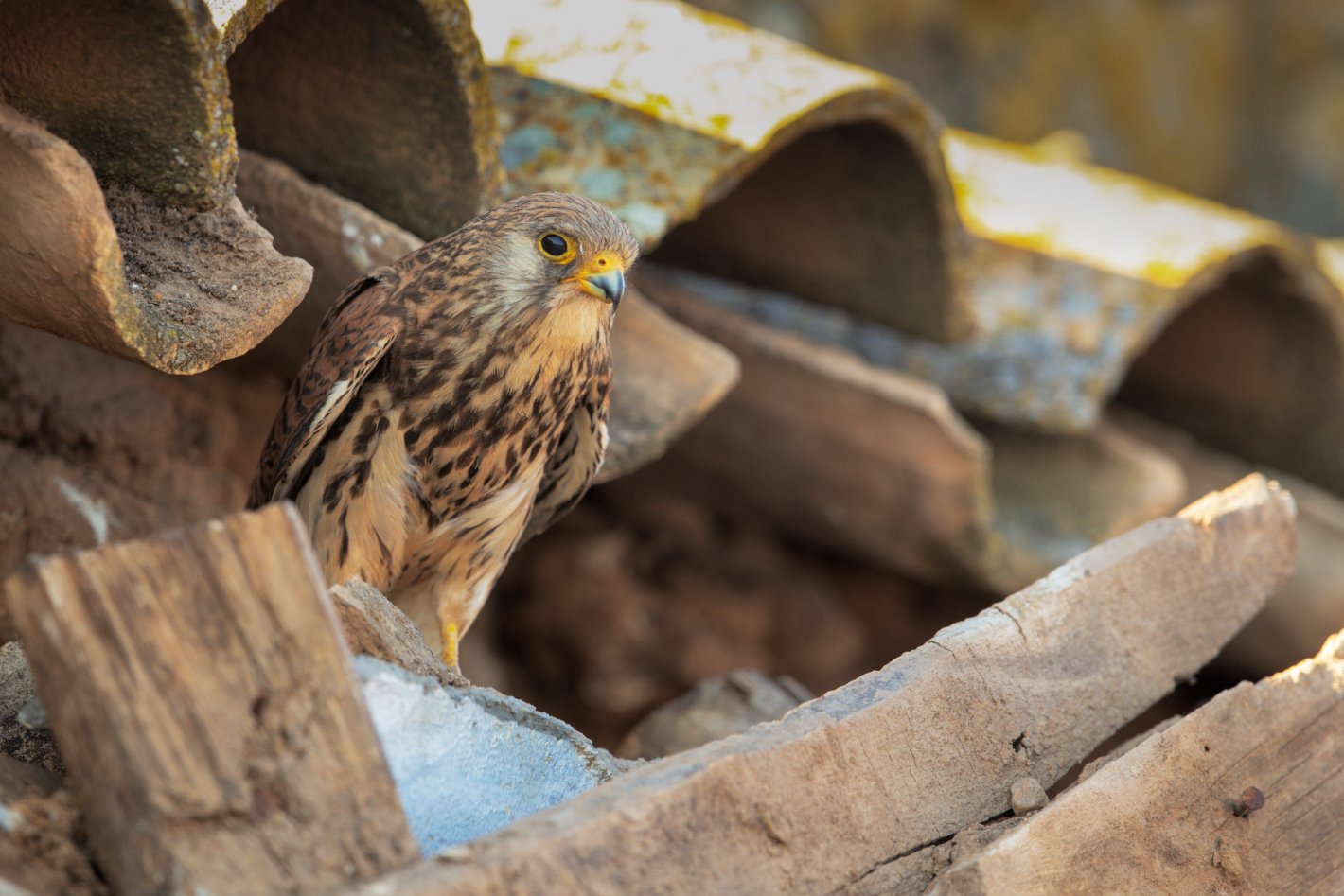
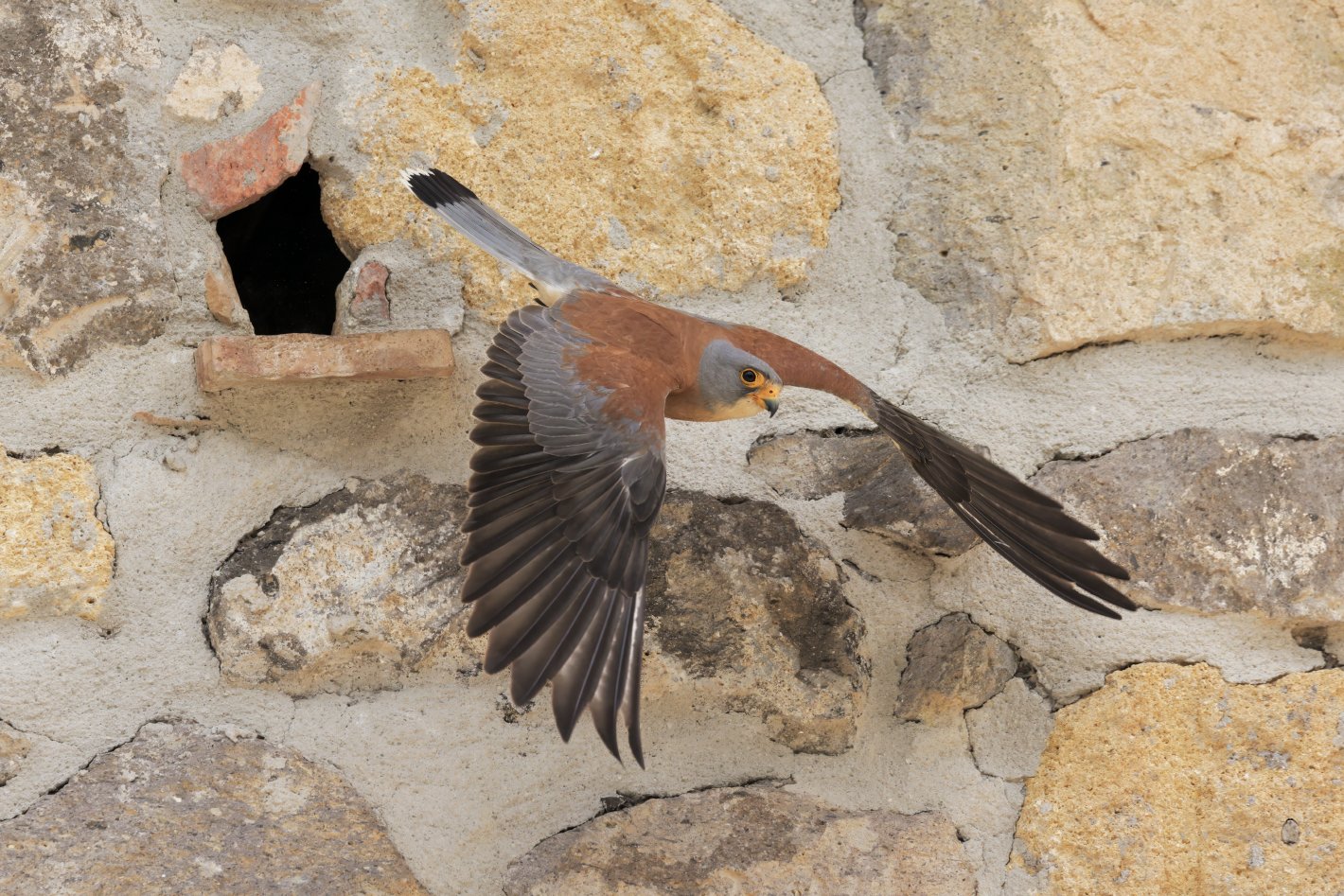
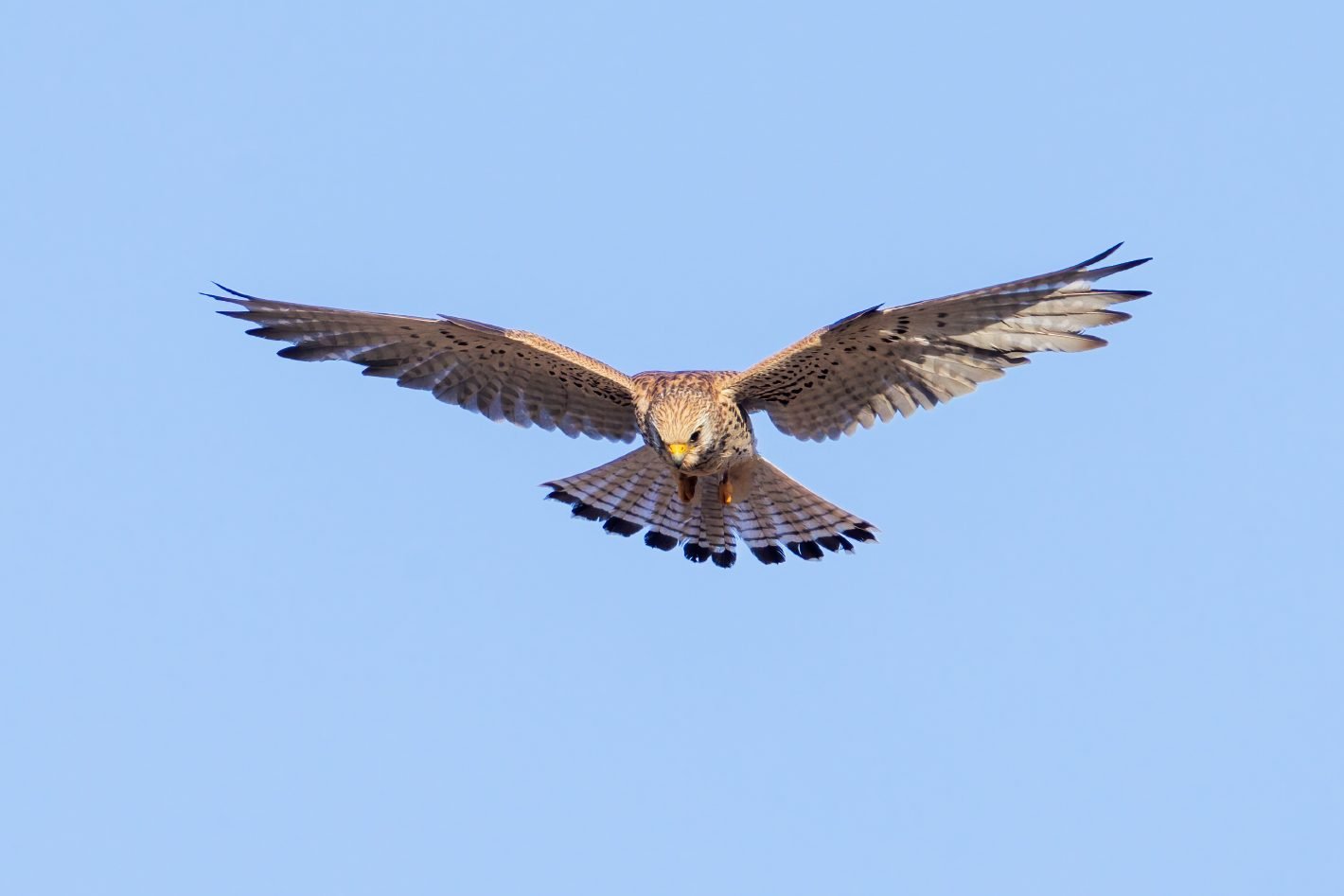
Lesser kestrel (Falco naumanni), female, Mignone valley, Tarquinia, Italy

On an early April morning, across Italy's cultivated countryside, you may notice a small falcon apparently suspended in mid-air. It hovers motionless for a few seconds before suddenly dropping toward the ground in a swift, precise dive. At first glance it resembles the Common Kestrel, but it is in fact the Lesser Kestrel (Falco naumanni), one of the Mediterranean's most elegant birds of prey. Over the past few decades, this charismatic falcon has become the protagonist of one of the most remarkable wildlife recovery stories in Italy.

For many years the Lesser Kestrel was regarded as a species in serious decline. Intensive agriculture, the disappearance of dry grasslands, the abandonment of traditional farming practices, and the restoration of historic buildings without consideration for wildlife had dramatically reduced its breeding opportunities. By the 1970s and 1980s, the species seemed destined to retreat into a handful of strongholds in southern Italy.

Yet nature has an extraordinary ability to recover when the right conditions are restored.

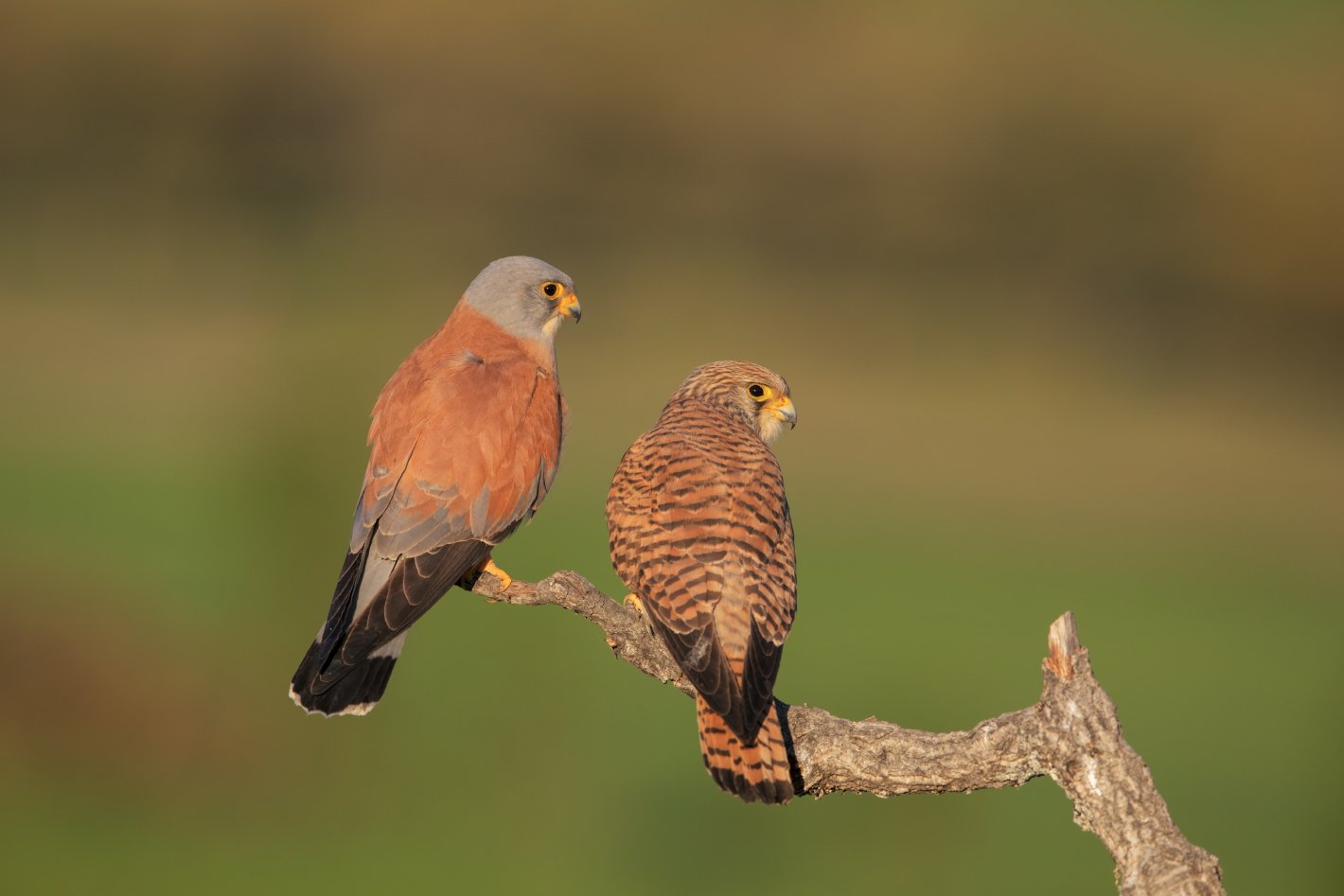
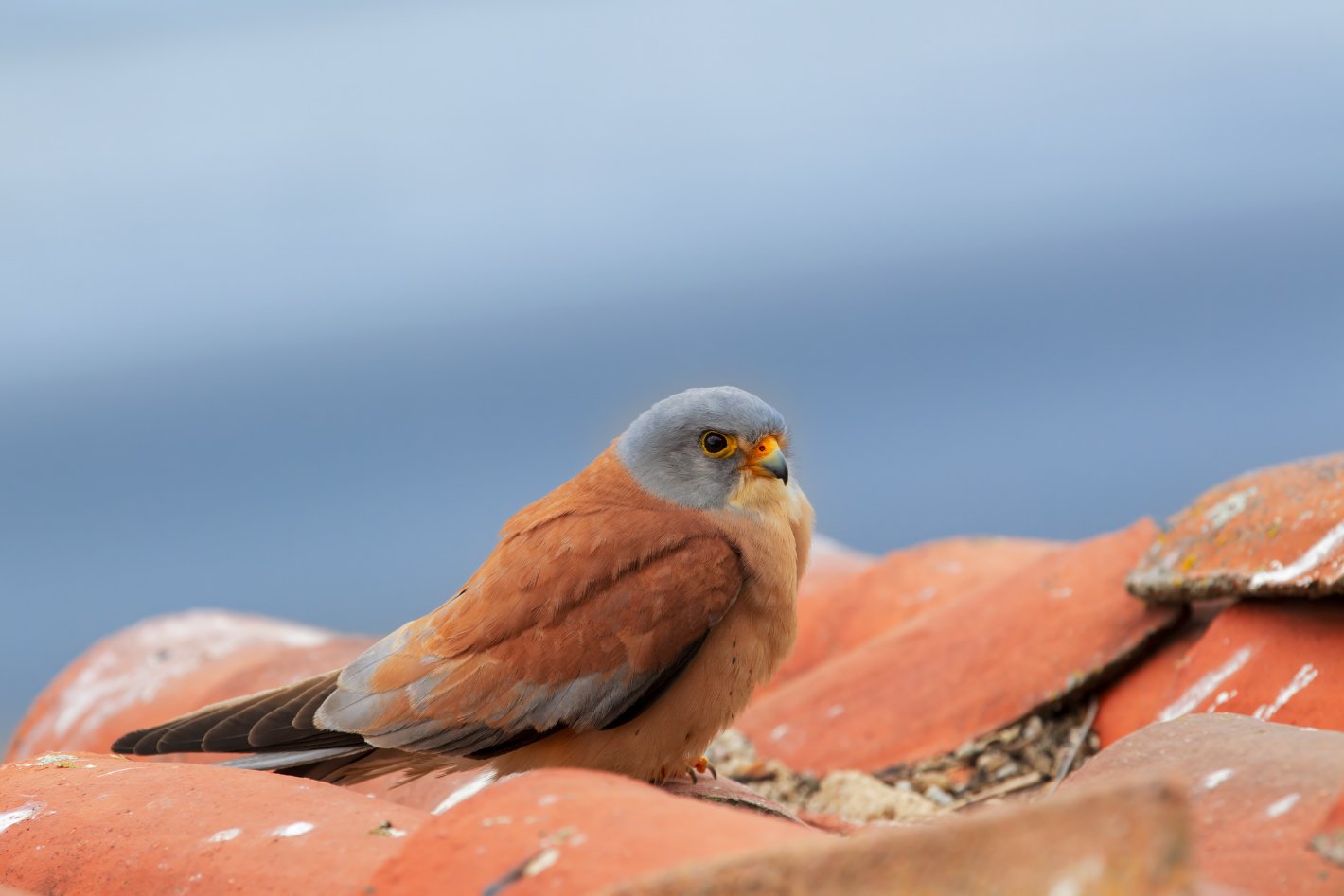
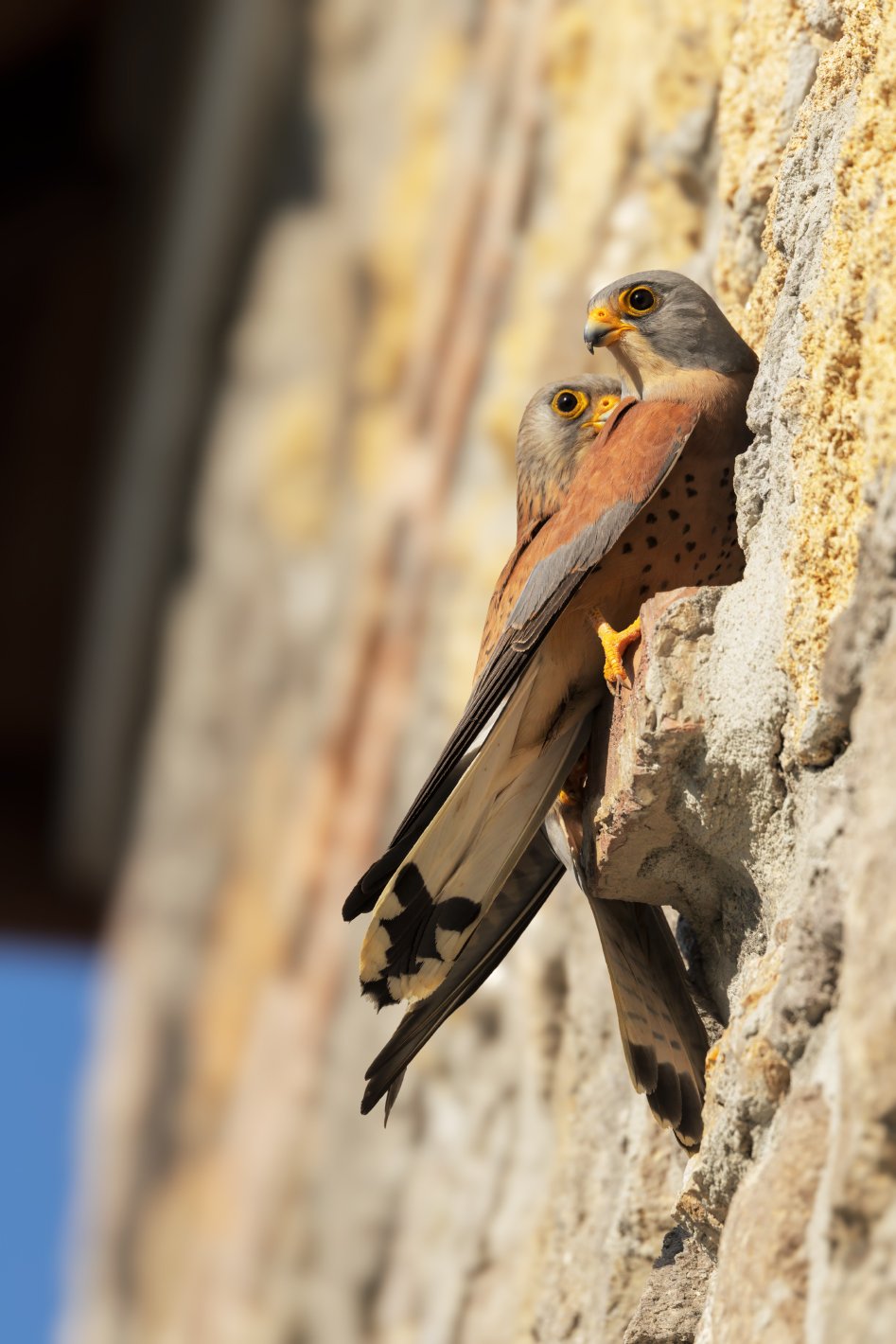
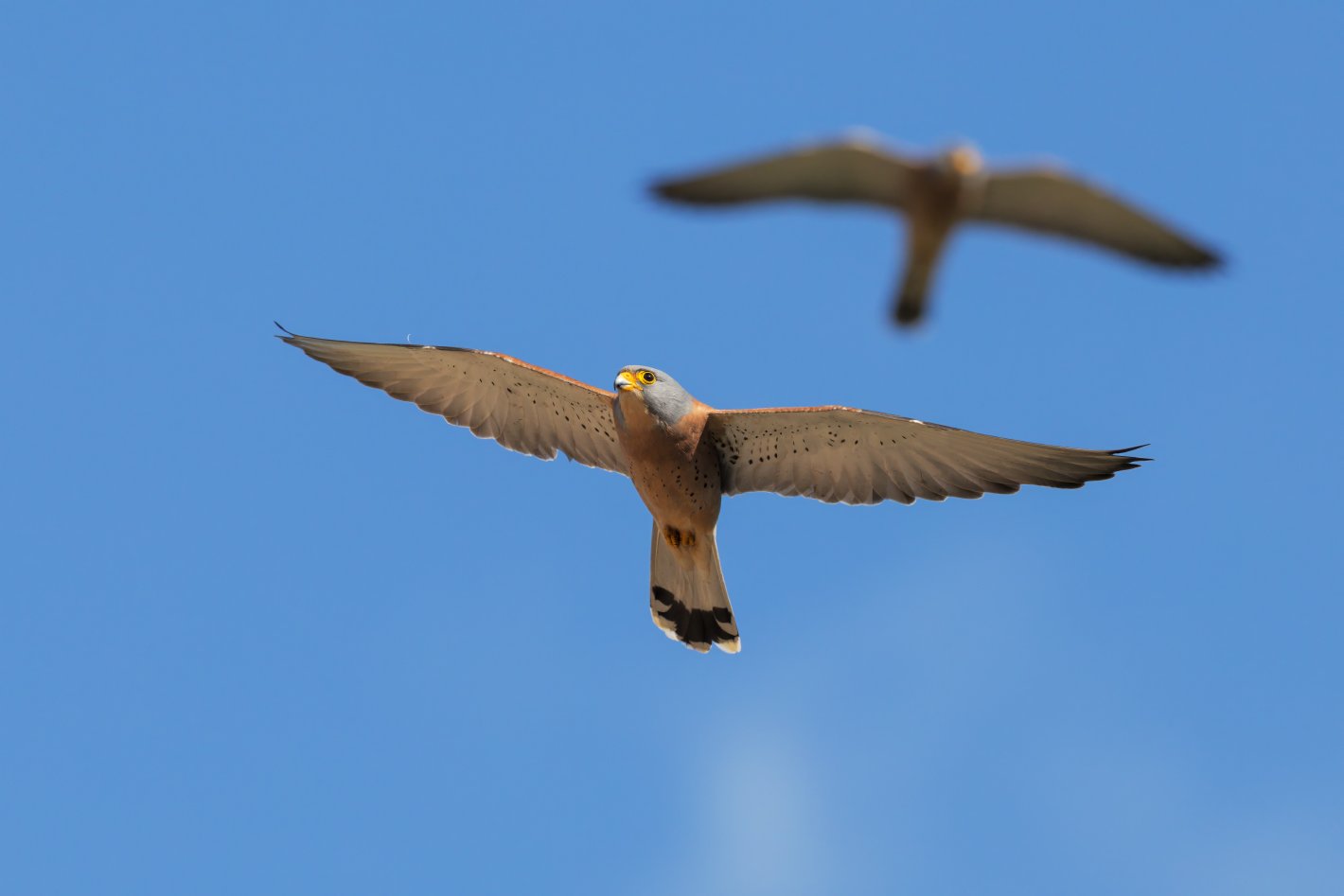
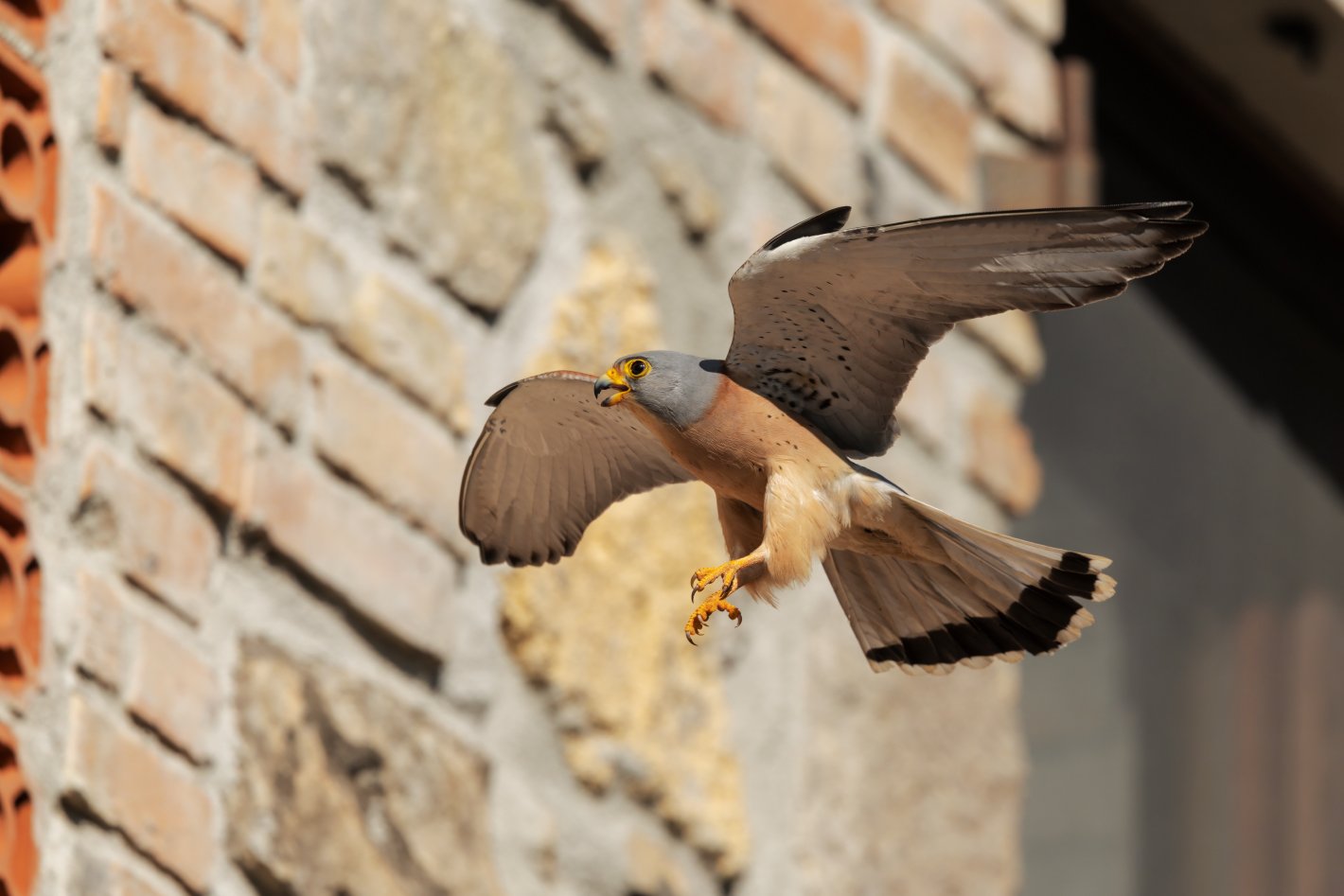
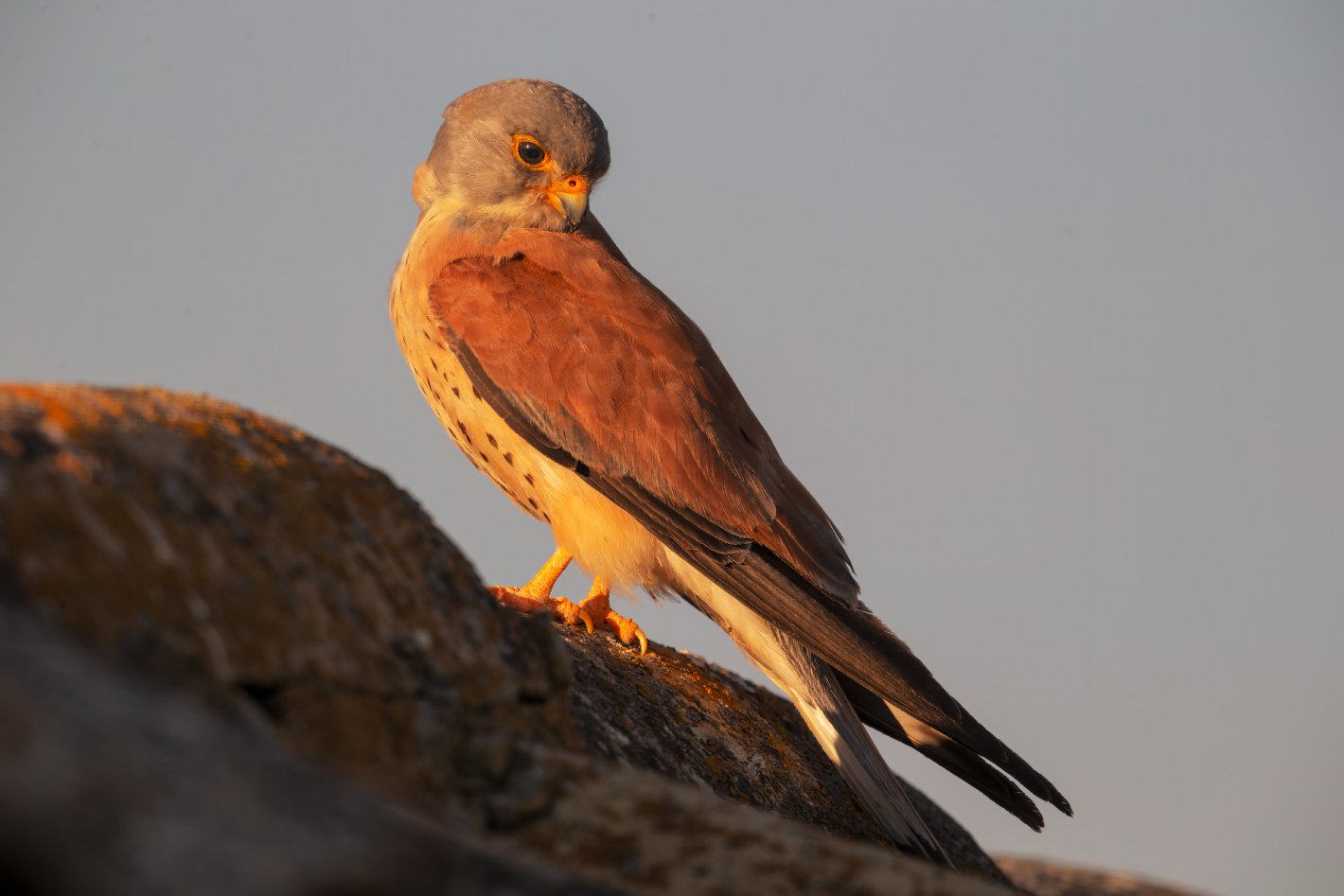
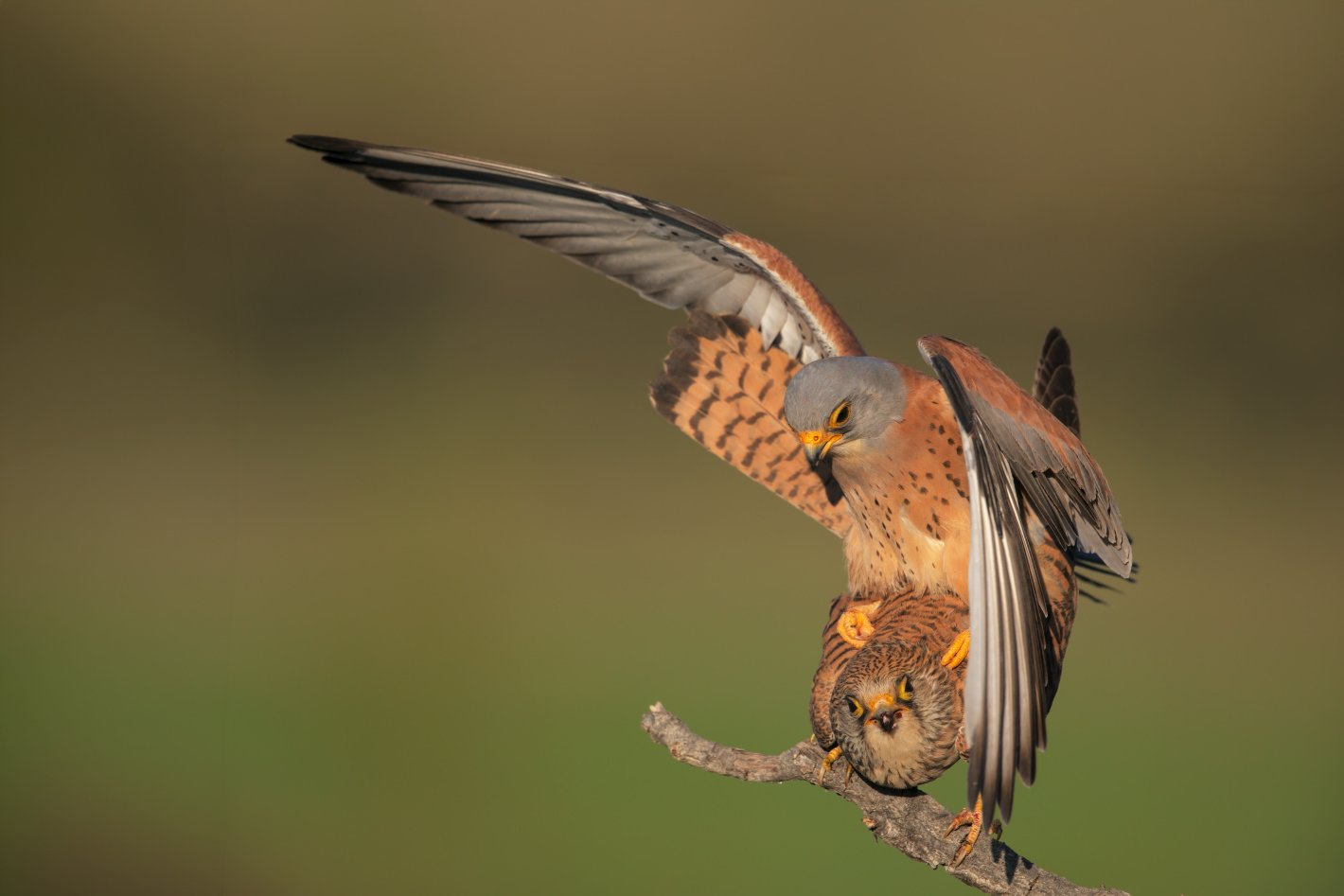
The Lesser Kestrel is a small falcon, measuring only about 30 cm in length with a wingspan of just over 70 cm. Adult males are instantly recognizable by their warm chestnut back, pale blue-grey head, and sharply pointed wings, giving them an exceptionally graceful silhouette in flight. Females are more cryptically coloured, with finely barred brown plumage that blends perfectly with the tones of open farmland.

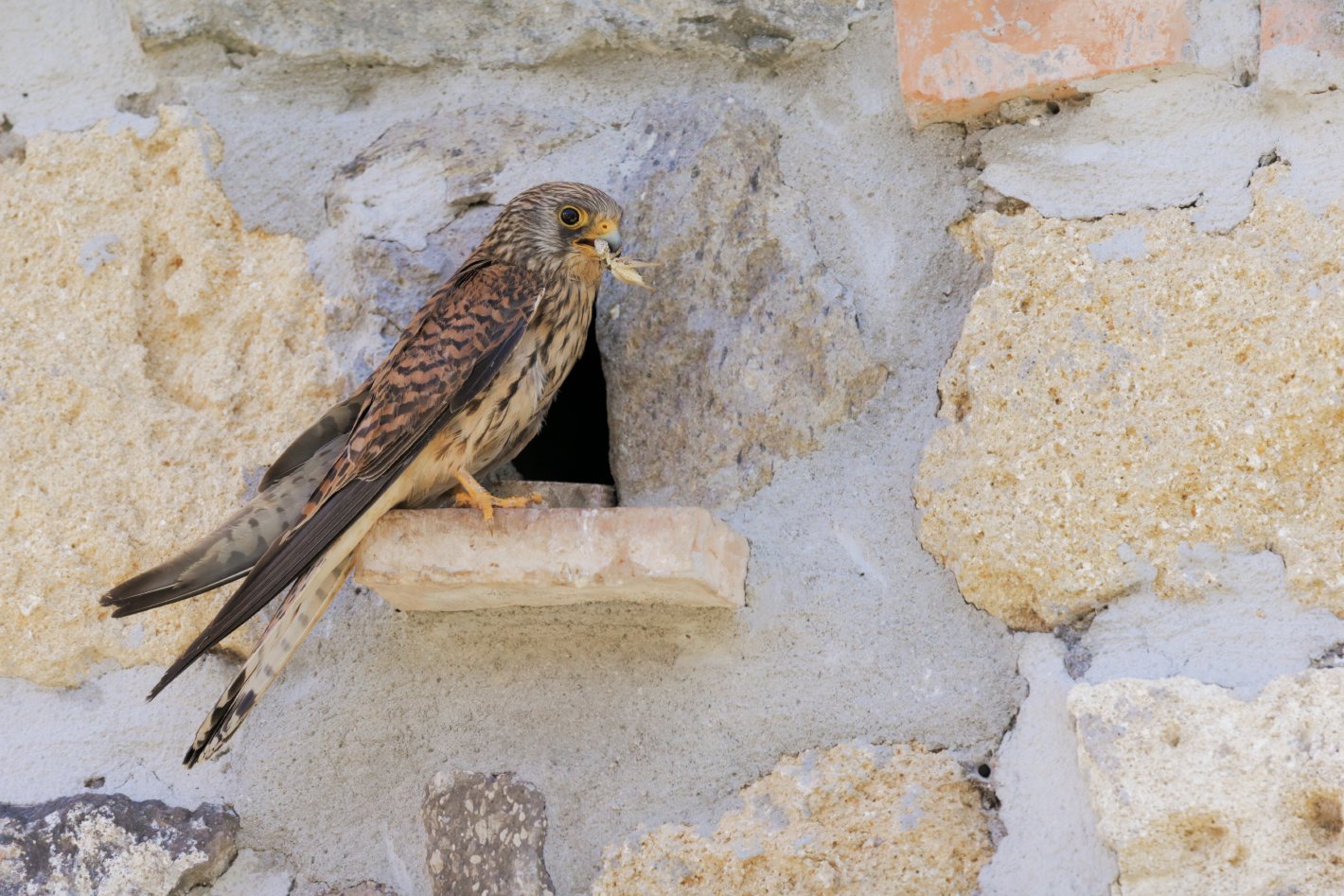
Its diet reveals much about its ecological role. Unlike many other falcons, the Lesser Kestrel feeds primarily on large insects. Grasshoppers, crickets, beetles and other orthopterans make up most of its summer diet, while small rodents, lizards and passerine birds are taken only occasionally. This specialization makes the species closely dependent on traditional agricultural landscapes where insect diversity remains high.

Each year the Lesser Kestrel undertakes an impressive migration. It spends the winter in sub-Saharan Africa before crossing the Mediterranean between March and April to reach its European breeding grounds. Its arrival coincides with the awakening of the countryside, when rising temperatures trigger an explosion of insect life.

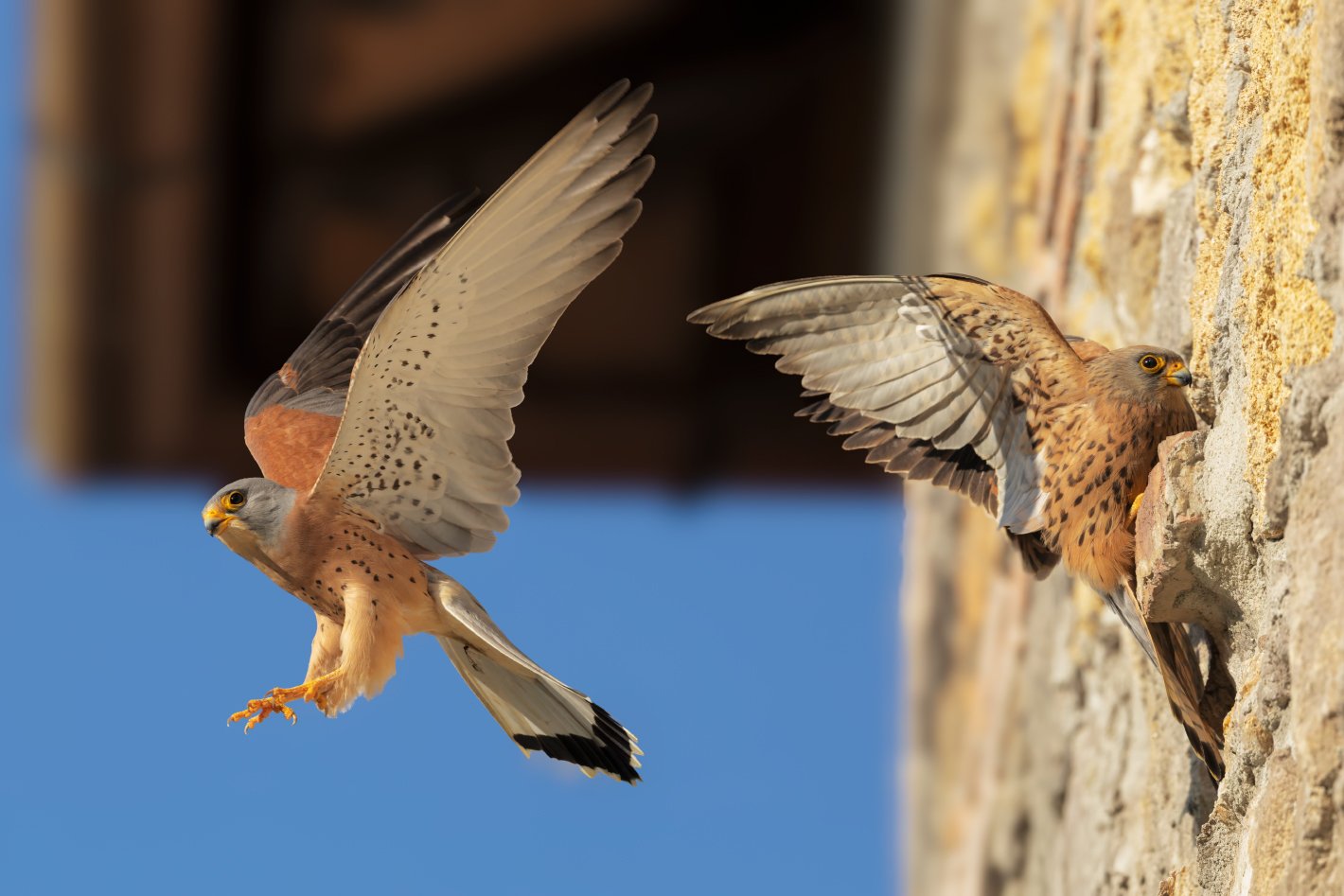
For centuries the species has lived alongside people. Rather than building its own nest, it occupies cavities in cliffs, old farmhouses, church towers, abandoned buildings and the roofs of historic villages. Colonies may contain anything from a handful to several hundred breeding pairs, creating lively communities where the constant calls of adults fill the air throughout the breeding season.

Italy's historical stronghold lies in the limestone landscapes of Apulia and Basilicata. The cities of Matera, Altamura, Gravina in Puglia and many towns throughout Basilicata still support some of Europe's largest breeding colonies. In these regions the Lesser Kestrel has become an emblem of both the natural and cultural landscape, particularly in Matera, where it is now considered part of the identity of the famous Sassi district.

During the past twenty years, however, the story has taken an unexpected turn.

Conservation programmes, the installation of nest boxes, the protection of historic buildings and growing awareness of the importance of low-intensity farming have all contributed to a slow but steady increase in the population. At the same time, young birds raised in the traditional colonies began exploring new territories.

As a result, the Lesser Kestrel has started to recolonize parts of its former range where it had disappeared decades earlier.

New breeding colonies have appeared in areas where the species had either been absent for generations or had never established stable populations.
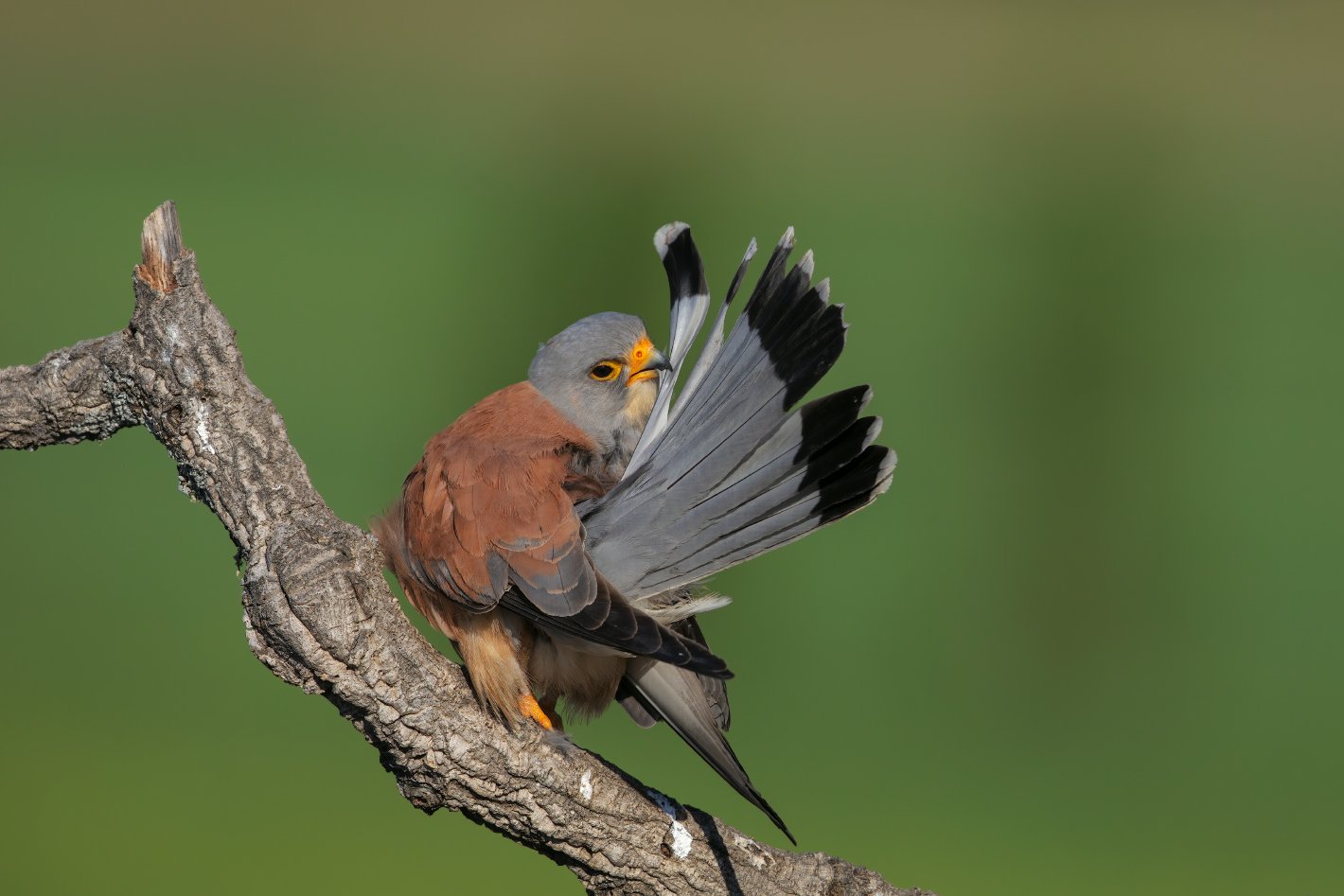
The Lazio region provides one of the most fascinating examples of this expansion. The first summering birds were observed in the early 2000s around Tarquinia and the Tolfa Mountains. In 2011, after years during which many ornithologists had almost given up hope, Dutch naturalist Steven Hueting, through remarkable patience and perseverance, documented the first confirmed breeding record in the Mignone Valley, where a pair nested in an old rural farmhouse.

The story of that farmhouse is particularly inspiring. After standing abandoned for nearly forty years, it was purchased by Bianca and Roberto, who intended to restore it as a bed and breakfast. Passionate about nature and encouraged by Steven Hueting's advice, they made an unusual decision during the renovation: instead of sealing the holes in the external walls, they left them open because they were being used as nesting sites by the falcons.

In honour of their feathered residents, they named the property Villa Naumanni. The Lesser Kestrels continued breeding successfully within the walls, and with the addition of specially designed nest boxes the colony steadily expanded. Today, Villa Naumanni supports more than 27 breeding pairs and has become a privately managed protected area recognised by the European LIFE EPCN Project. It is now a popular destination for birdwatchers, photographers and wildlife enthusiasts, who can enjoy exceptional close views of these beautiful little falcons in complete tranquillity. (https://villanaumanni.it/)

The success of the colony has also contributed to the establishment of a stable breeding population in the nearby historic centre of Tarquinia, providing further evidence that the recolonisation of central Italy is continuing.

From an ecological perspective, this expansion is highly significant. It demonstrates that suitable agricultural landscapes capable of supporting a highly specialised species still exist. Wherever Lesser Kestrels return, one usually finds a mosaic of traditional crops, permanent grasslands, pastures and uncultivated areas rich in insect life. Their presence therefore serves as an excellent indicator of environmental quality.

Nevertheless, the species still faces considerable challenges.

The abandonment of traditional farming, increasing pesticide use, the widespread decline of insects and pollinators, and ongoing urban development all remain significant threats. Climate change may further alter prey availability and disrupt the delicate synchrony between the birds' spring arrival and the seasonal peak in insect abundance.

Despite these pressures, the Lesser Kestrel continues to demonstrate remarkable resilience.

Wherever suitable nesting sites and healthy farmland remain available, new colonies can establish themselves within only a few years. Few species illustrate so clearly how wildlife can adapt to changing landscapes—provided people choose coexistence over exclusion. The species' expansion is continuing today, with new breeding nuclei becoming established in Emilia-Romagna, aided by the installation of numerous artificial nest boxes.

Watching a Lesser Kestrel in flight is to witness a perfect lesson in balance. Every wingbeat reflects the ancient relationship between farming and biodiversity, between rural architecture and wildlife, between long-distance migration and fidelity to traditional breeding grounds.

The recovery of the Lesser Kestrel in Italy represents far more than the success of a protected species. It demonstrates that conservation works when science, land management and local communities pursue the same goal.

Perhaps that is the greatest lesson this small African migrant brings back each spring: nature does not ask us to turn back the clock. It simply asks that we leave enough room for life to continue taking wing.

Tasto destro disabilitato. Immagini coperte da Copyright