iten

Nudibranchs: The Living Jewels of the Ocean

Nudibranchs: The Living Jewels of the Ocean

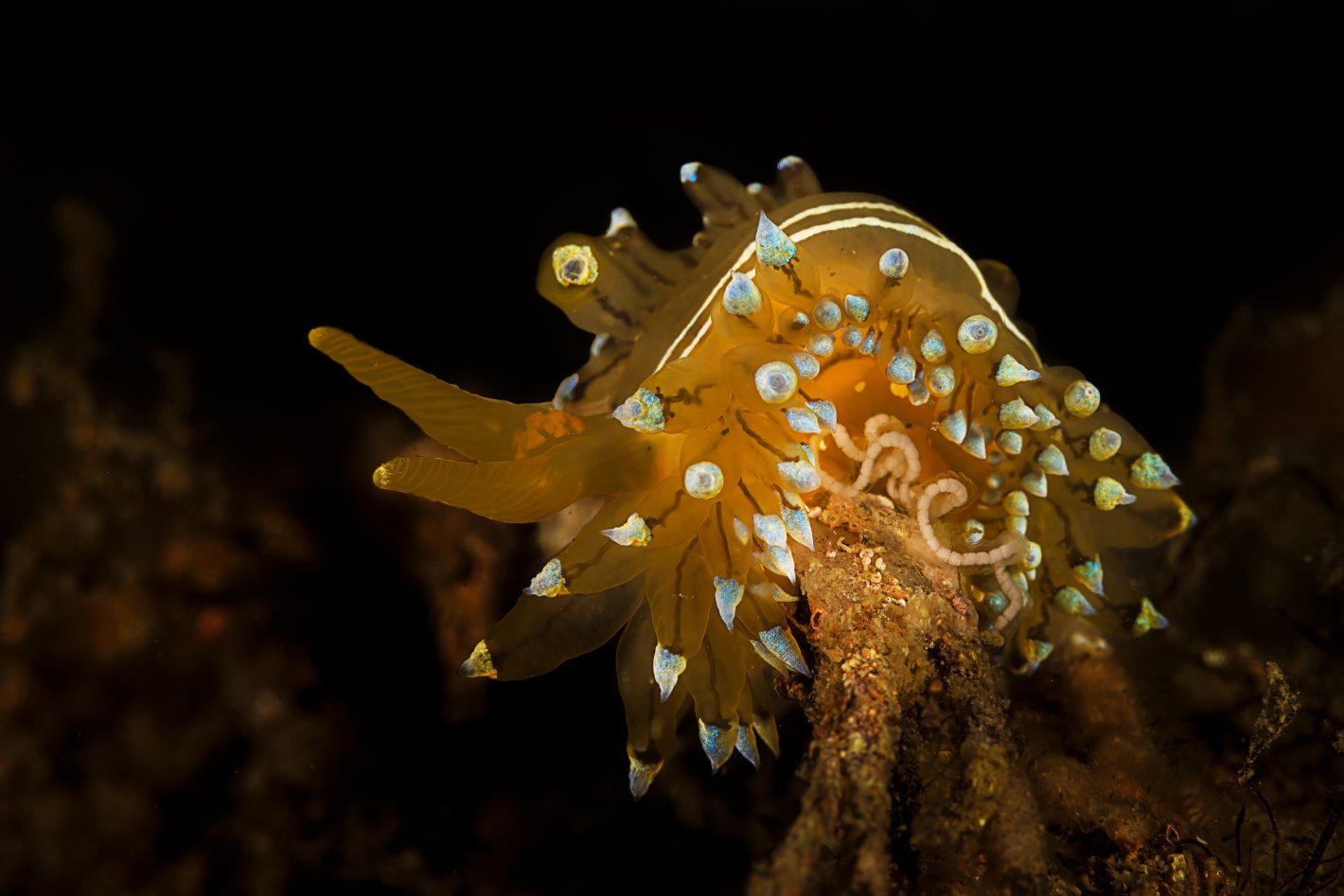
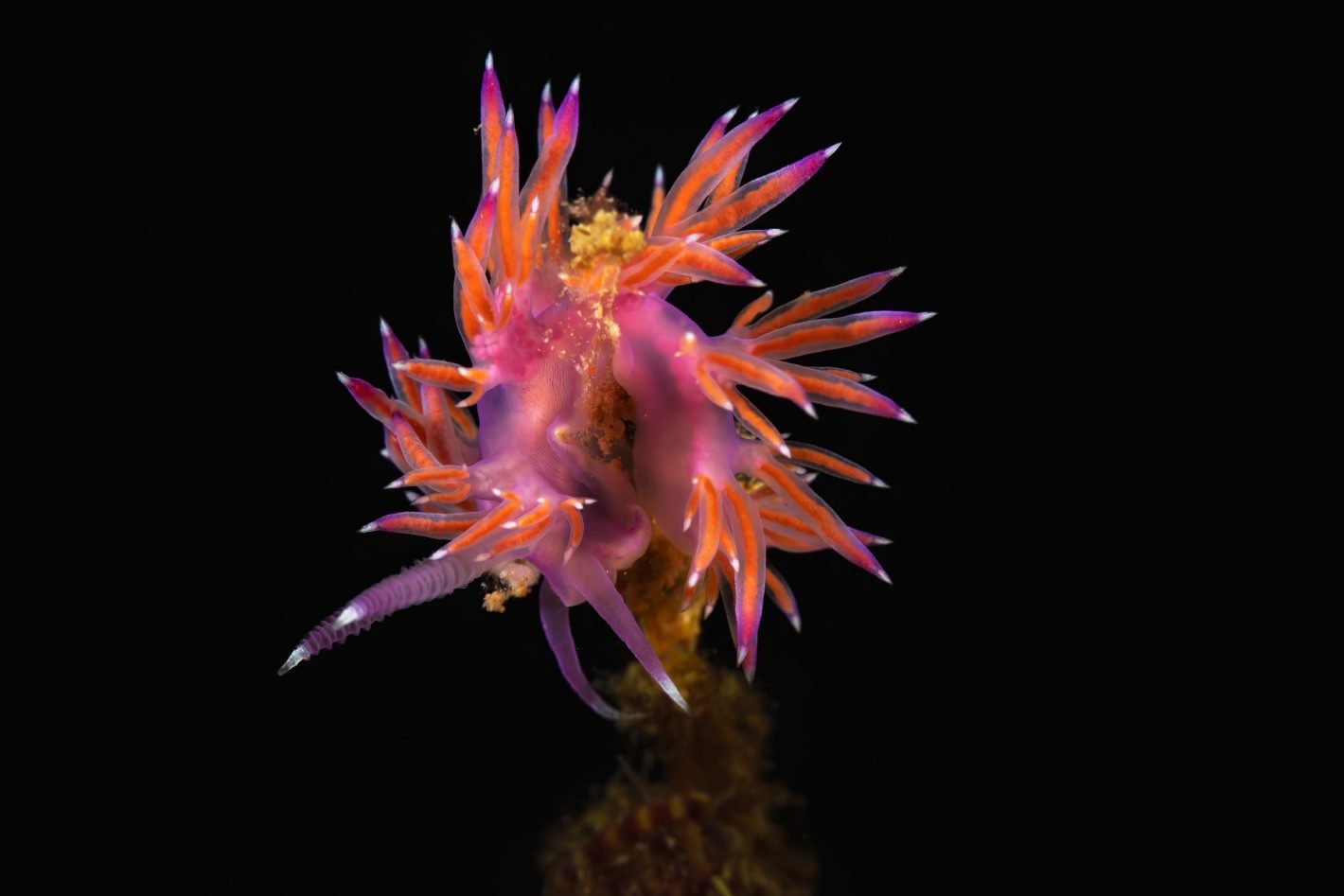
Nudibranco ( Flabellina affinis) ,Civitavecchia, Mediterranean sea, Italy

The sea never reveals its secrets to those who rush. It rewards those who slow their breathing, perfect their buoyancy, and allow their eyes to truly see. Only then, among the delicate branches of a hydroid, along the edge of a sponge, or resting on a colony of soft corals, does a creature appear that seems almost extraterrestrial.

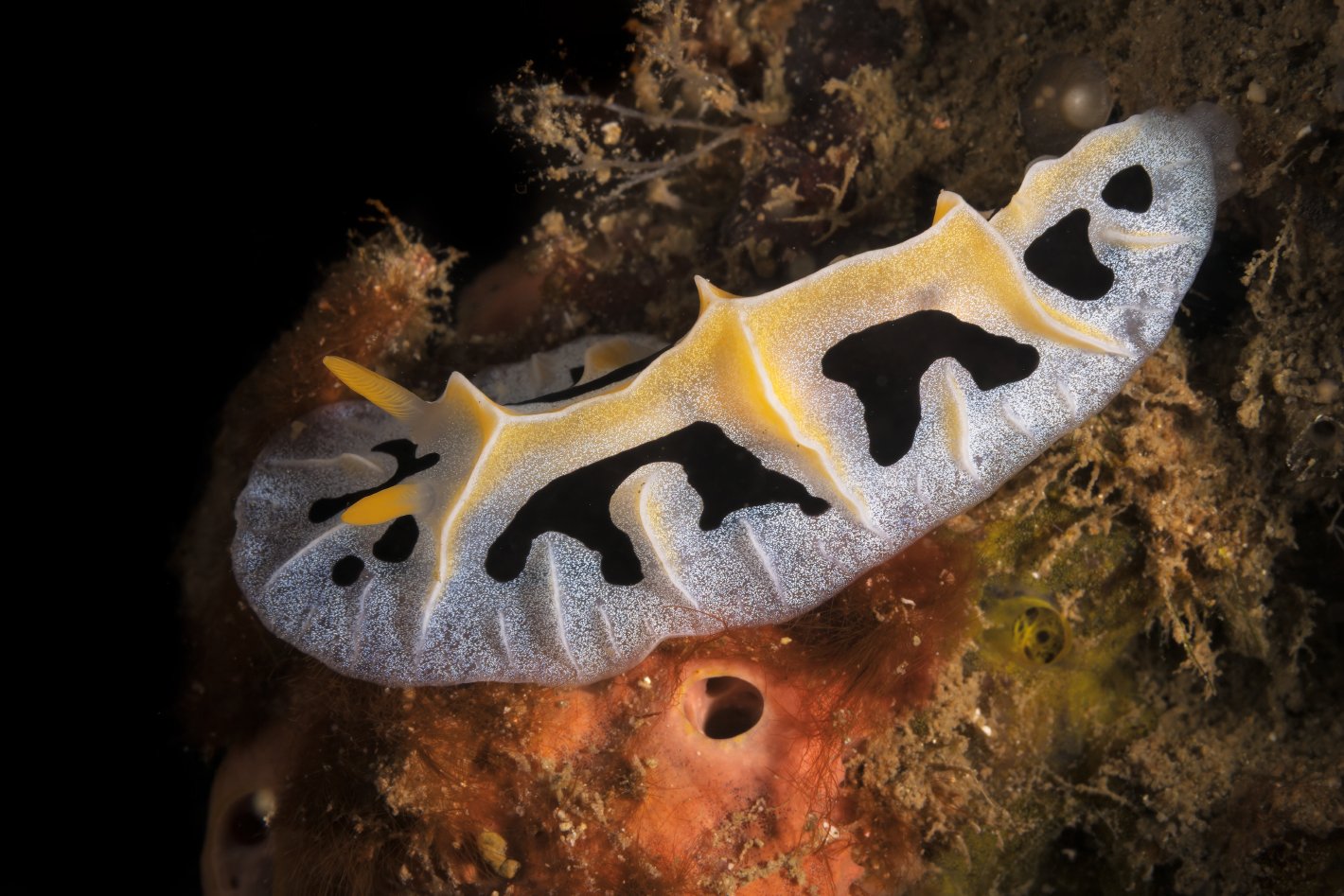
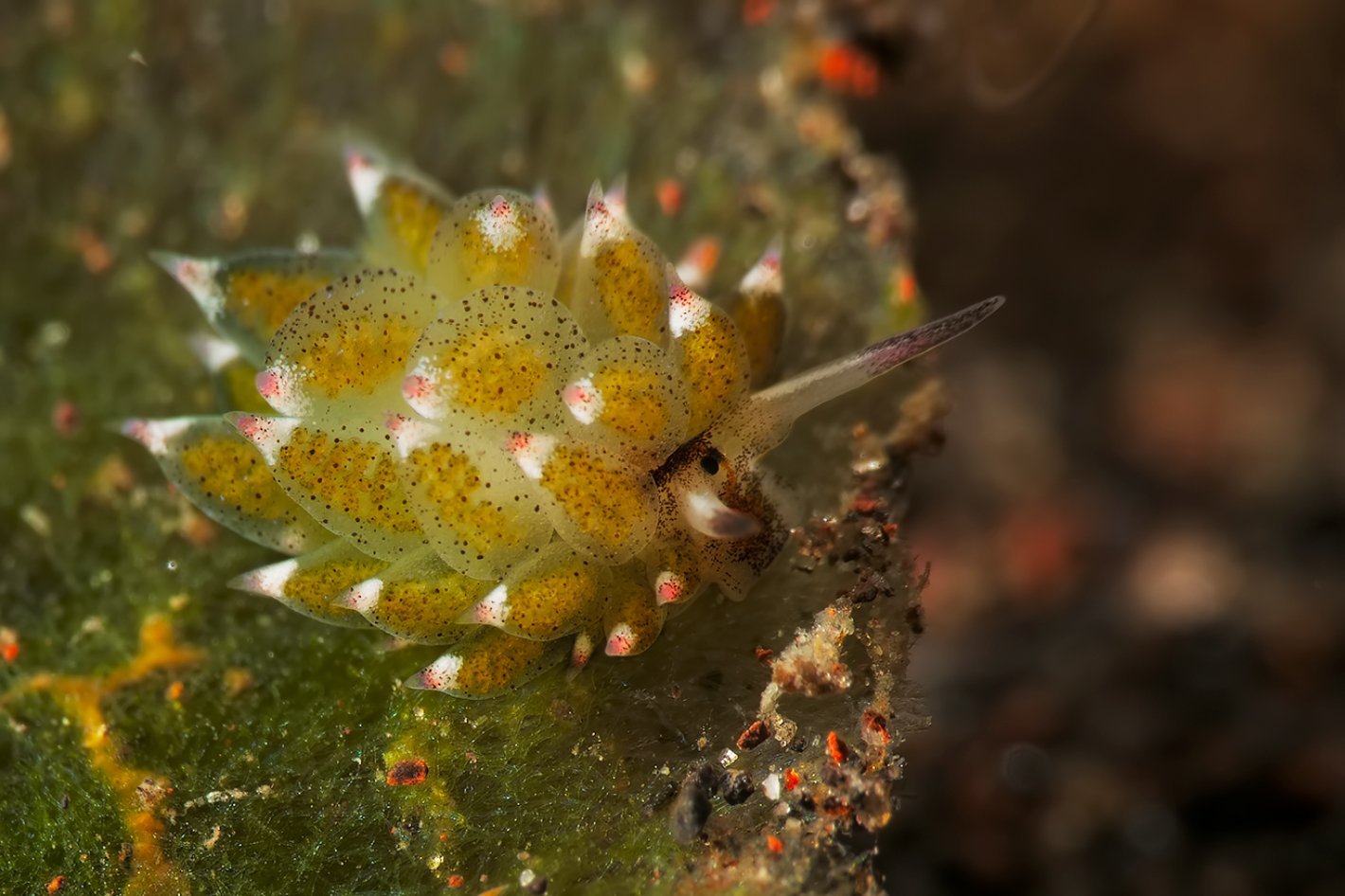
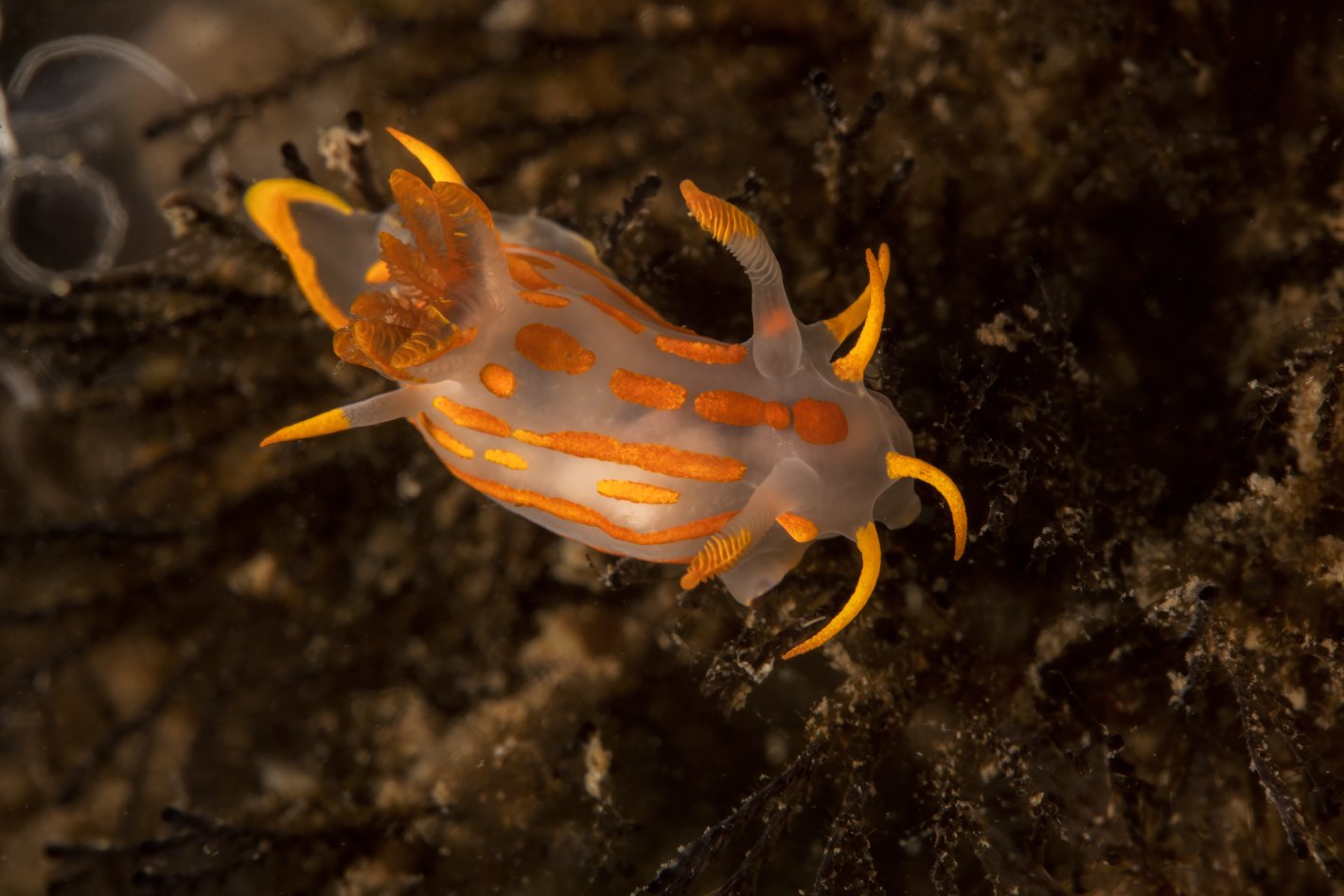
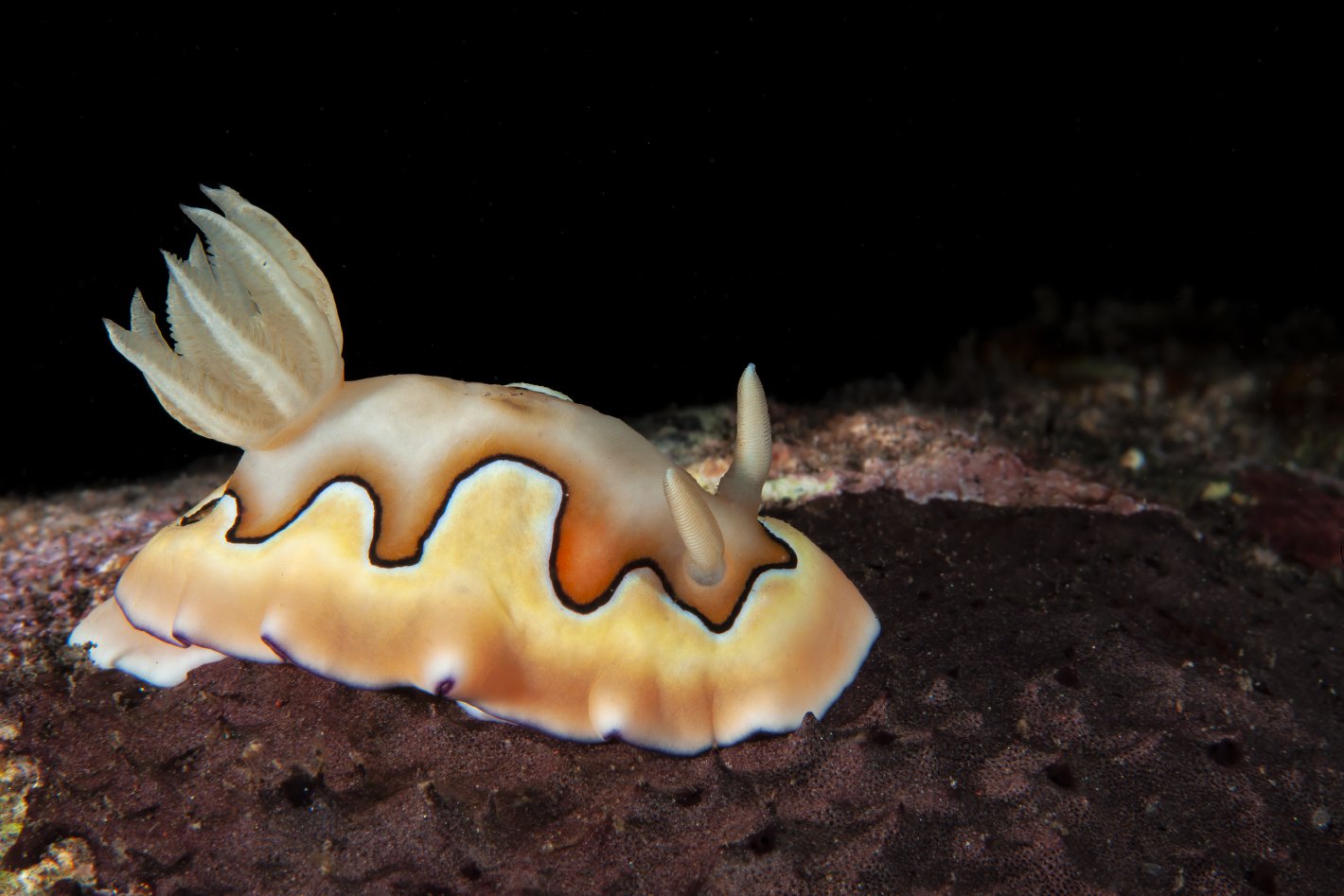
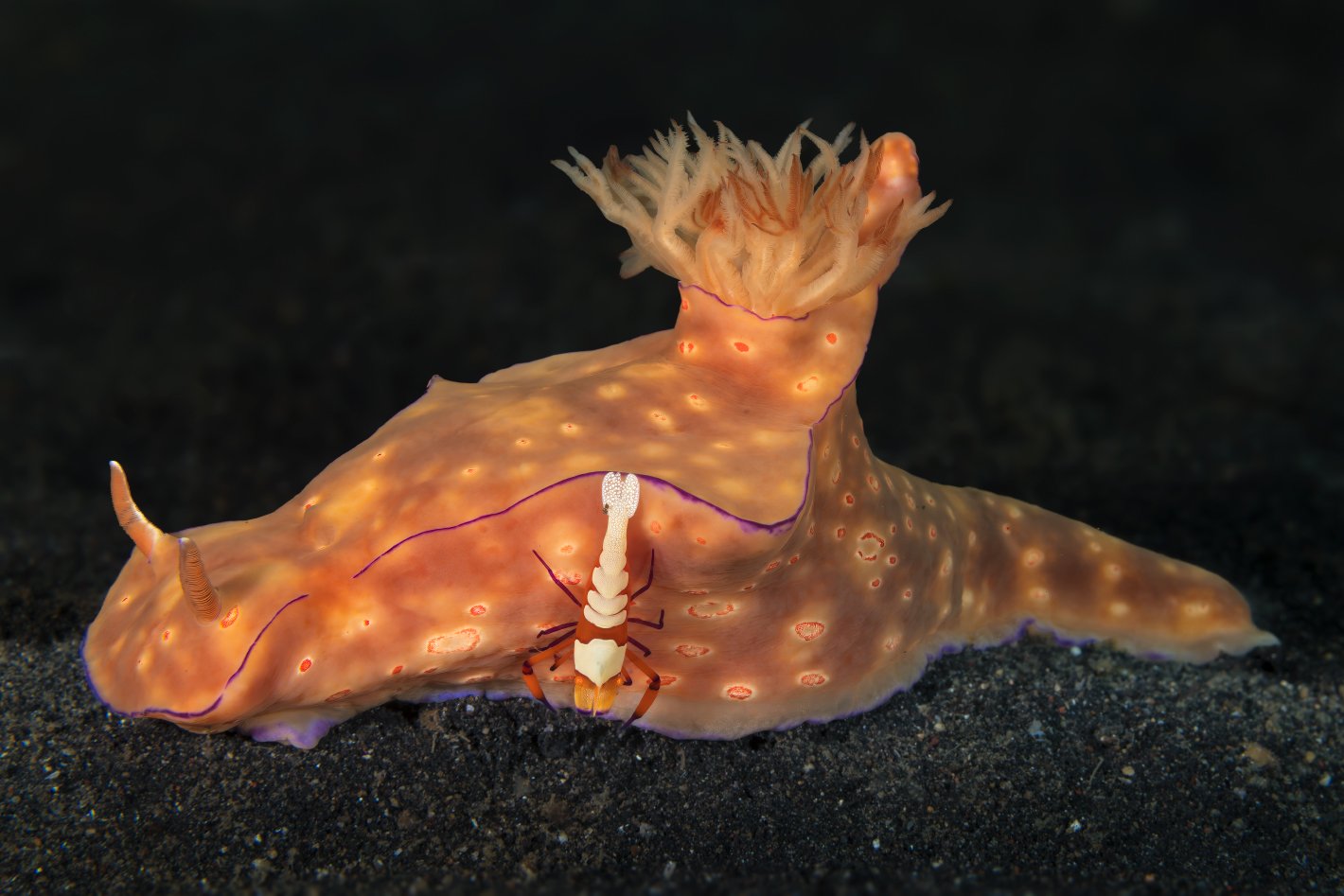
A nudibranch.

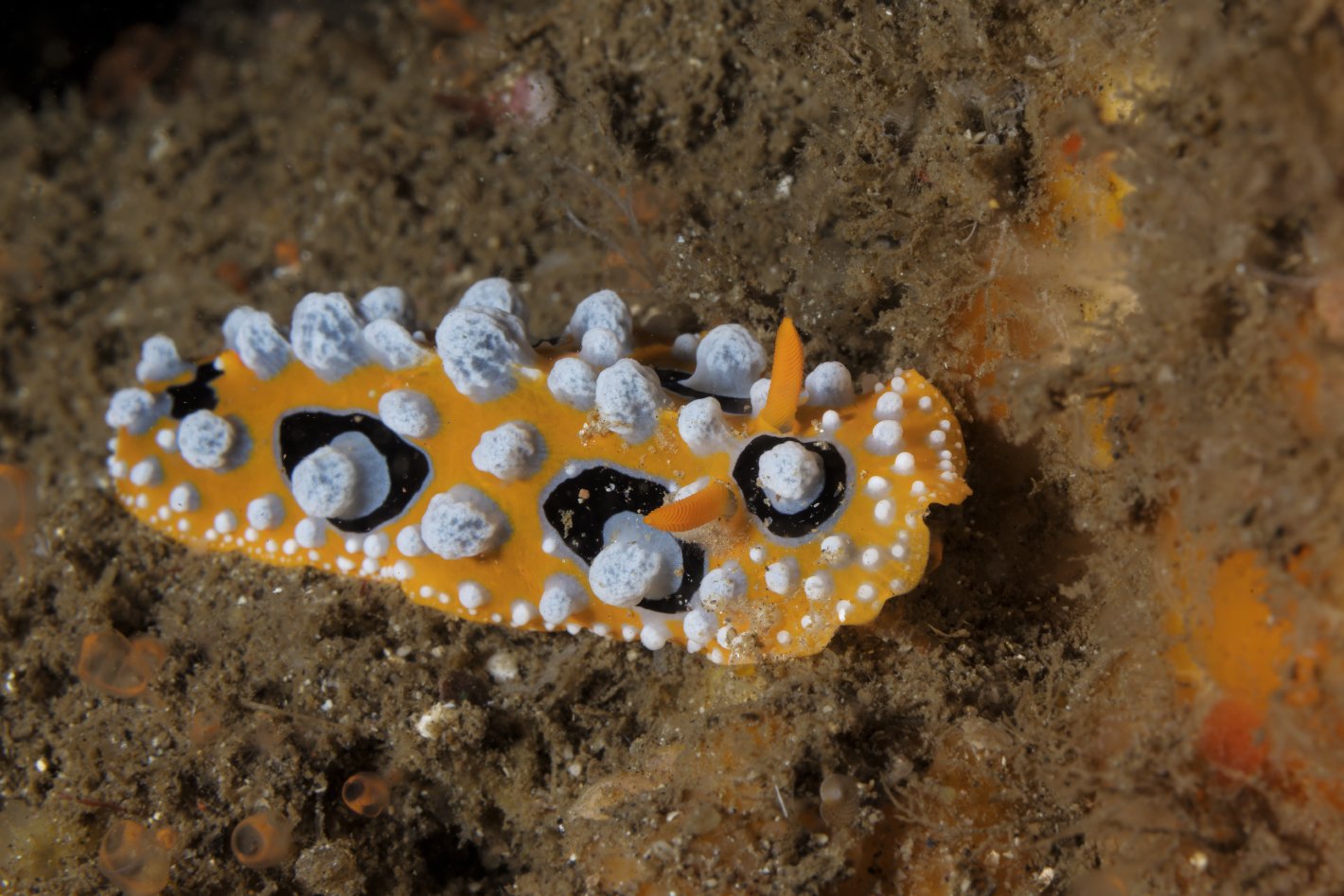
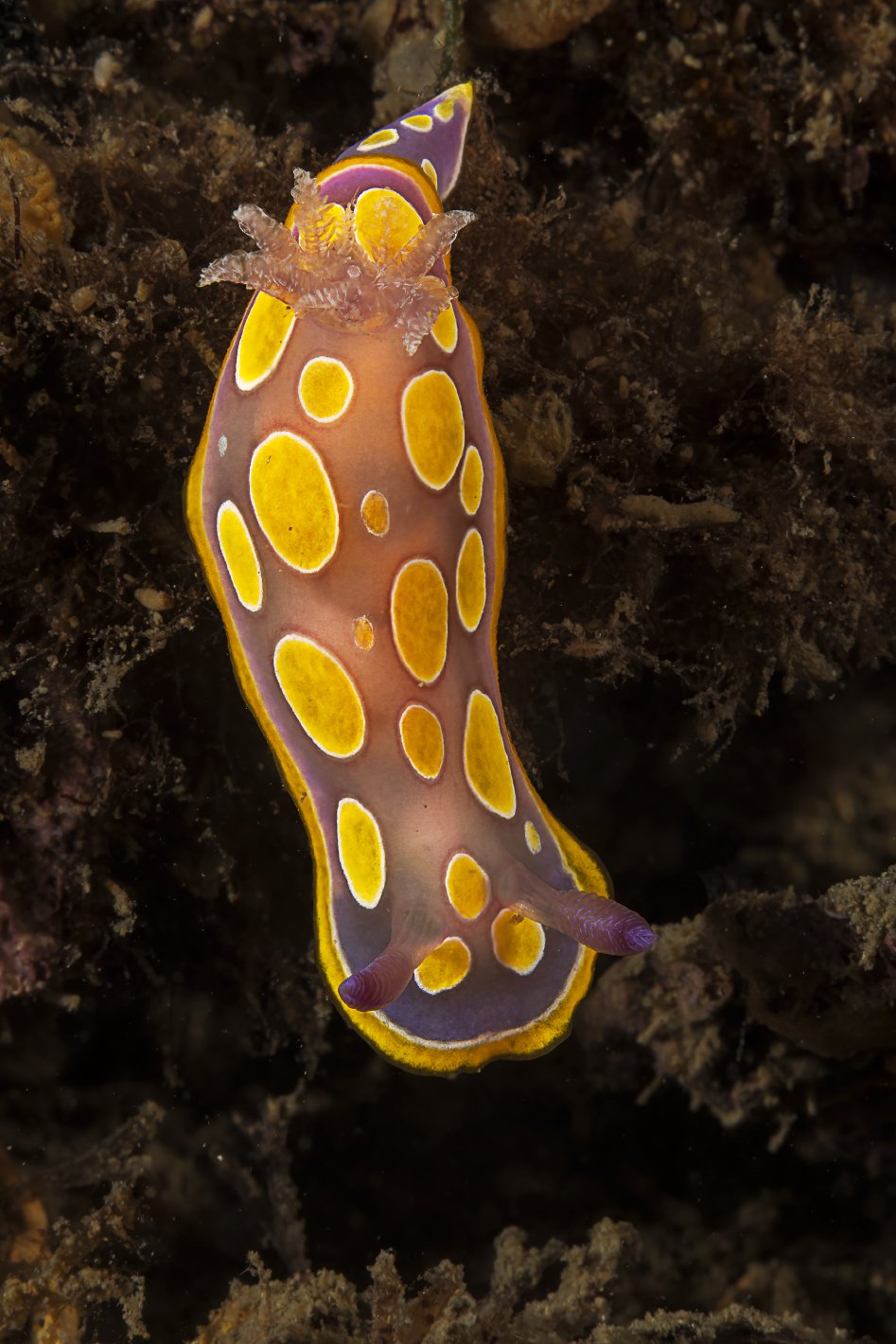
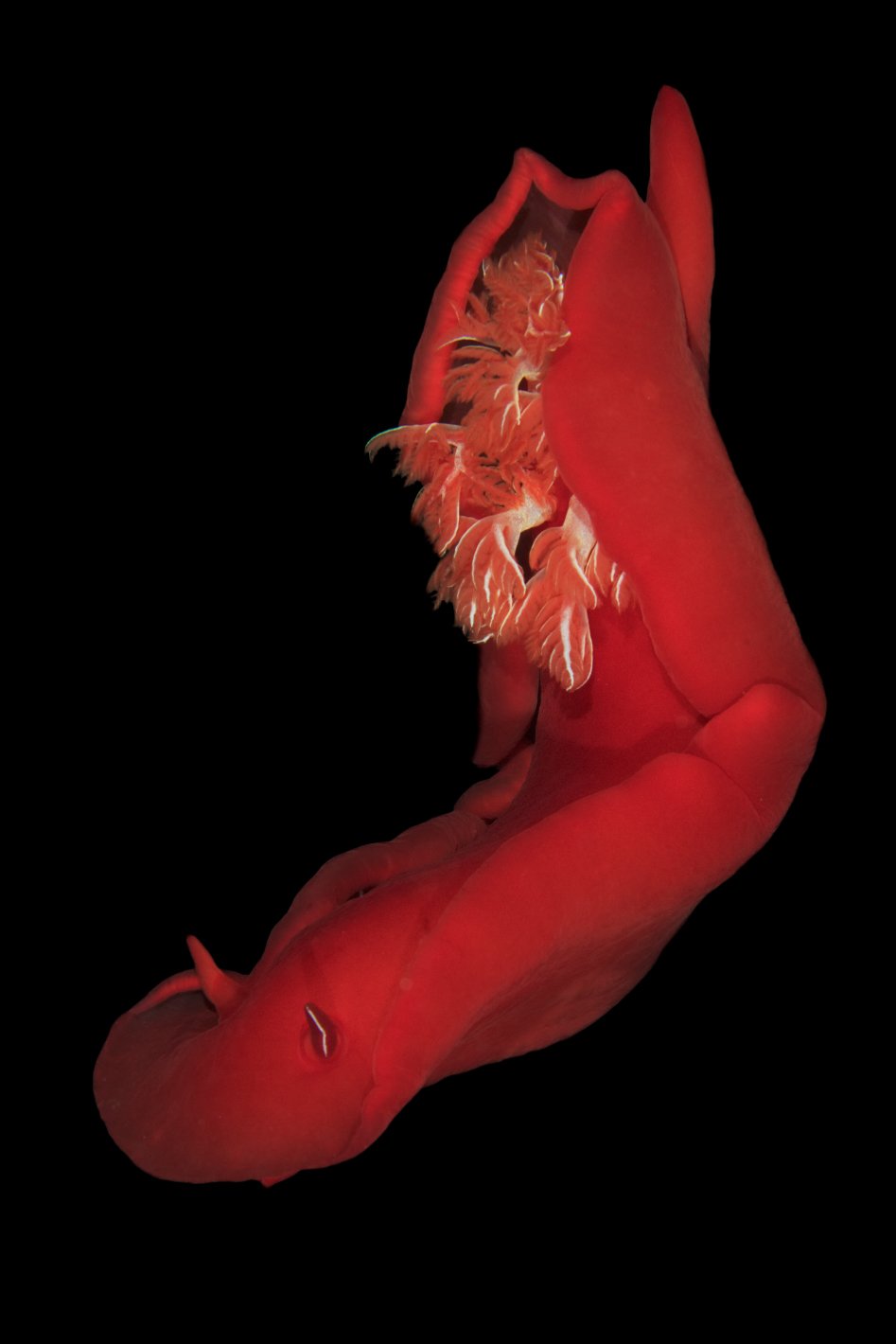
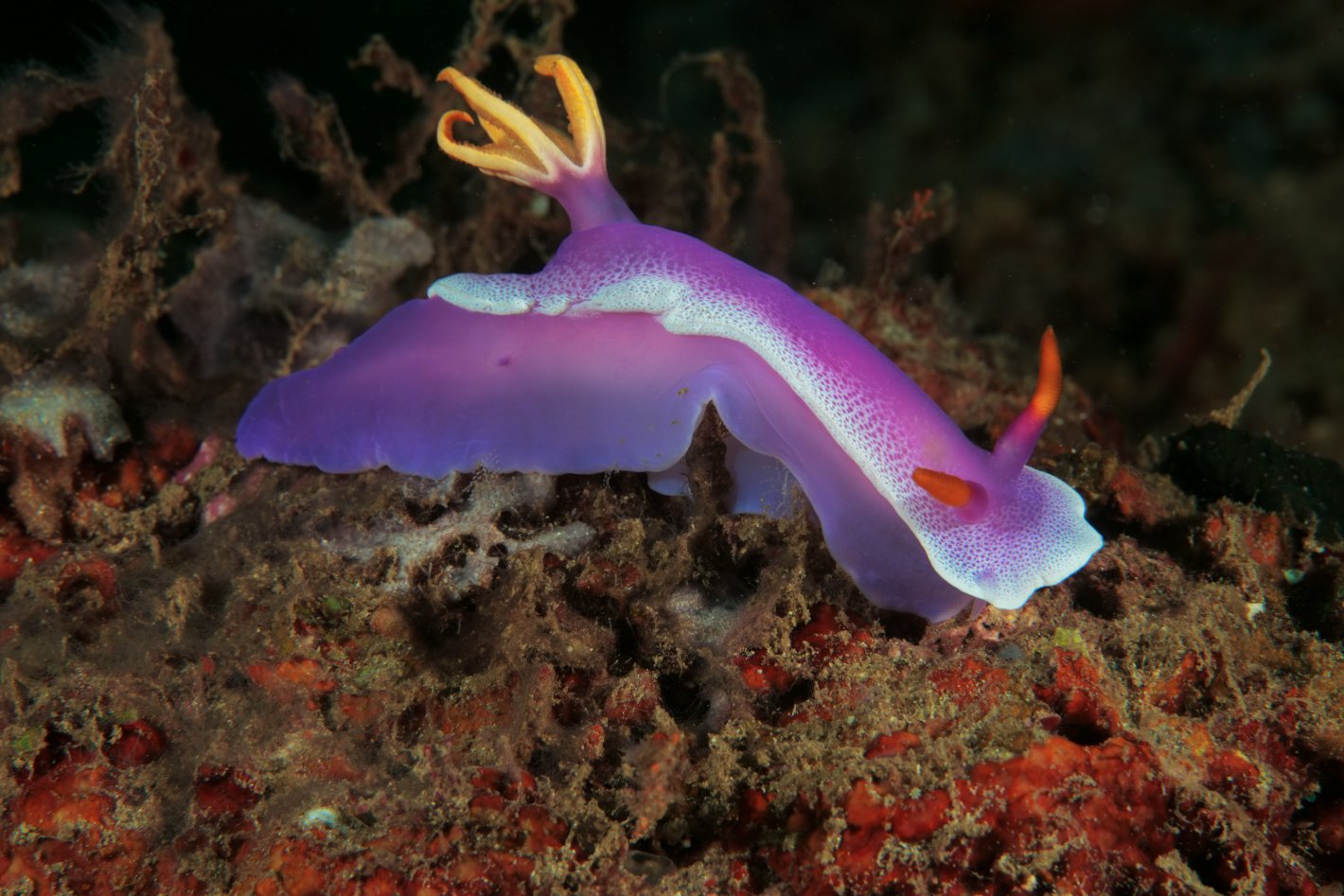
For many divers, it is the ultimate macro photography subject. For marine biologists, it is one of evolution's most extraordinary success stories. Tiny, fragile, and astonishingly colorful, nudibranchs look as though they were imagined by an artist rather than shaped by nature. Yet they are among the most remarkable animals in the ocean, capable of turning the toxins of their prey into powerful defenses, breathing through elegant feathery gills, and displaying a palette of colors unmatched beneath the waves.

A Short but Extraordinary Life

Most nudibranchs live for less than a year.

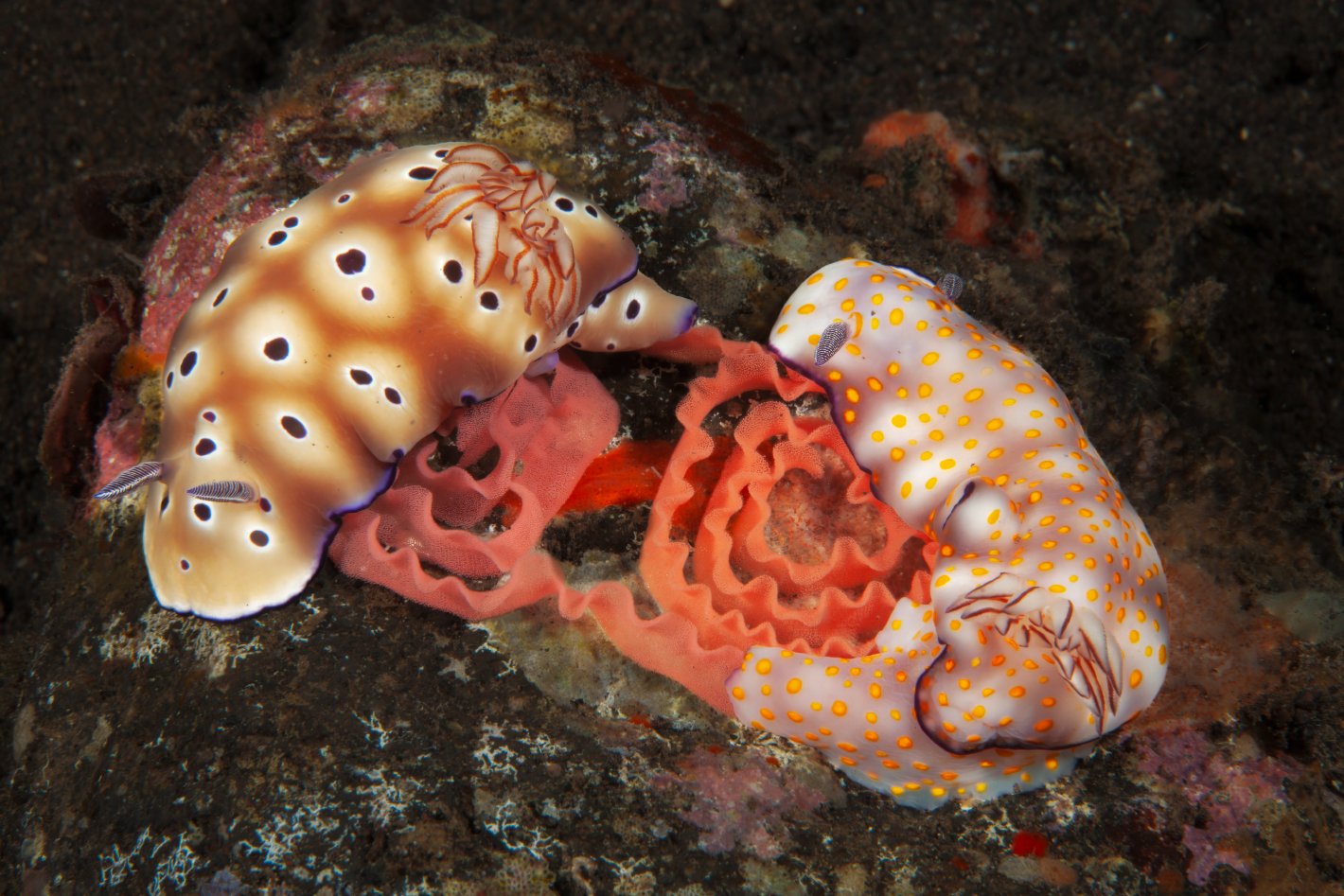
They are simultaneous hermaphrodites, meaning that every individual possesses both male and female reproductive organs. During mating, two animals exchange sperm and fertilize each other, allowing both partners to produce eggs.

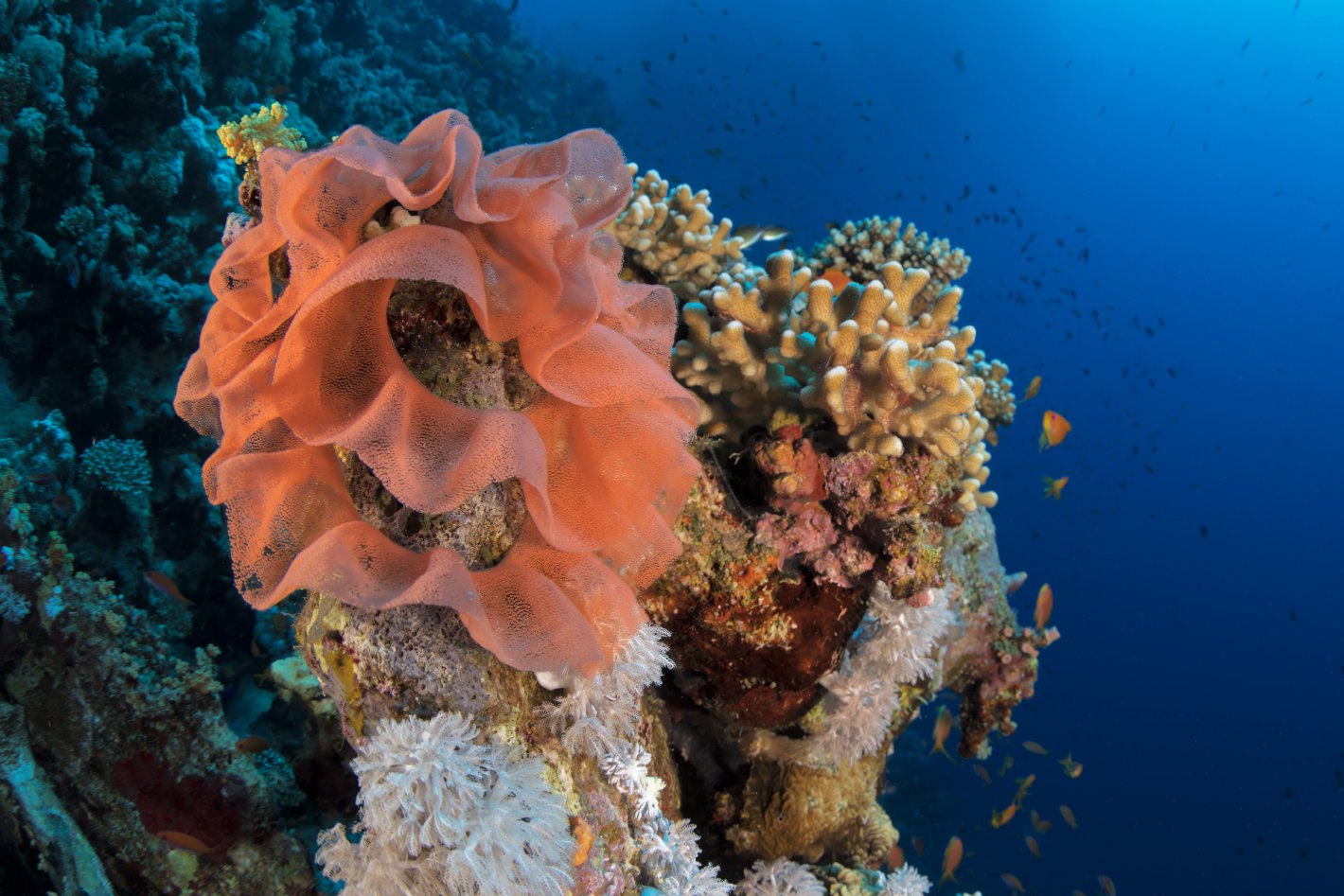
Their eggs are laid in spectacular spiral ribbons or delicate gelatinous rosettes, often every bit as colorful as the adults themselves. From these emerge microscopic planktonic larvae that drift with the ocean currents until they settle in new habitats.

This strategy allows nudibranchs to colonize distant ecosystems and explains their remarkable distribution throughout the world's oceans.

When Color Becomes a Language

On land, brilliant colors are often associated with flowers.

Underwater, they belong to nudibranchs.

Millions of years ago, these sea slugs abandoned the protective shell that characterizes their terrestrial relatives. It was a risky evolutionary step, forcing them to develop entirely new forms of defense.

Nature's solution was nothing short of extraordinary.

Many species evolved the ability to manufacture potent chemical compounds that make them distasteful or toxic to predators. Others adopted an even more sophisticated strategy: stealing the weapons of their prey.

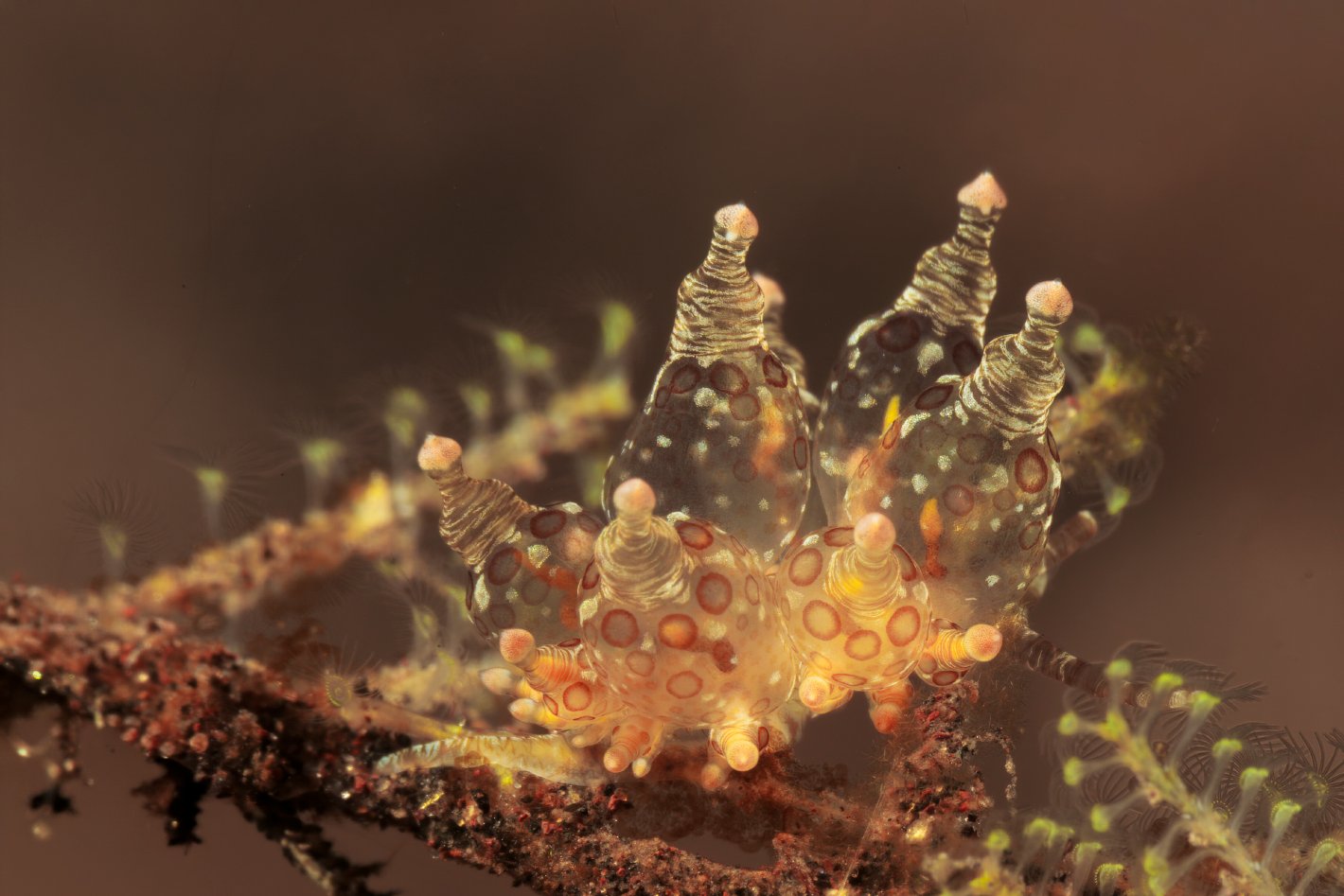
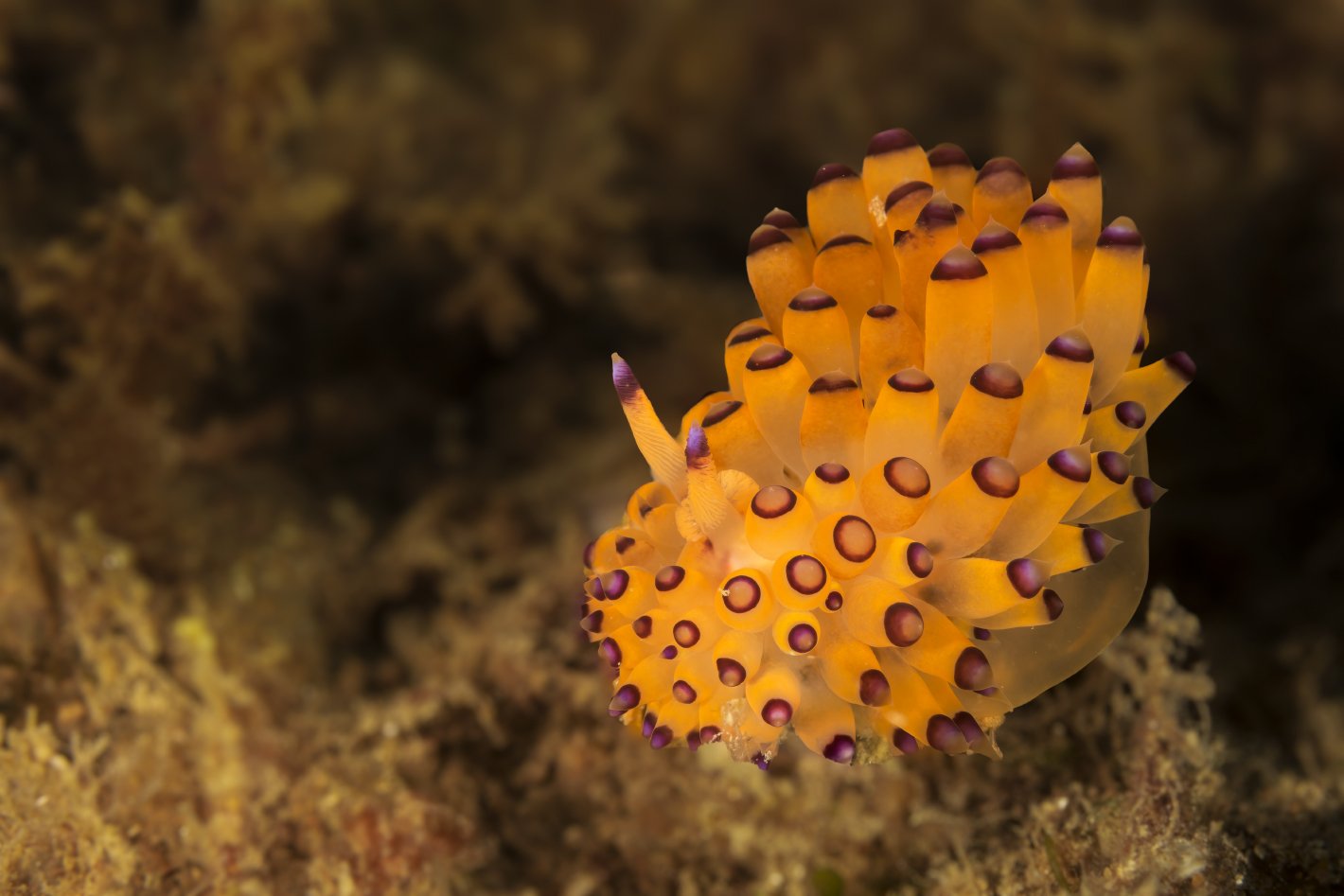
By feeding on sponges, tunicates, bryozoans, and hydroids, certain nudibranchs accumulate toxic compounds within their own tissues without suffering any harmful effects. The aeolid nudibranchs perform an even more astonishing feat. They consume sea anemones, preserve the stinging cells—called nematocysts—without triggering them, and store them at the tips of their cerata, where they become an effective defensive weapon. This remarkable adaptation is known as kleptocnidy.

Imagine an animal capable of stealing the venom of a cobra and using it against its own predators. Although extraordinary, this strategy is not unique in nature. Poison dart frogs provide a comparable example: by feeding on toxic insects, they accumulate alkaloid toxins in their skin, becoming poisonous themselves.

Masterpieces of Evolution

With more than 3,000 described species—and new ones discovered every year—nudibranchs represent one of the most diverse and fascinating groups of marine mollusks. They inhabit virtually every ocean on Earth, from the icy Arctic seas to the coral reefs of Indonesia, from Australia's kelp forests to the rocky shores of the Mediterranean. Some species perfectly mimic the sponges on which they feed. Others resemble delicate flower petals drifting in the current, while still others evoke tiny feathered dragons. Every shape, every color, tells a story written over millions of years of natural selection.

The Invisible Predators of the Reef

Their slow movements can be deceiving. Nudibranchs are highly specialized predators. Their primary feeding tool is the radula, a ribbon-like tongue covered with thousands of microscopic chitinous teeth that scrape food directly from the substrate. Many species are so specialized that they feed exclusively on a single type of prey. This close ecological relationship makes nudibranchs invaluable biological indicators. The presence of a particular species immediately reveals which benthic community is present and often provides insight into the health of the surrounding ecosystem.

For marine scientists, they are among the ocean's most reliable sentinels of biodiversity.

A Treasure for Modern Medicine

Behind their apparent fragility lies an extraordinary chemistry. The compounds produced—or accumulated—by nudibranchs are currently being investigated for their antibacterial, antiviral, anti-inflammatory, and anticancer properties. Several molecules isolated from these tiny sea slugs have already opened promising new avenues in biomedical research. Once again, the ocean reminds us that biodiversity is far more than natural heritage; it is an invaluable scientific resource with enormous potential for human health.

The Encounter

Every underwater photographer remembers their first nudibranch. It does not appear suddenly like a shark. It does not glide past with the effortless grace of a manta ray.

It is already there. Still. Silent. Waiting for someone willing to notice.

From that moment, the entire dive changes pace. Wide-angle photography gives way to macro. Every movement becomes slower, every fin kick more deliberate. The photographer inches closer, adjusts the strobes, focuses carefully on the rhinophores, and waits patiently for the cerata to align gracefully with the current.

Paradise for Macro Photography

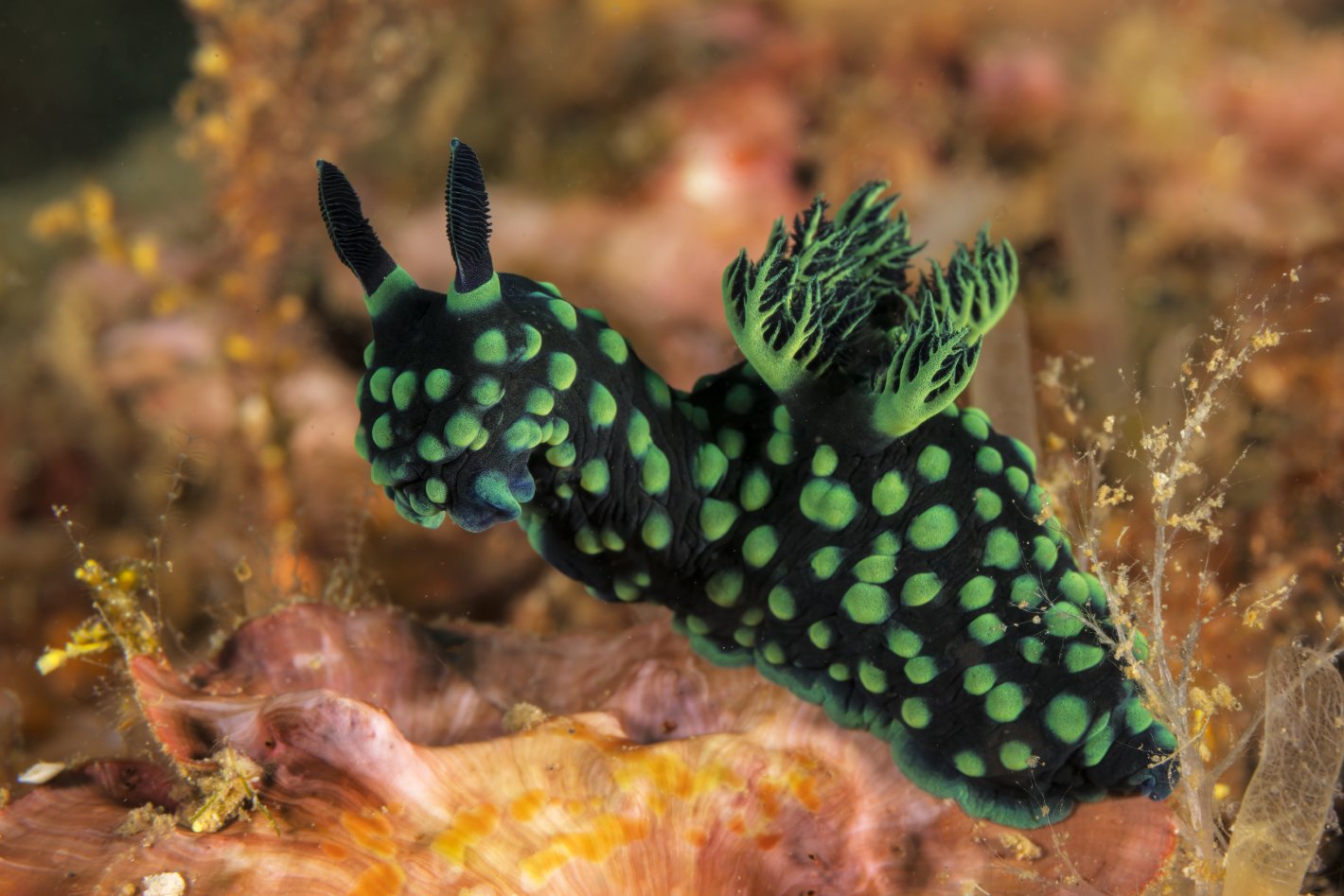
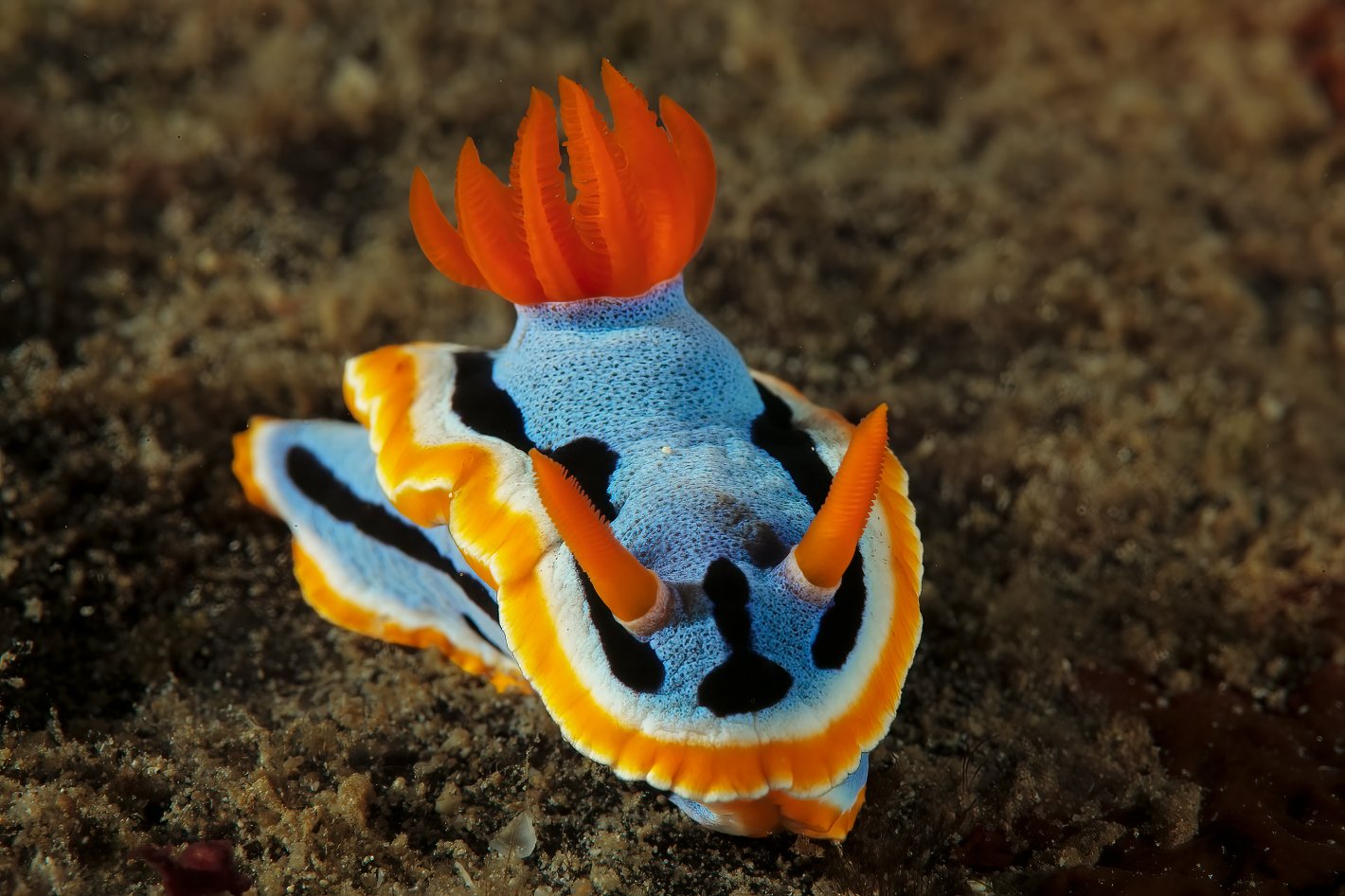
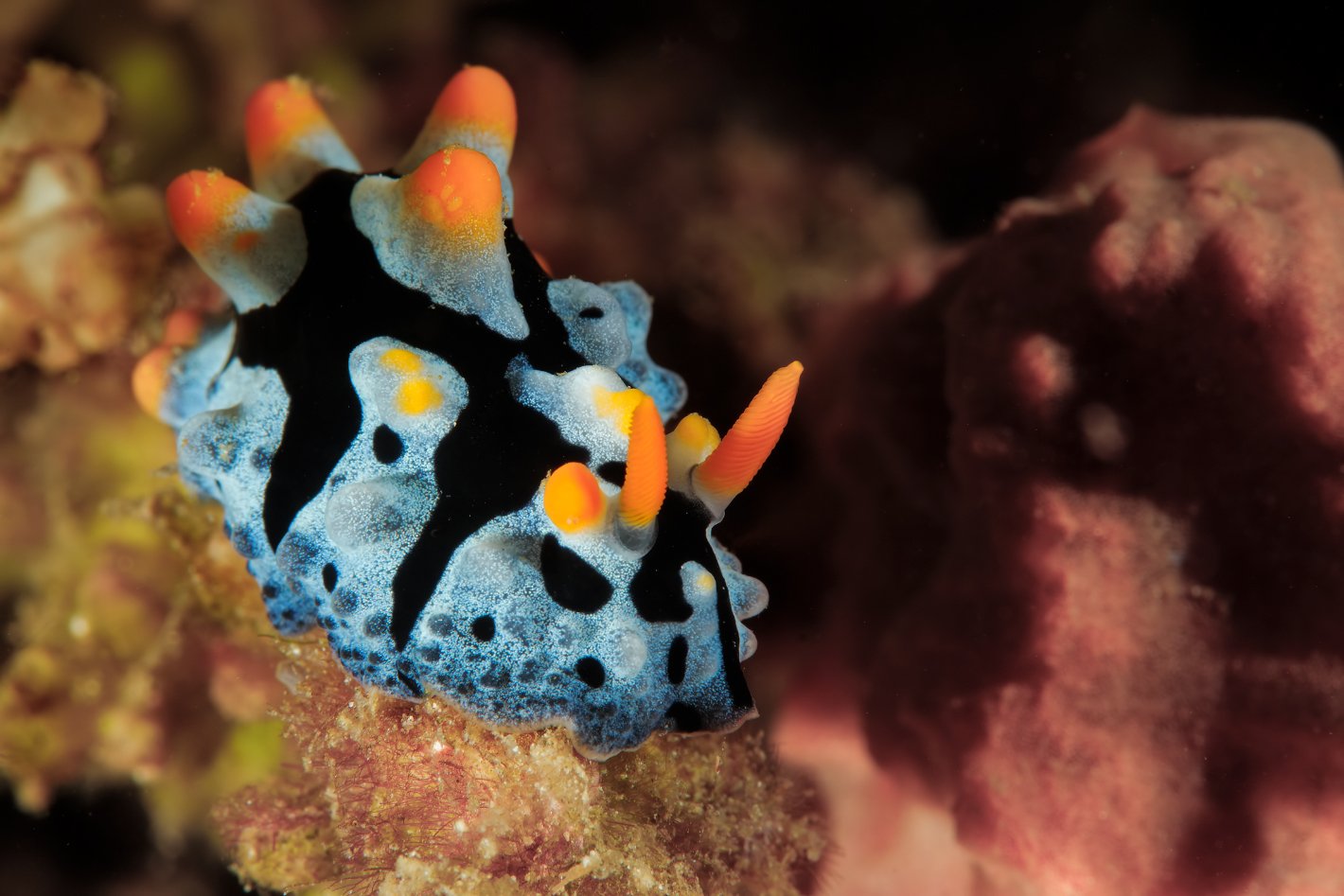
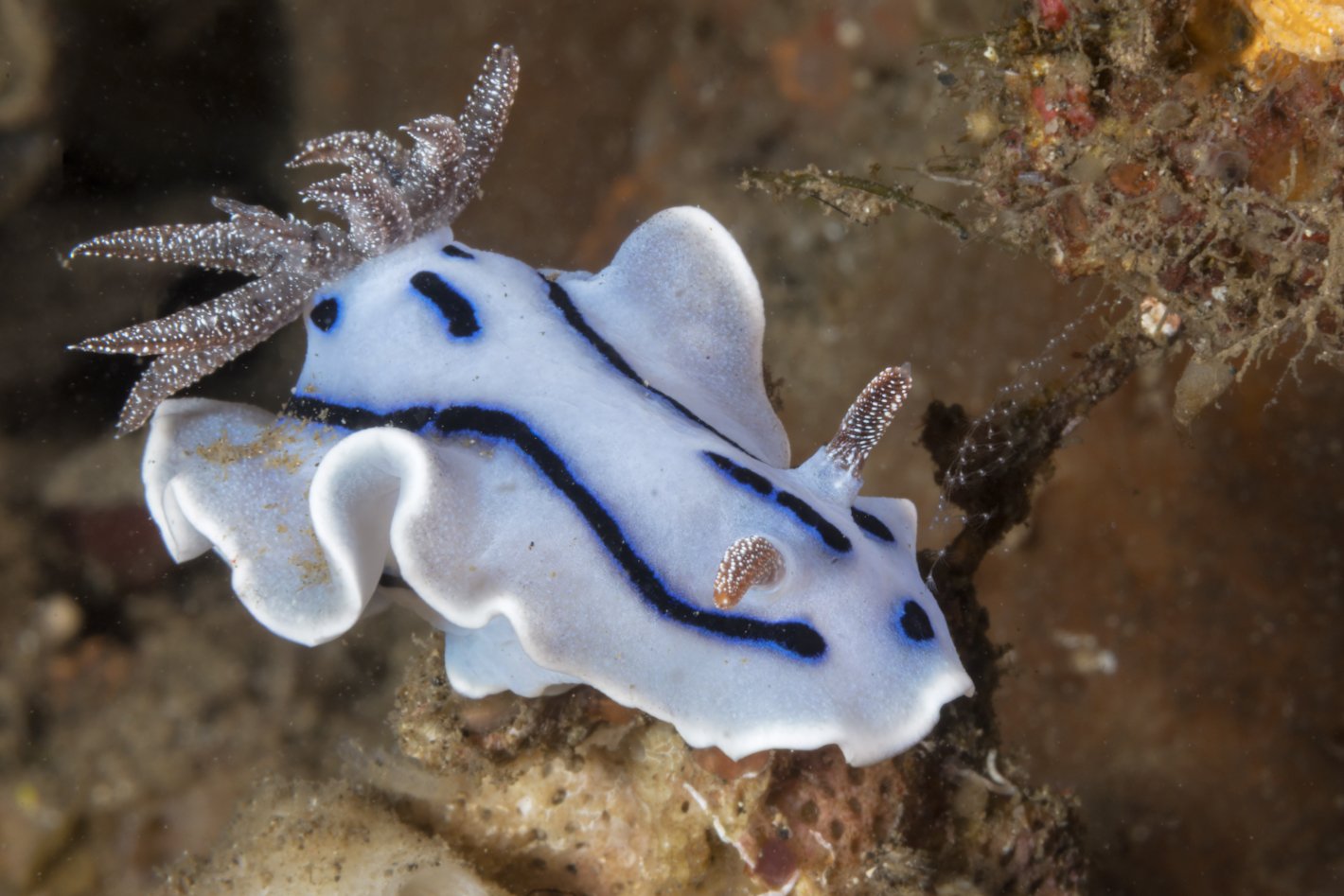
Anyone who photographs nudibranchs quickly realizes that no two subjects are ever the same. Every species possesses its own distinctive anatomy. Their rhinophores may be smooth, lamellate, or feather-like. Their gills can form circular plumes, branching structures, or elegant fans. Their cerata reflect light differently depending on the angle of illumination. This astonishing diversity makes every encounter unique. Capturing exceptional images requires patience above all else, along with perfect buoyancy control and absolute respect for the animal.

Never move the subject. Never remove the substrate. Never compromise the animal's welfare for the sake of a photograph. The finest images are almost always those that allow the nudibranch to remain exactly where nature intended.

Where to Find Them

The world's finest destinations for observing and photographing nudibranchs coincide with the planet's richest marine biodiversity hotspots.

Indonesia tops the list, particularly Lembeh Strait, Raja Ampat, Ambon, and Bali, widely regarded as the world's capital of underwater macro photography.

The Philippines, especially Anilao, Dauin, and Puerto Galera, offer an astonishing concentration of species.

In Malaysia, Sipadan and nearby Mabul combine spectacular macro opportunities with encounters with large pelagic animals.

Japan also deserves a place among the world's premier destinations. Hachijō-jima and the Izu Peninsula are home to several endemic species highly prized by underwater photographers.

Even the Mediterranean Sea shelters remarkable species, including Flabellina affinis, Cratena peregrina, Felimare picta, and Peltodoris atromaculata, many of which can be observed throughout much of the year.

An Uncertain Future

Nudibranchs are among the marine organisms most sensitive to environmental change. Rising ocean temperatures, acidification, and the degradation of coastal habitats are already altering the distribution of many species. Some are expanding into new regions. Others are disappearing from areas where they were once common. Monitoring these tiny animals provides scientists with an almost real-time picture of how our oceans are changing.
Beyond Photography

There comes a moment during every nudibranch dive when the camera ceases to be the center of attention. It happens when you realize that in front of your lens is far more than a brilliantly colored sea slug. You are looking at the product of millions of years of evolution. An organism that transformed poison into protection, vulnerability into strategy, and slowness into perfection. Nudibranchs remind us that nature's greatest wonders are not measured by size. Many are less than a centimeter long, yet each carries one of the most extraordinary evolutionary stories on Earth.

Tasto destro disabilitato. Immagini coperte da Copyright