The alarm goes off while the world is still wrapped in darkness. Outside, the morning air is cool and perfectly still. Yet anyone who knows the lagoons understands that this is the moment when nature is preparing to raise the curtain.Walking slowly along a dew-soaked path, camera in hand but not yet in use, you enter a place where time seems to move differently. There are no sudden sounds—only the gentle breathing of the water, the whisper of reeds bending in the breeze, and the first calls of birds welcoming a new day.
A lagoon exists between worlds. It is neither entirely land nor entirely sea, but a fragile boundary where life has evolved into one of its richest and most remarkable forms. Every corner hides movement, every reflection has the potential to become an image, and every patient wait can lead to an unforgettable encounter.
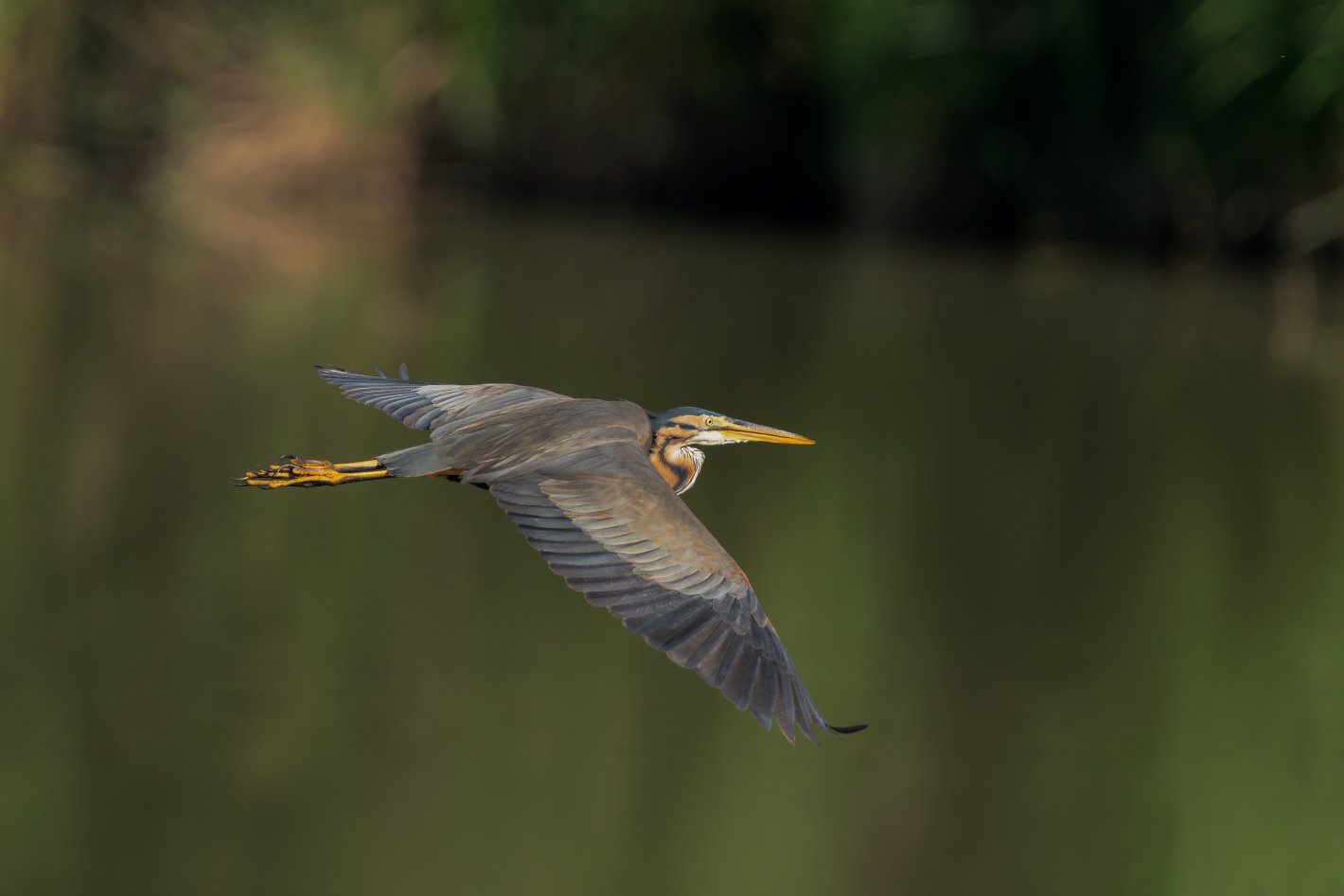
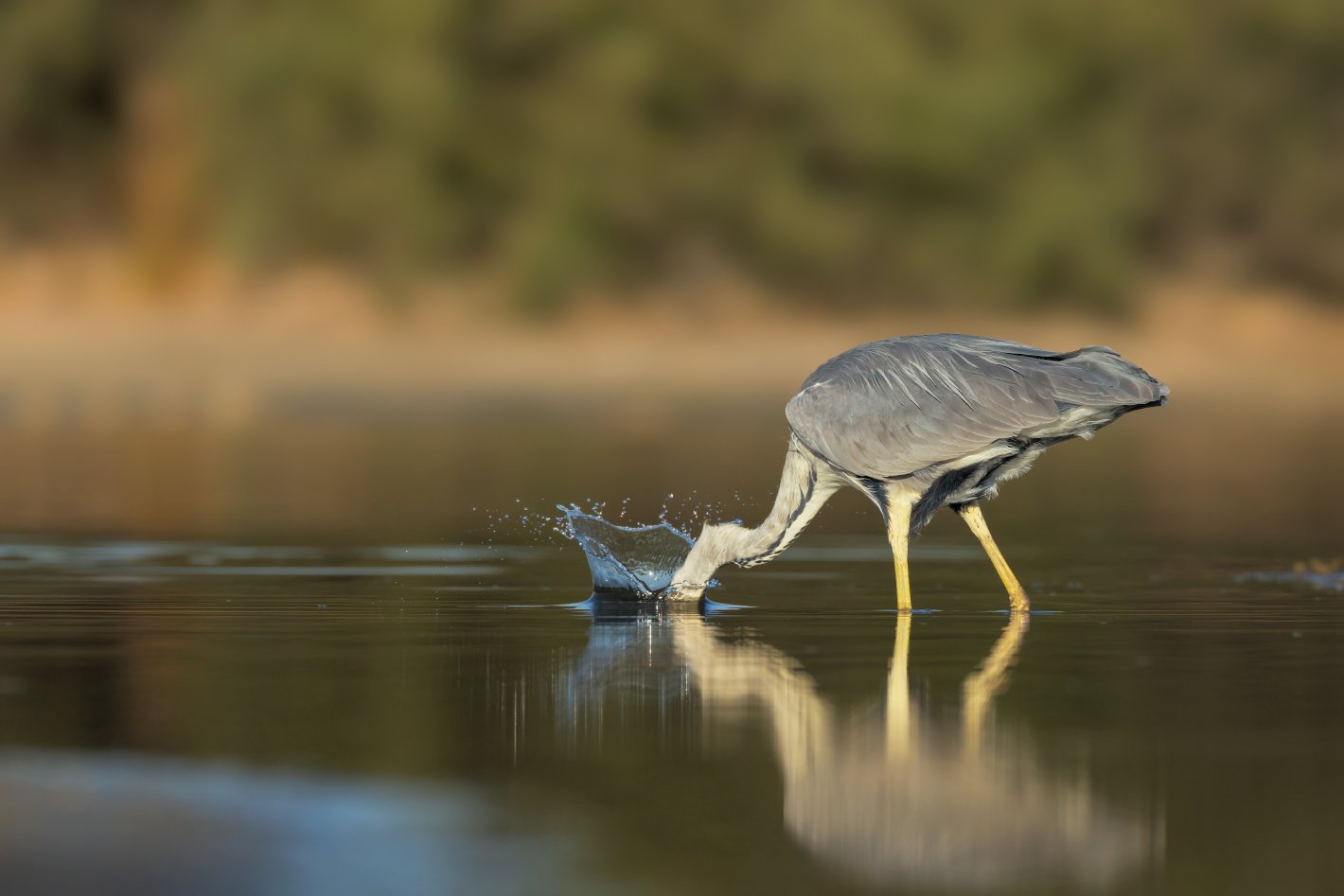
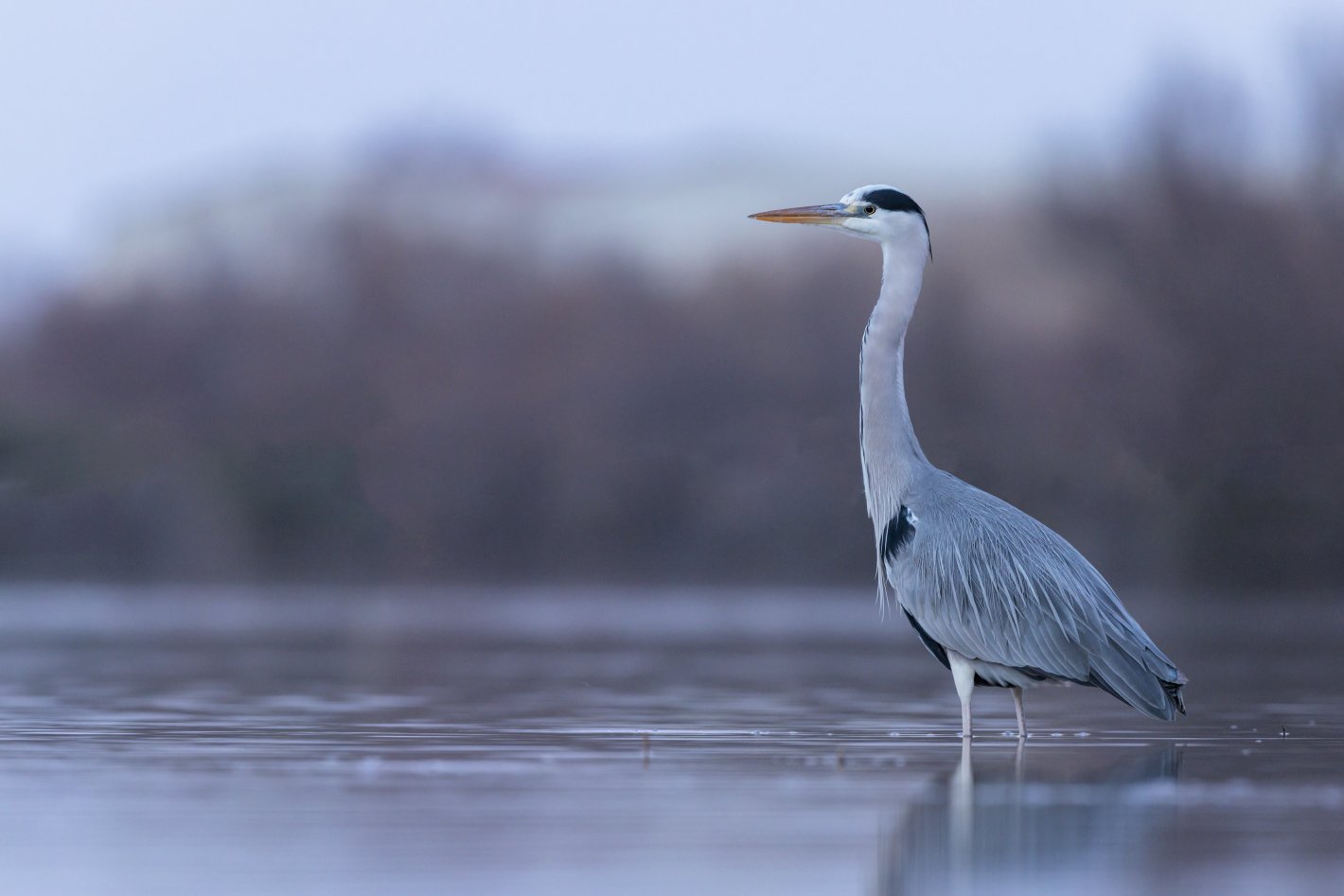
As the first golden light spreads across the water, the day's first protagonist appears: a heron. Standing motionless along the shoreline, elegant and solitary, it gazes into the shallows with quiet purpose. It seems to exist beyond the rush of time, perfectly attuned to the rhythm of the lagoon. The photographer watches, holds their breath, and waits. This is more than taking a photograph—it is a silent conversation between two living beings.
Then, without warning, everything changes.
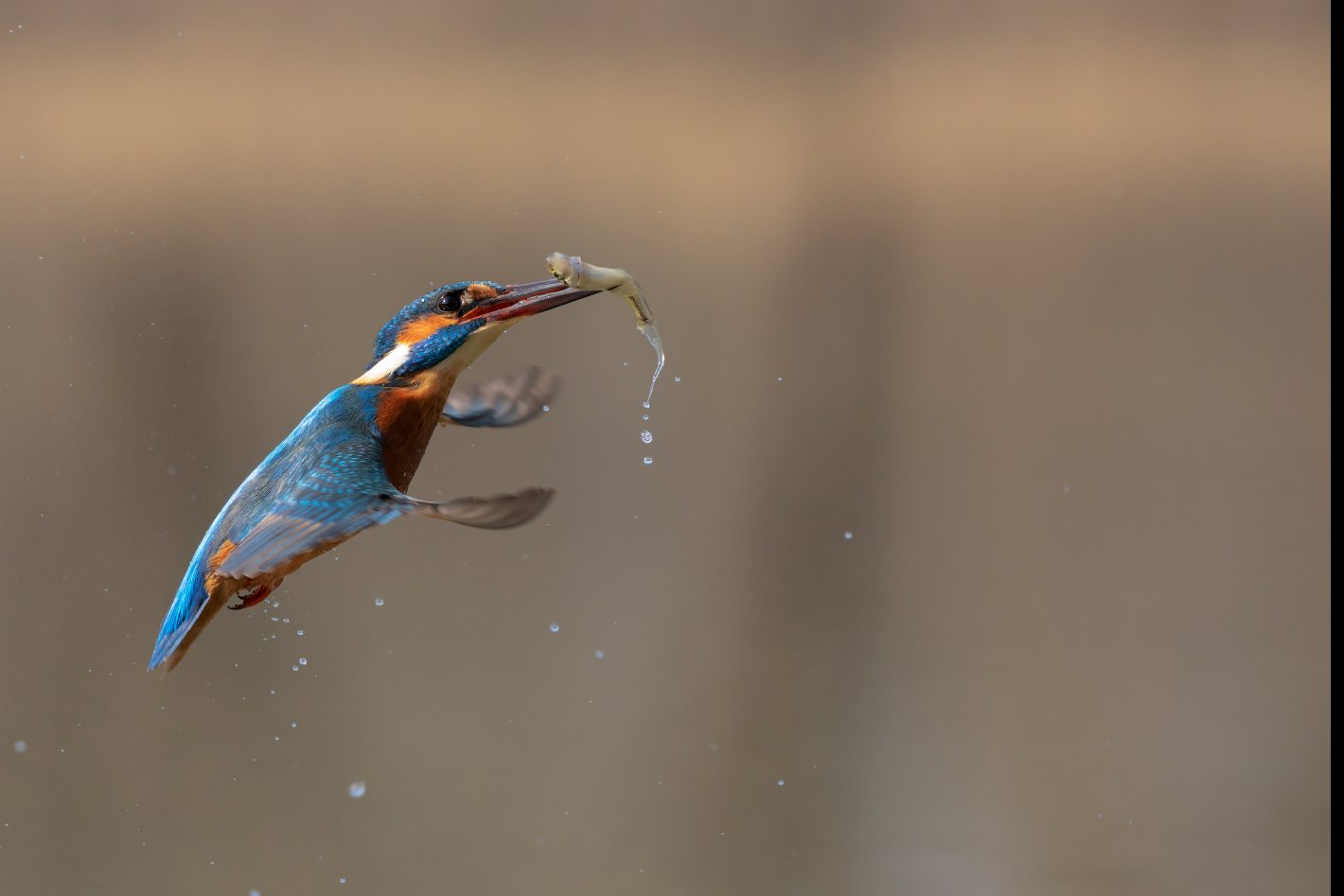
The heron strikes. The mirror-like reflection shatters. For a fleeting instant, the stillness gives way to explosive movement—a flash of wings, droplets suspended in the air, a glance frozen forever. These are the moments that reveal the true magic of wildlife photography: preserving a fraction of a second that will never exist again.
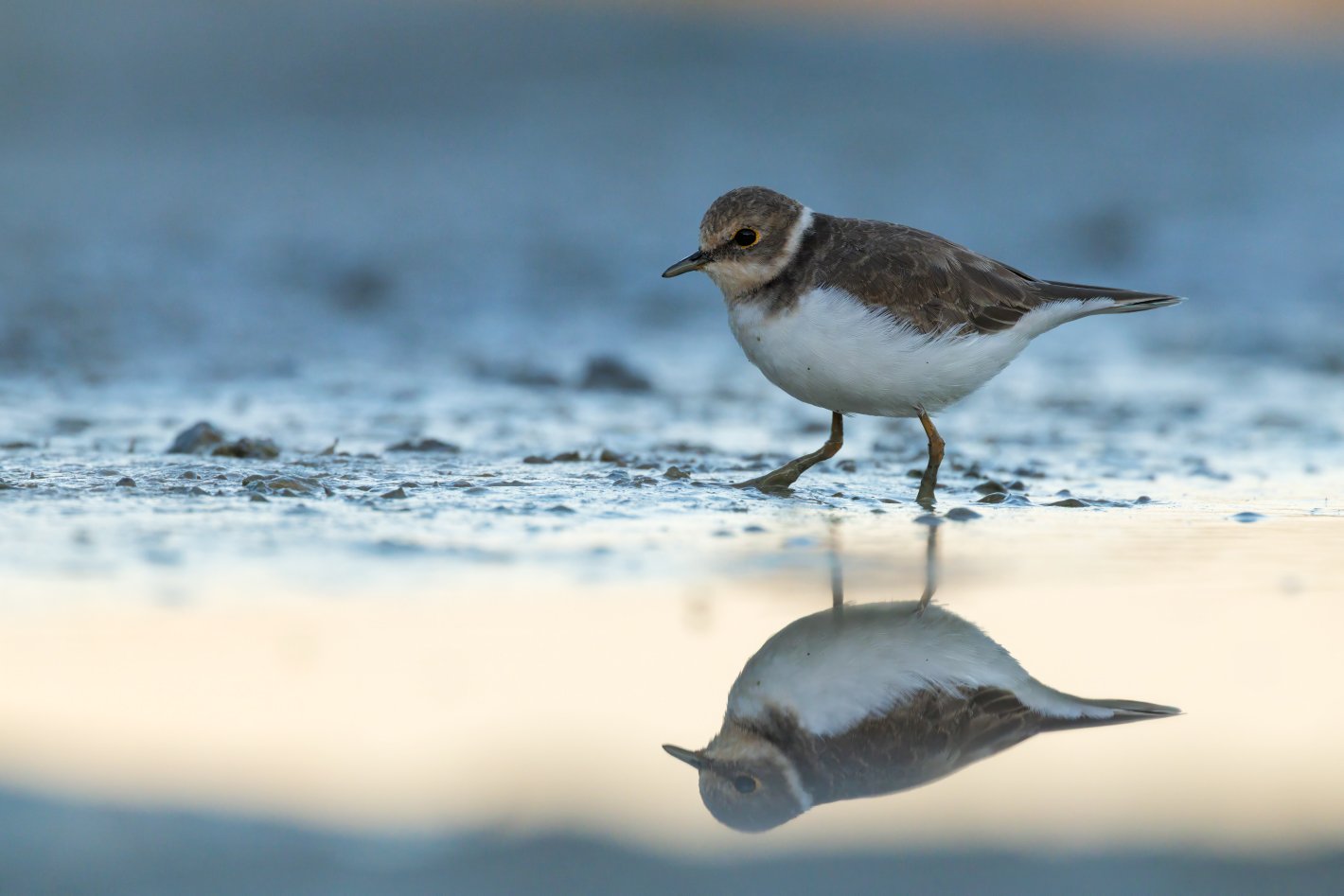
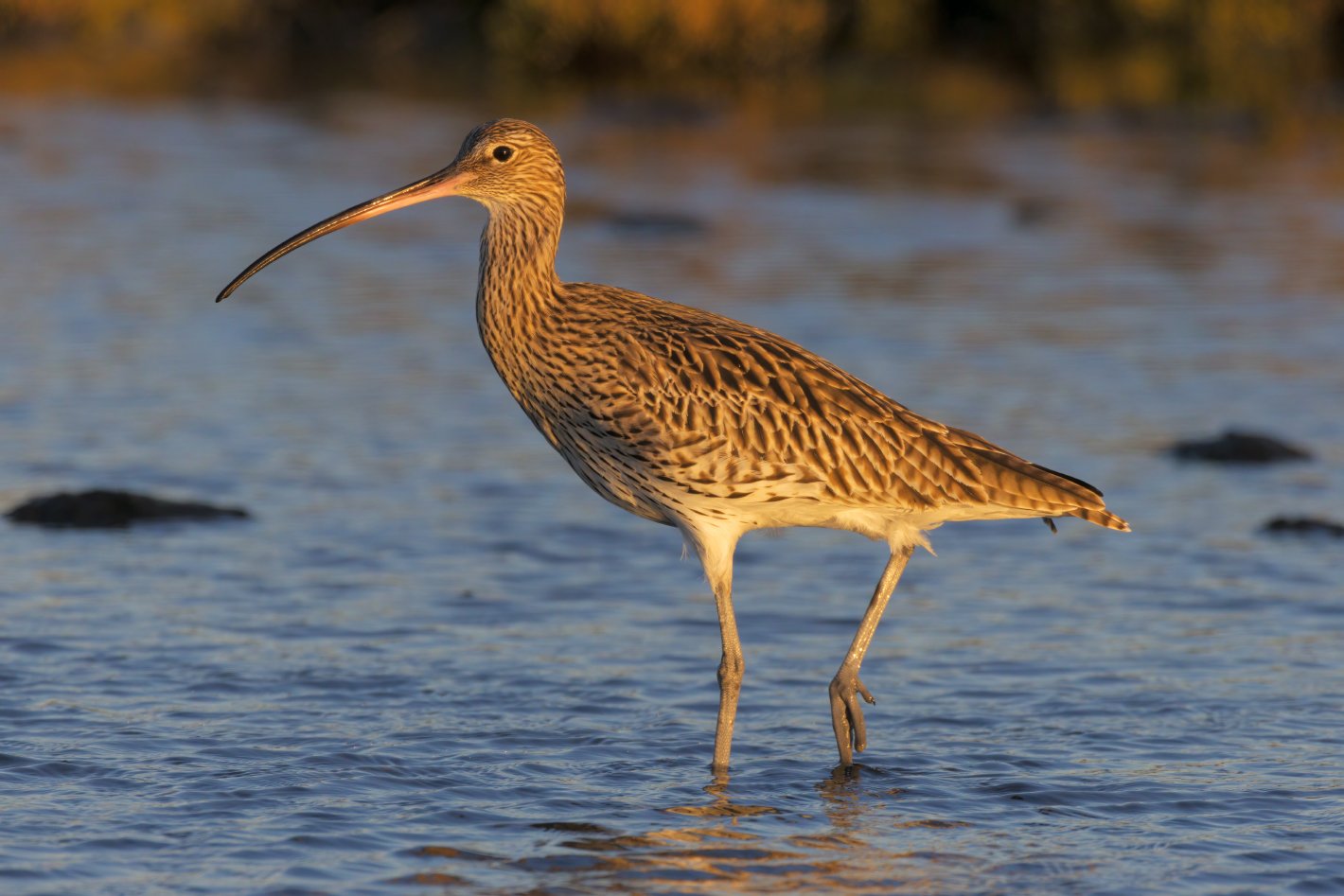
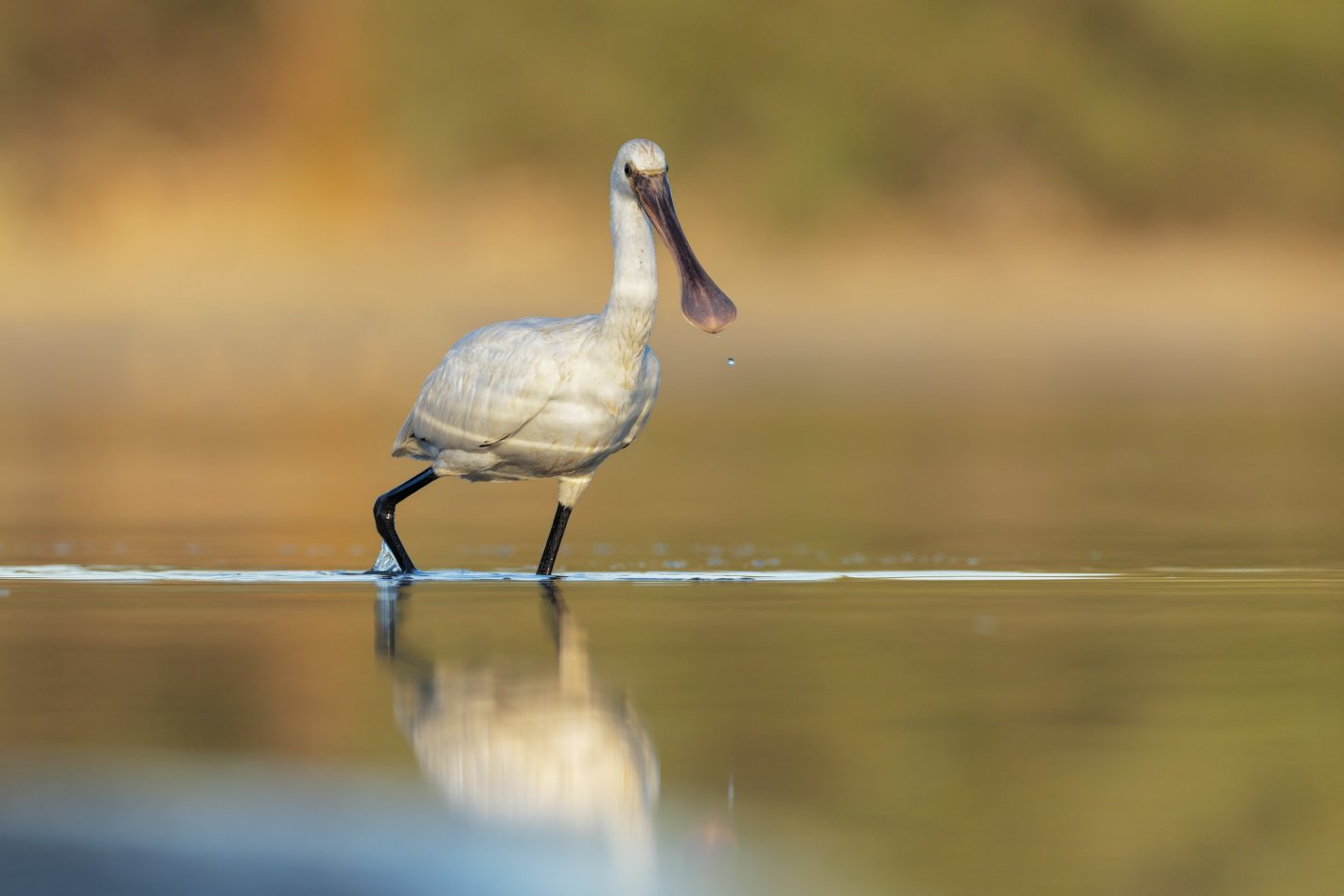
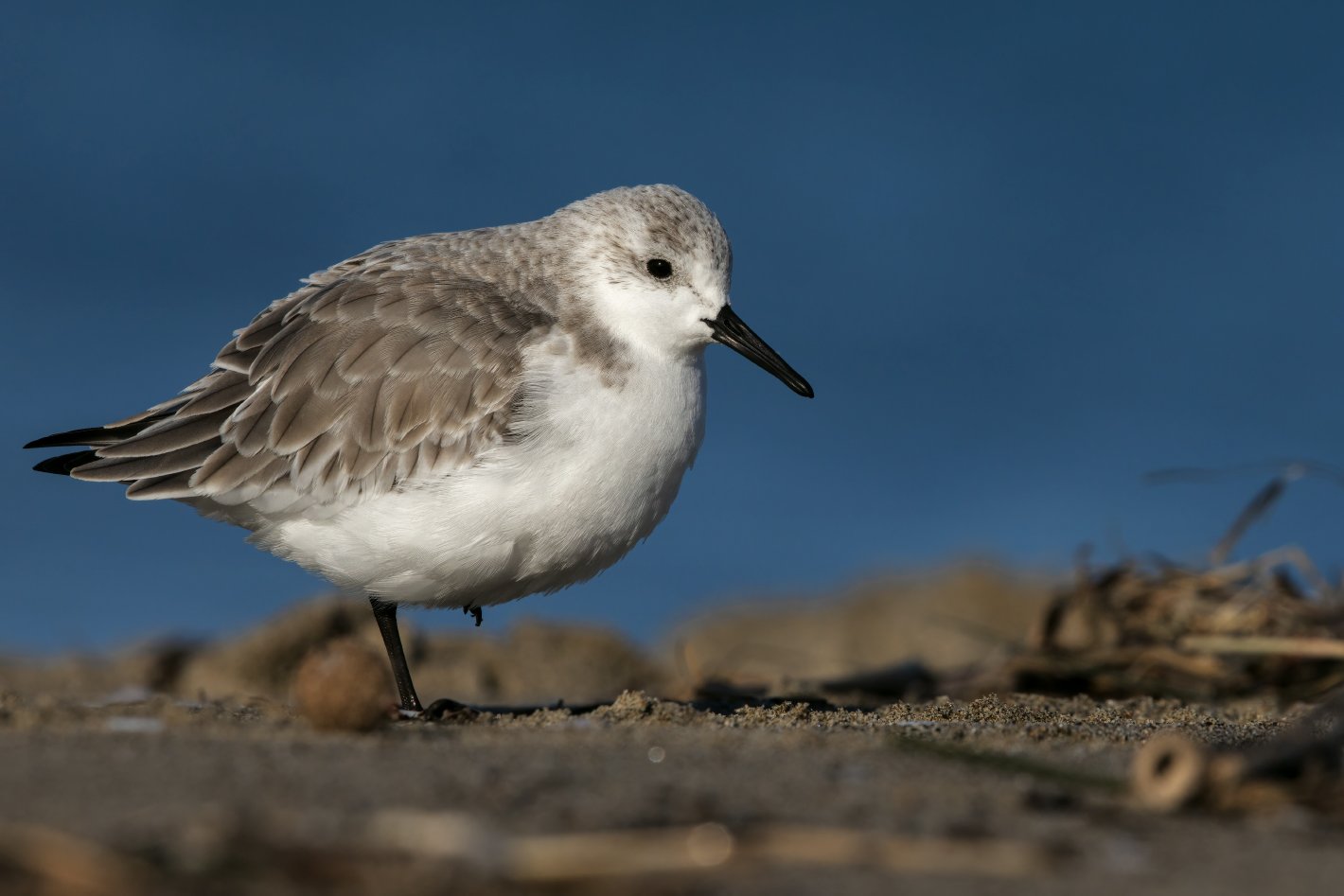
Farther along, where shallow water meets soft mud shaped by the tides, the lagoon comes alive with tireless travellers. Wading birds move constantly along the shoreline in search of food, running, stopping, probing, then running again, following an ancient rhythm written by nature itself.
Nearby, elegant Black-winged Stilts glide effortlessly through the shallows, their impossibly long crimson legs barely disturbing the surface as they search for prey with graceful precision.
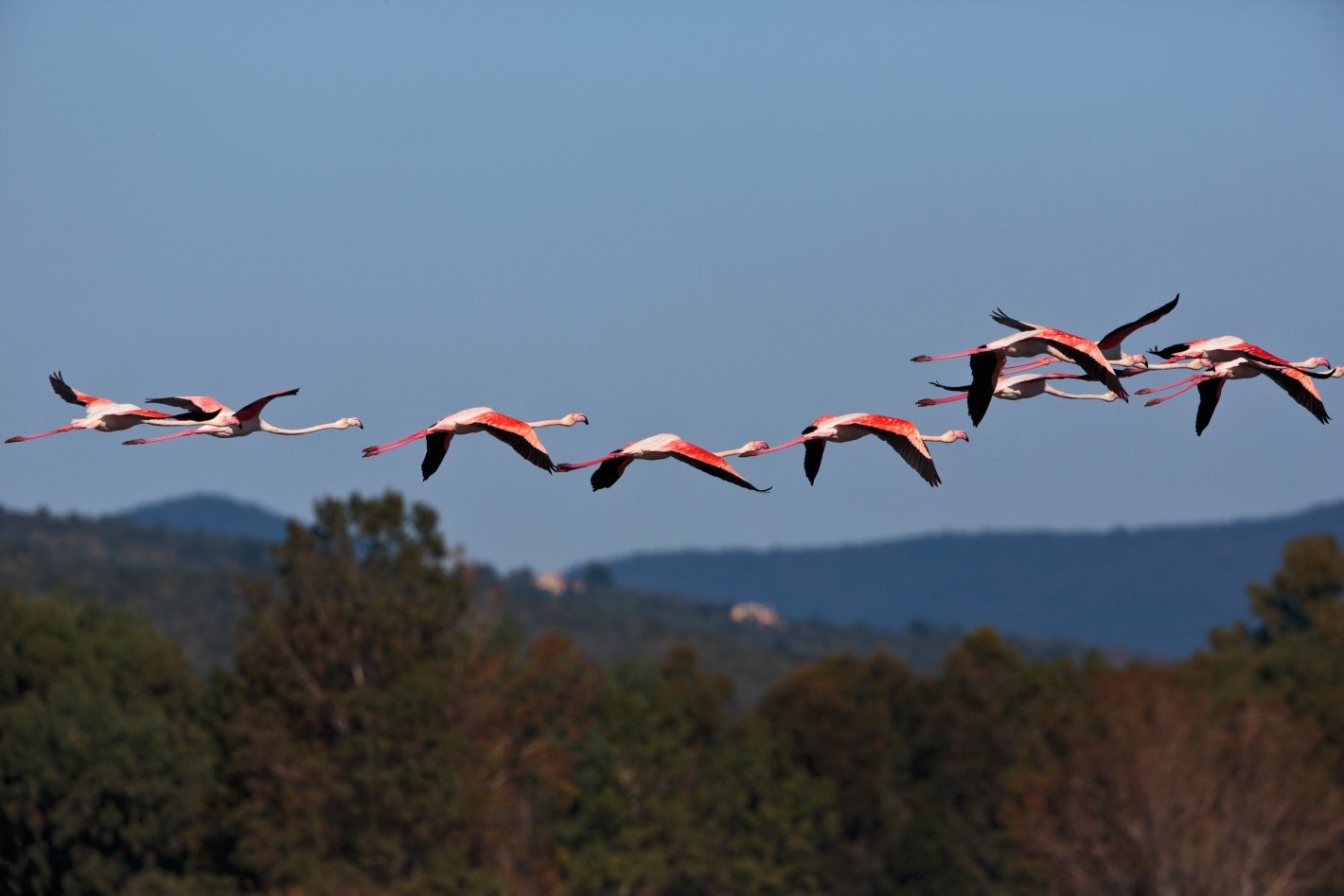
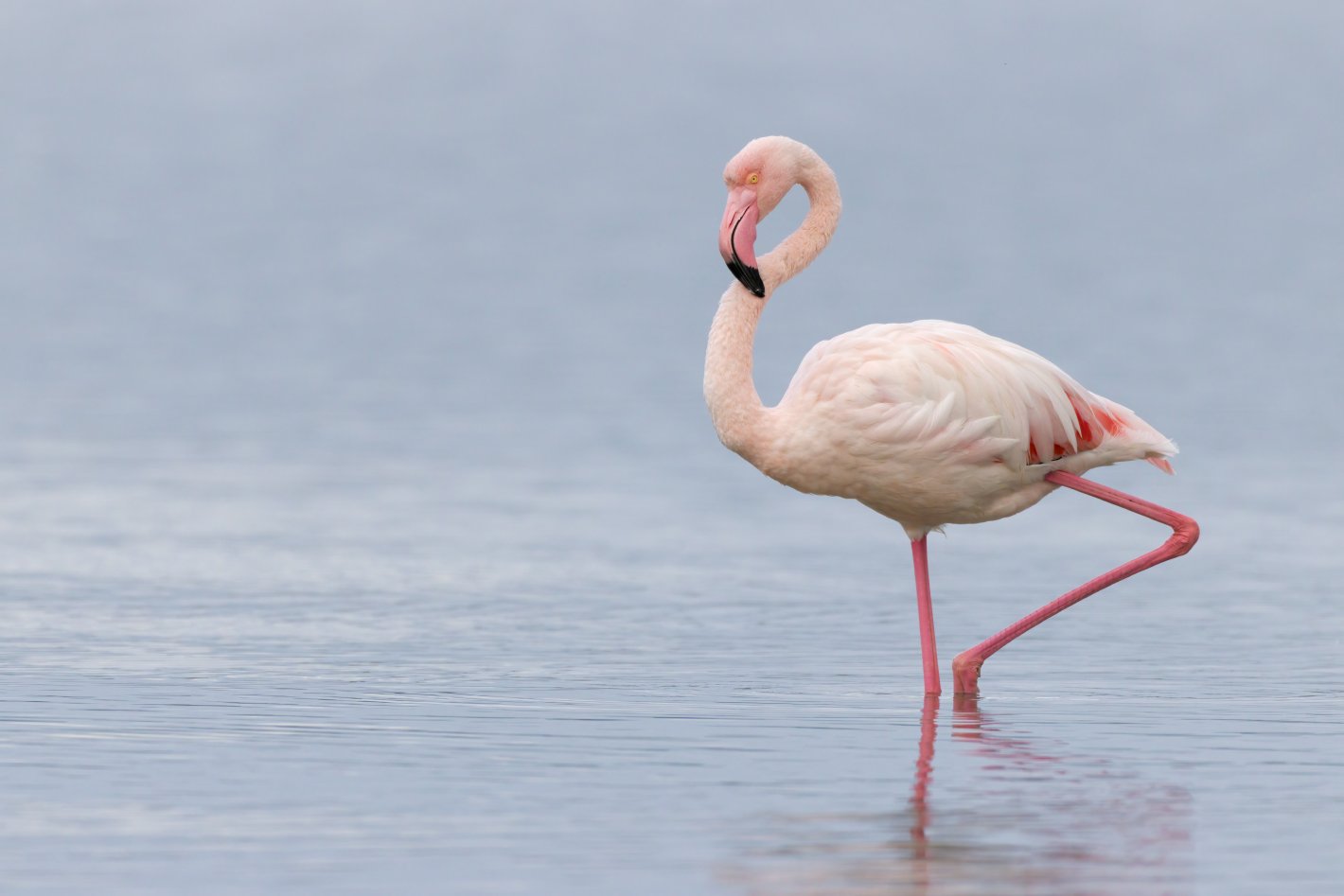
Yet some of the lagoon's greatest spectacles unfold above.When a flock of flamingos suddenly takes flight, the landscape is transformed. Dozens of wings open in perfect unison, their pink plumage glowing in the morning sun, and for a few breathtaking seconds the lagoon seems to belong to another world. Their flight tells a timeless story of freedom, migration and belonging. Guided by invisible routes passed down through generations, they travel extraordinary distances with remarkable certainty.
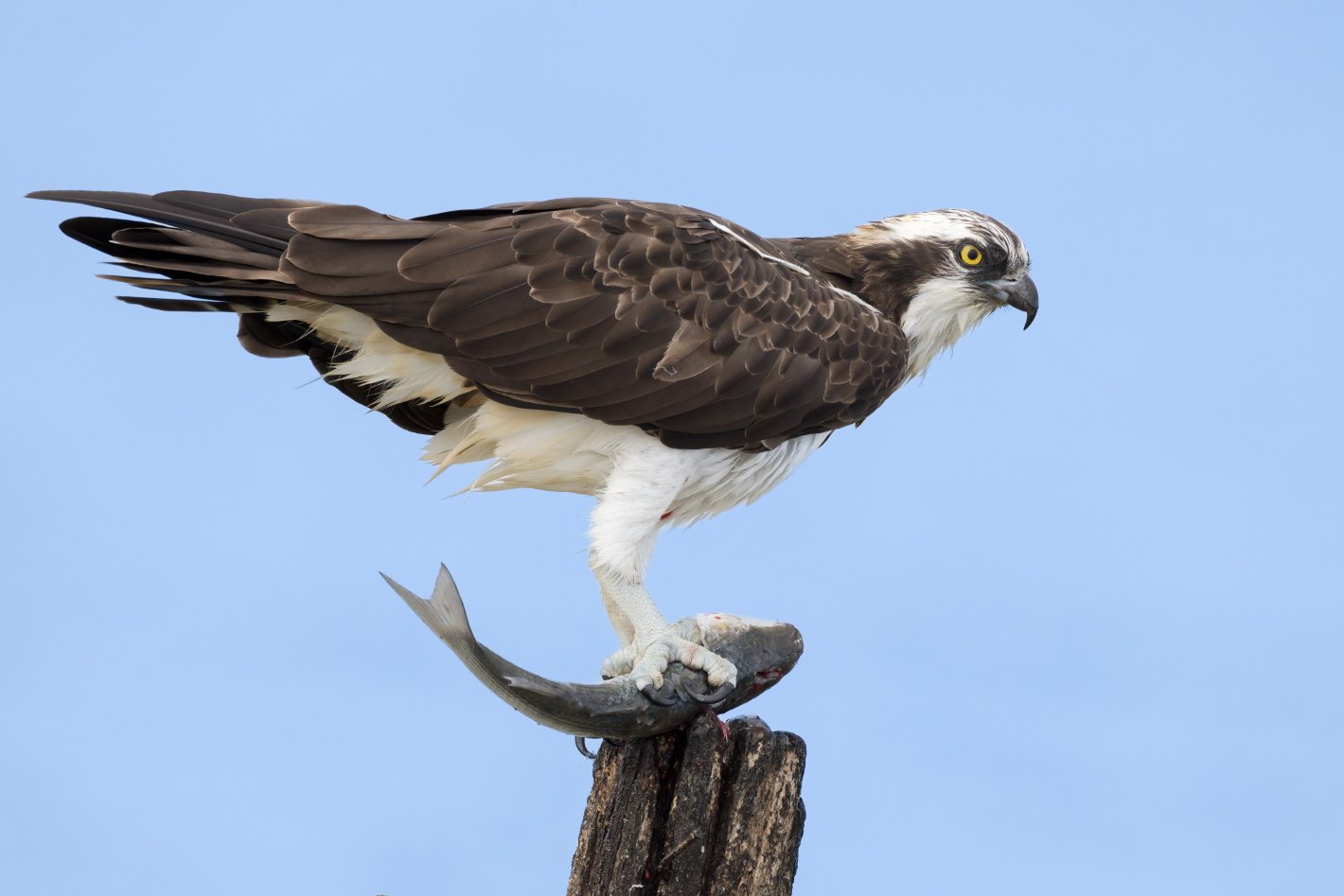
From time to time, an Osprey—now an increasingly familiar sight in many European lagoons—dives into deeper water with astonishing speed before emerging with a fish firmly clutched in its talons, a reminder that these wetlands continue to thrive as living ecosystems.Among the reeds, however, nature reveals a quieter face.Here, survival depends on remaining unseen. The slightest movement between the stems may betray the presence of a Water Rail, a Spotted Crake, or—if fortune is truly on your side—the elusive Little Crake. The sudden song of a Great Reed Warbler can reveal a hidden world only a few metres away. These are encounters that cannot be rushed. They belong only to those willing to wait.
For the wildlife photographer, the lagoon is an endless teacher.Technical skill matters. A professional camera and the right lens can produce an exceptional image. But equipment alone cannot tell a story. That comes from observation.It means learning to wait for the perfect light, understanding the behaviour of each species, and respecting the distance that wildlife needs to feel secure. The finest photographs are rarely made by chasing an animal. They happen when nature chooses to accept your presence.As the hours pass, the lagoon never stops changing. The golden glow of dawn gives way to the bright reflections of midday. The wind reshapes the water's surface. Birds shift their feeding grounds, while new species replace those that greeted the morning. Nothing remains the same, and it is precisely this constant transformation that makes every visit unique.
Lagoons are living archives of the natural world. They preserve the memory of ancient migrations, sustain the delicate balance between land and sea, and provide sanctuary for species that have crossed these skies for thousands of years.
Anyone who has watched a lagoon awaken at sunrise knows that the experience goes far beyond observing birds. It is an invitation into a slower, deeper world—a place where every sound carries meaning and every encounter feels like a gift.
At the end of the day, it is not only the camera's memory card that is filled with images. More importantly, the photographer carries home memories that no photograph can fully contain: those rare moments when, for a brief while, human and nature shared the same silence.